
Plug In Generator To House

Alright, gather ‘round, folks, and let me tell you a tale as old as time, or at least as old as the last major power outage that turned your perfectly functioning modern home into a dark, chilly cave. You know the one. The fridge starts weeping, the Wi-Fi dies a tragic death, and suddenly, you’re eyeing your phone’s battery like it’s the last drop of water in the desert. In those moments of primal darkness, a beacon of hope emerges from the shadows of your mind: the generator.
Ah, the generator! That magnificent beast of combustion, promising warmth, light, and the sweet, sweet hum of uninterrupted Netflix. It sits in your garage or shed, usually ignored, until Mother Nature throws a tantrum. Then, it transforms from a forgotten lawn ornament into a superhero. But here’s the kicker, folks: owning a generator is one thing; plugging it into your house without accidentally turning your home into a giant, expensive toaster oven is quite another. And believe me, you don’t want to be that toaster.
The Great Power Outage: From Zero to Hero (Maybe)
Imagine the scene: The lights flicker, then poof. Darkness. Kids are screaming (or silently judging your inability to control the universe). Your spouse is giving you "that look" that implies you should have fixed the squirrel problem weeks ago. This is your moment! You stride purposefully towards the garage, a glint in your eye, ready to wrestle the iron beast into submission. But then, it hits you: how exactly do I connect this bad boy to the house without summoning the electrical gods' wrath?
Must Read
This isn't like plugging in a lamp, folks. We're talking about feeding electricity, the very lifeblood of your home, back into its veins. Do it wrong, and you could do everything from frying your appliances to, much worse, sending a deadly surge back into the power grid, endangering unsuspecting utility workers. Yeah, that’s called backfeeding, and it’s a big no-no. Like, "don't stick a fork in an outlet" level no-no.
Method 1: The "Emergency Cord Spaghetti" (Proceed with Extreme Caution, or Don't)
Okay, let’s be real. In a pinch, when the world is ending and all you want is a hot cup of coffee and a fully charged phone, some folks resort to the "extension cord spiderweb" approach. You’ve seen it: cords snaking out of the generator, through windows, under doors, directly to the fridge, a lamp, perhaps a single TV. It looks like a scene from a low-budget sci-fi movie, but hey, the coffee’s brewing, right?
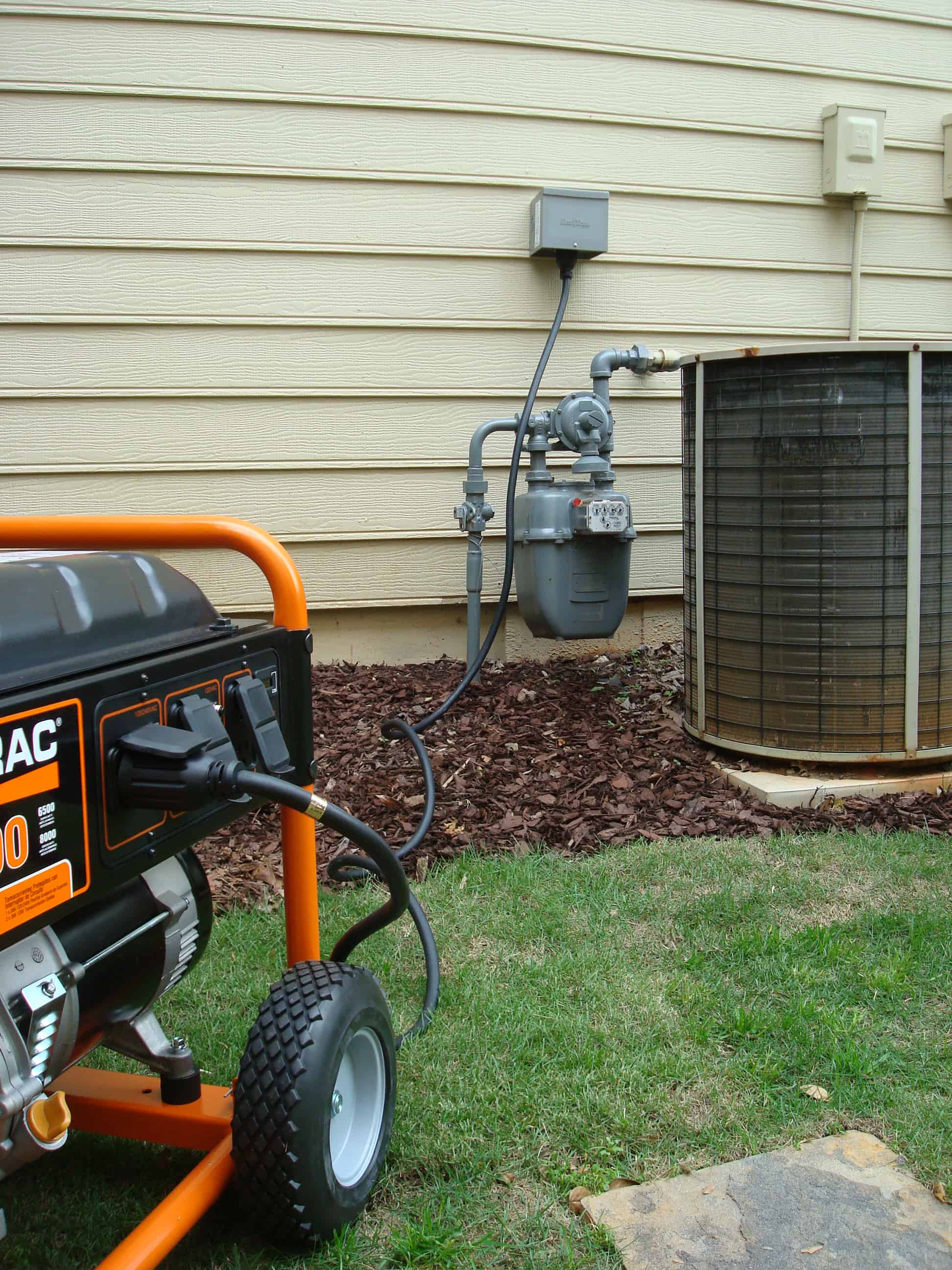
This method has its place, but it’s not for powering your entire house. It’s strictly for individual appliances. You plug the appliance directly into the generator or a heavy-duty outdoor extension cord connected to the generator. Crucially, the generator must be outside, far from windows and doors, to avoid carbon monoxide poisoning (more on that later, but seriously, don't mess with CO). This method is safe for individual appliances because there's no chance of backfeeding into your house's main electrical system. It's simply creating isolated power islands.
The downside? You’ll be tripping over cords, and your house will resemble a tangled mess of wires. Plus, you’re only powering a select few items, not enjoying the full home experience. If you want more than just a glorified camping trip in your living room, you need to step up your game.

Method 2: The Transfer Switch – Your Home's Electrical Bodyguard
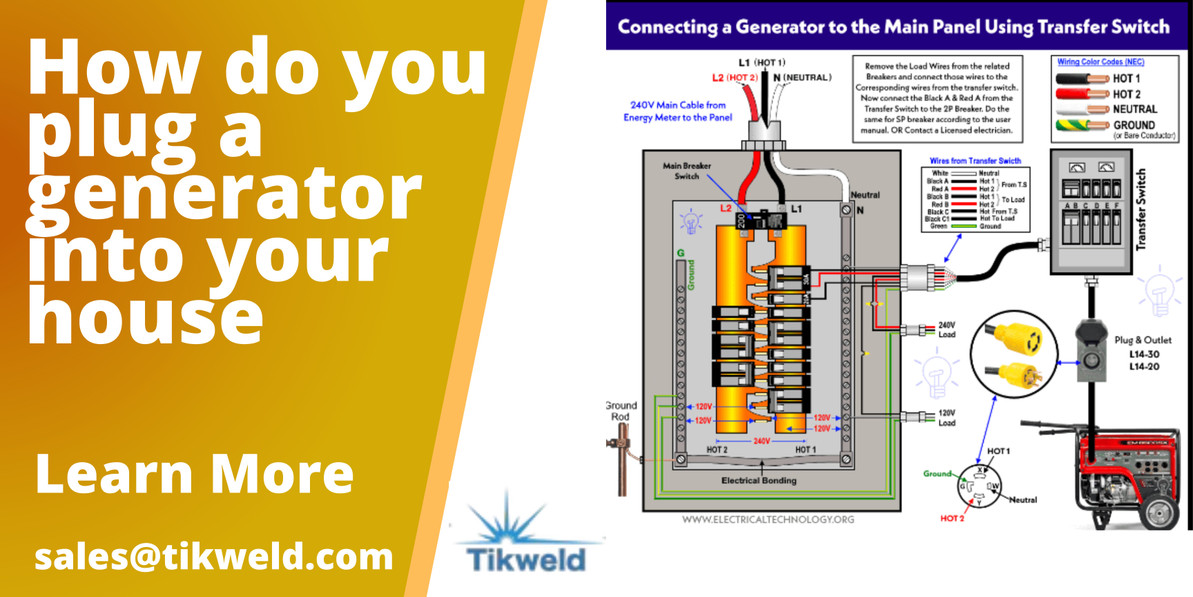
Now we’re talking real power, real safety. The transfer switch is your home's bouncer, standing guard between your generator and the utility grid. When the power goes out, you flip a switch (or it flips automatically if you're fancy), and the transfer switch safely disconnects your house from the utility lines before connecting it to your generator. It’s like magic, but with more wires and less sparkle.
Why is this a big deal? Because it ensures no backfeeding. None. Zero. Zip. The transfer switch is designed to be a complete electrical isolation device. It’s the difference between gently coaxing your house to run on generator power and trying to force-feed it electricity while it’s still connected to the grid, which, again, is incredibly dangerous for utility workers and your own home's wiring. Think of it as putting your house in "generator mode" without any risk of confusion.
Installing a transfer switch is not a DIY job unless you're a certified electrician with a death wish for your warranty. You need a qualified, licensed electrician. They’ll assess your power needs, install the switch near your main electrical panel, and connect your generator with a dedicated inlet box. It’s an investment, sure, but it’s an investment in safety and peace of mind. Plus, no more extension cord spaghetti!
Method 3: The Interlock Kit – The Clever Alternative
If a dedicated transfer switch feels like overkill, or your budget is giving you the side-eye, there’s another incredibly clever and safe option: the interlock kit. This little mechanical marvel is installed directly onto your existing electrical panel. It works by physically preventing both your main utility breaker and your generator breaker from being in the "on" position at the same time.
It's like a genius puzzle piece that ensures absolute safety against backfeeding. To use it, you first flip off your main utility breaker, then slide the interlock plate to allow your generator breaker to be turned on. When utility power returns, you reverse the process. Simple, elegant, and effective. It's a fantastic solution for many homes, offering the safety of a transfer switch at a potentially lower cost, though it still requires professional installation to ensure proper function and adherence to electrical codes.
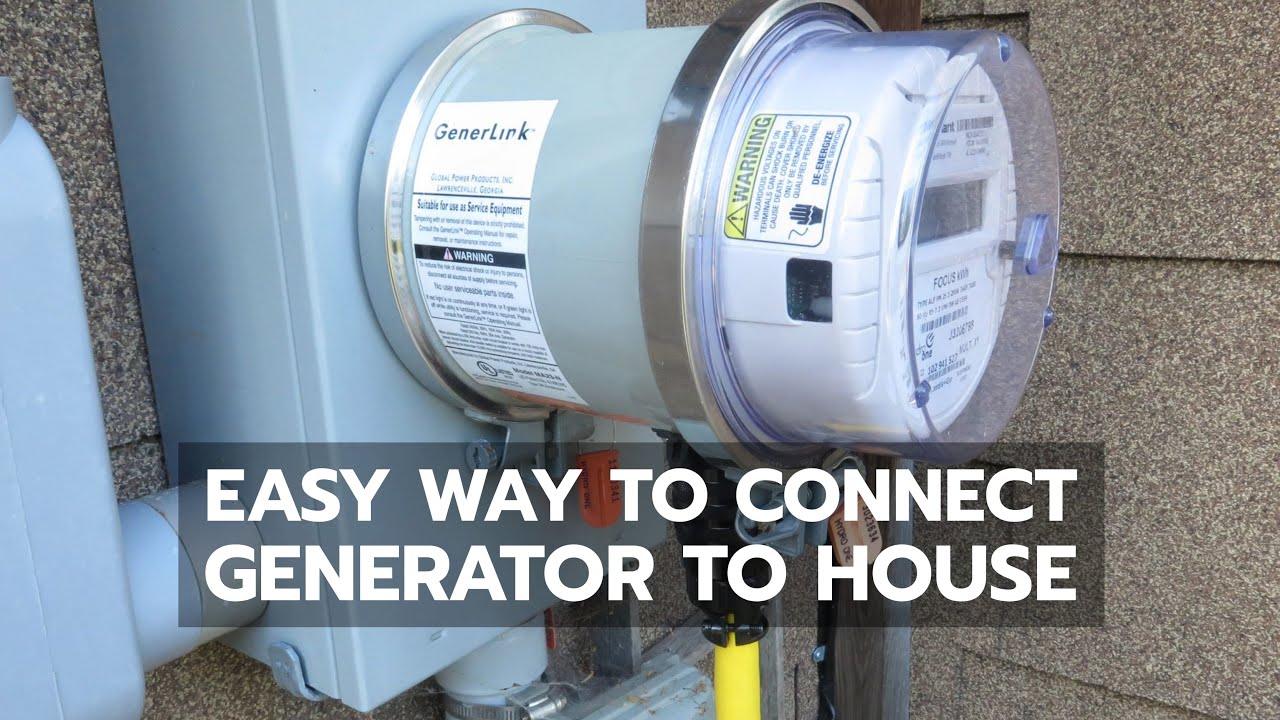
Again, this is not a DIY project unless you fancy a glowing hairdo. Get an electrician. They’ll make sure it's installed correctly and that your generator is properly connected to a dedicated inlet box on the exterior of your home. You'll be able to power select circuits in your home, just like with a transfer switch, but with a more compact setup.
The Golden Rules of Generator Power (Seriously, Don't Skip These)
No matter which method you choose, a few rules are non-negotiable. Break them, and you might end up with more than just a spoiled freezer:
- Outside Only! Generators produce carbon monoxide (CO), an odorless, colorless, silent killer. Seriously, never, ever run a generator indoors, in a garage, or too close to windows. Position it at least 20 feet from your house, pointed away from any openings. Get a CO detector for your home – actually, get several.
- Fuel Safety: Store fuel in approved containers, away from living areas and heat sources. Don't refuel a hot generator. Let it cool down, or you might have an unplanned bonfire.
- Read the Manual: Yes, it’s boring. Yes, it’s full of tiny print. But your generator’s manual has critical information about its operation, maintenance, and specific safety warnings. Don't be that person who learns the hard way.
- Proper Sizing: Make sure your generator can actually handle the load you plan to put on it. Overloading it can damage the generator and anything connected to it.
So, there you have it. The mysteries of plugging a generator into your house, demystified. No longer will you gaze upon your generator with a mixture of hope and terror. You’ll be prepared, safe, and ready to flick on the lights while your neighbors are still huddled around candles, wondering if that weird rumbling sound is a bear or just your amazing, power-providing machine. Go forth, be the hero of your own power outage, and enjoy that warm coffee!