
Plug-in Carbon Monoxide Detector With Battery Backup

Hey there, safety squad! Let’s have a little chat about something super important, but honestly, kinda boring until you need it: carbon monoxide. Sounds heavy, right? But trust me, we’re going to make this fun and easy, like finding a twenty-dollar bill in your old jeans.
Today’s superstar? The Plug-in Carbon Monoxide Detector with Battery Backup. Yeah, it’s a mouthful, but it’s basically the superhero of your home, and it doesn't even wear a cape (unless you count the plug as a cape... which, I mean, you could!).
Why Are We Even Talking About Carbon Monoxide?
Okay, so here’s the deal with carbon monoxide, or CO if you’re nasty (just kidding, it’s just shorter). It’s often called the “silent killer” because it’s a total ninja: odorless, colorless, and tasteless. You can’t see it, you can’t smell it, you can’t taste it. It’s like the ultimate invisible prankster, but with way higher stakes than, say, putting salt in the sugar bowl.
Must Read
CO is produced when fuels like gas, oil, wood, or coal burn incompletely. Think of your furnace, gas stove, water heater, fireplace, or even your car (don't run your car in the garage, folks!). If these things aren't venting properly, CO can build up in your home. And when it does? It can make you sick, confused, and in really bad cases, it's lights out. Not fun times, not fun at all.
So, we need a way to detect this invisible menace. Enter our hero!
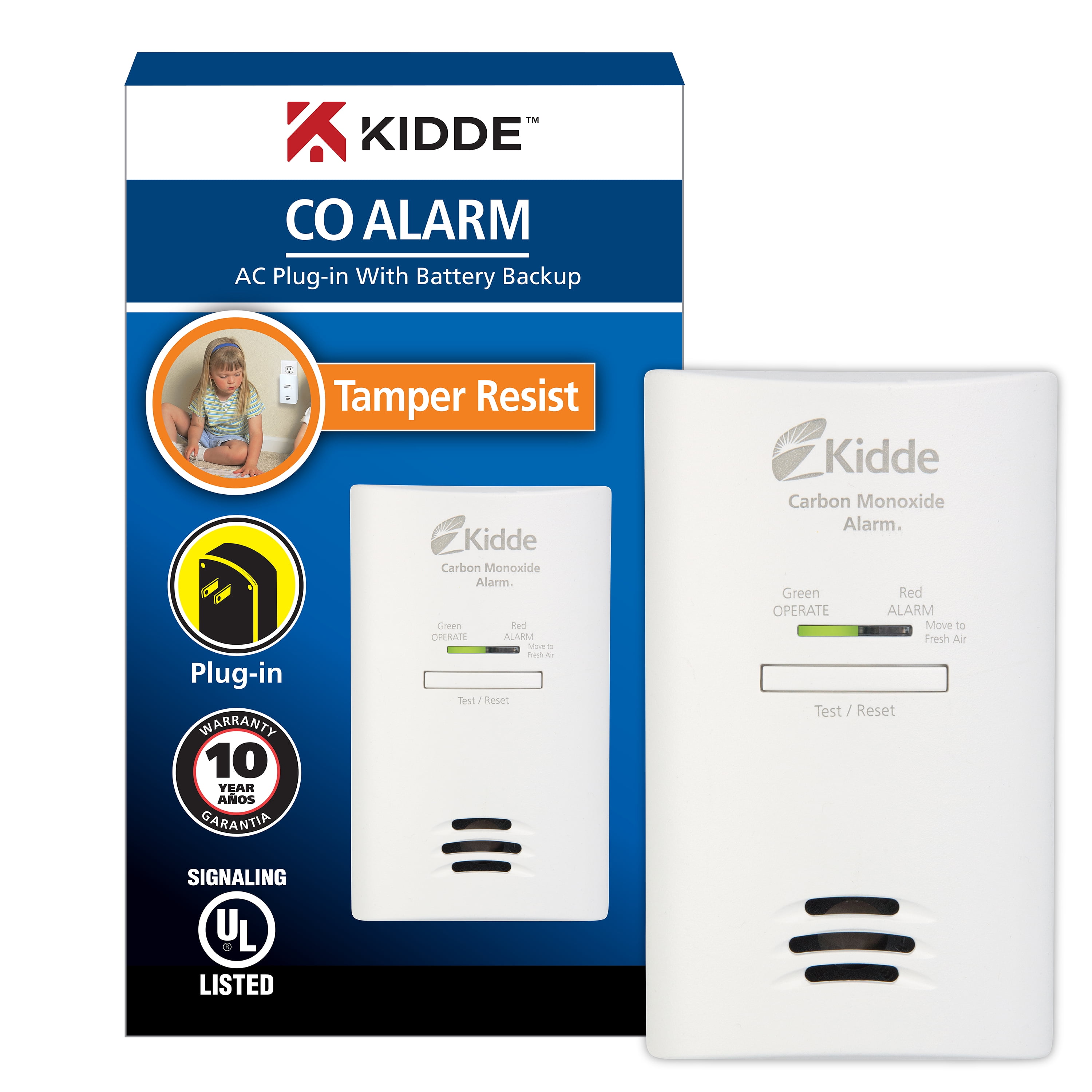
Meet Your Home’s New Best Friend: The Plug-in CO Detector
Now, there are different types of CO detectors out there, but let’s zero in on the plug-in with battery backup because it’s basically the best of both worlds. It’s like having a cake and eating it too, but the cake is safety and you don't get a tummy ache.
The "Plug-in" Part: Set It and Forget It (Mostly)
The beauty of the plug-in model is its simplicity. No complicated wiring diagrams that look like a spaghetti monster threw up on a blueprint. You just find an outlet, preferably one that isn’t controlled by a wall switch (because who wants their safety device accidentally turned off?), and you plug it in. Boom! Done. It's ready to start sniffing out trouble.
This means installation is a breeze. No need to call an electrician, no need for fancy tools. If you can plug in a toaster, you can install one of these bad boys.
The "Battery Backup" Part: Because Life Happens
Ah, the plot twist! What happens if the power goes out? Say a rogue squirrel causes a blackout, or a summer storm decides to play havoc with the grid. If your CO detector is just plugged in, it's suddenly as useful as a chocolate teapot. That's where the battery backup swoops in, cape flowing dramatically.
With battery backup, your detector will continue to work even if your power goes bye-bye. It’s like a tiny, vigilant bodyguard that never clocks out, ensuring your family stays protected around the clock. This is absolutely crucial because power outages often happen during storms when furnaces might be working overtime, increasing the risk of CO buildup.

So, you get the convenience of plugging it in, and the peace of mind knowing it's got an emergency power supply. It’s truly the dynamic duo of home safety!
What Makes Them So Great? (Beyond the Obvious)
- Continuous Monitoring: It’s always on the job, diligently checking the air for CO. Think of it as your home’s personal air quality control specialist.
- Loud Alarm: If it detects CO, it’s not shy. These things usually have alarms that can wake the dead (or at least wake you from your deepest beauty sleep), giving you precious time to react.
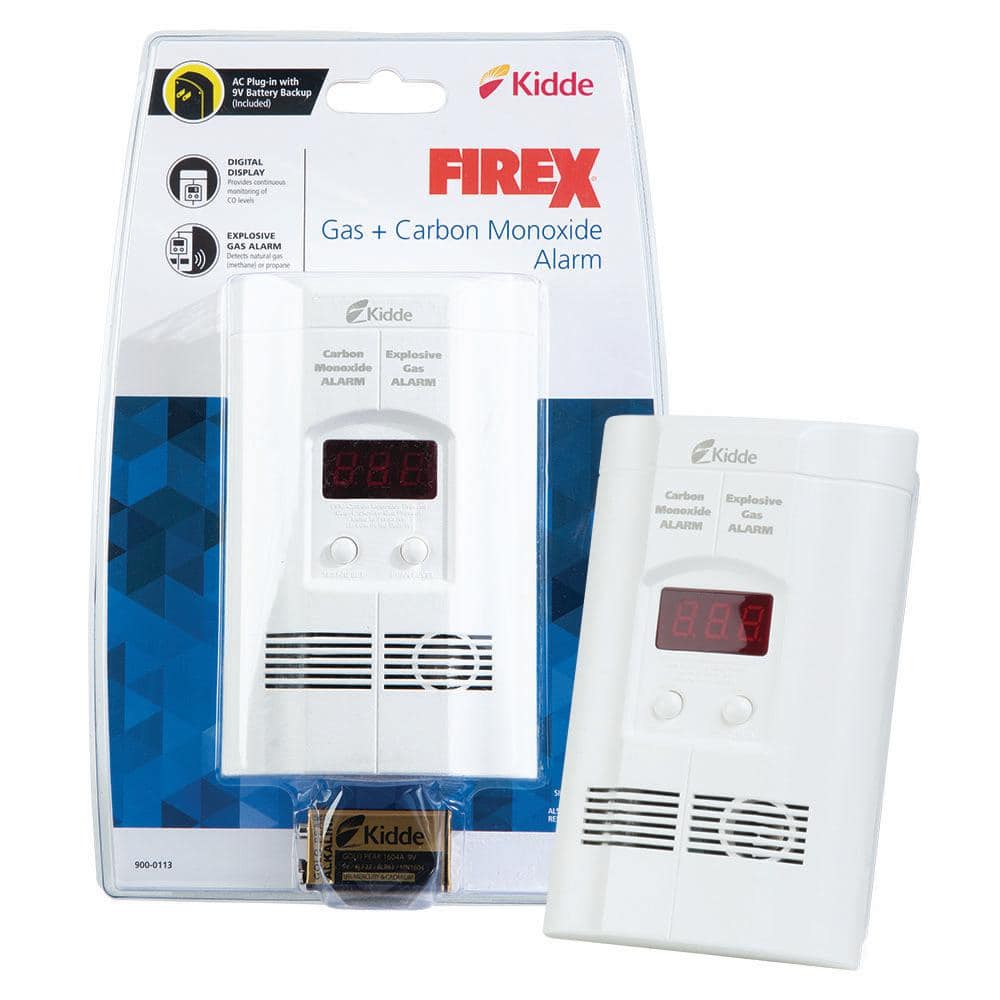
- Digital Display (Often): Many models come with a digital screen that shows you the current CO level. It's like having a little dashboard for your air, so you're not left guessing.
- Test/Reset Button: Most have a button so you can give it a little "check-up" every month. It’s satisfying to press and hear that loud chirp, just knowing it's ready for action.
Where to Put Your New Guardian Angel?
You don't just stick these anywhere. Think strategically! Place them on every level of your home, especially near sleeping areas. Also, consider placing one near your furnace, water heater, or any other fuel-burning appliance. Just don't put it right next to a furnace exhaust vent or in a bathroom – steam can mess with the readings.
A Little Bit of Maintenance Goes a Long Way
Even superheroes need a little love. Remember to:
- Test it monthly: Just press that button!
- Change the backup batteries annually: Even if they're still working, fresh batteries are always a good idea. Think of it as giving your guardian angel a fresh energy drink.
- Replace the unit every 5-7 years: Like all good things, CO detectors don't last forever. The sensors wear out, so check the expiration date on the back and plan to replace it.
Investing in a plug-in carbon monoxide detector with battery backup is one of those smart, simple choices that delivers immense peace of mind. It’s a small device that does a gigantic job, letting you breathe easy (literally!) knowing you've taken a crucial step to protect your loved ones.
So go on, grab one (or three!) and give your home the gift of vigilant safety. You’ll be sleeping sounder than a cat in a sunbeam, knowing your silent ninja is being guarded against by a tiny, but mighty, hero. Stay safe, stay happy, and keep that air clean!