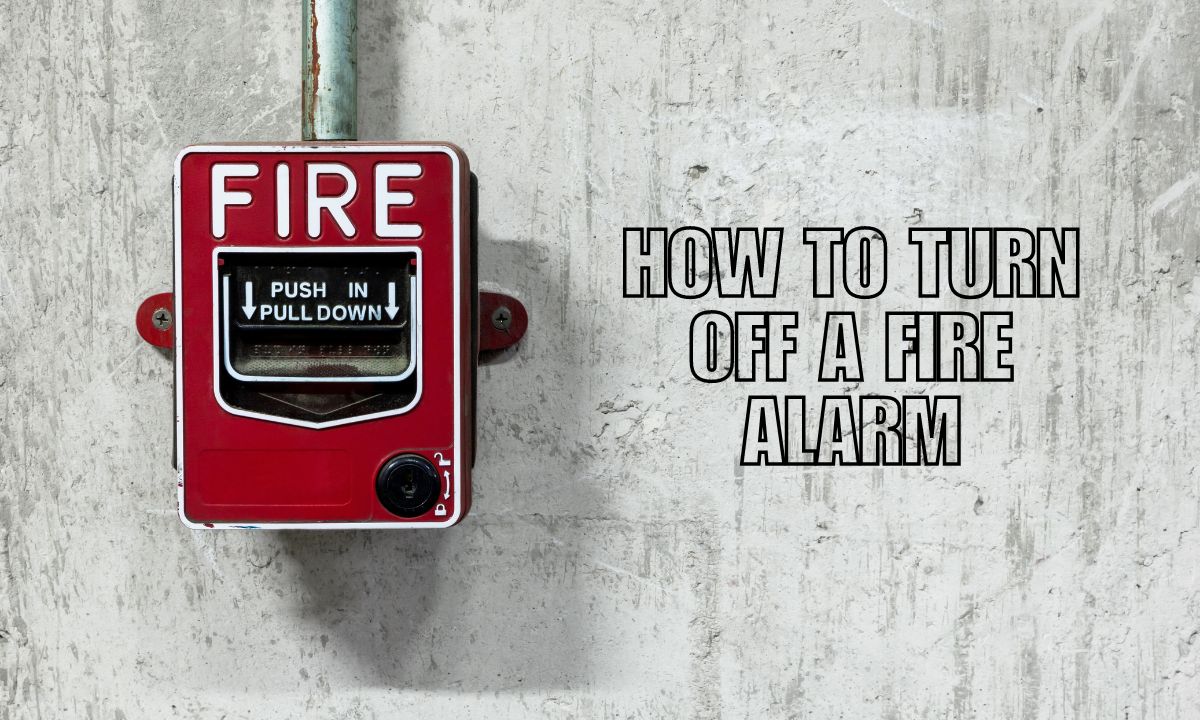
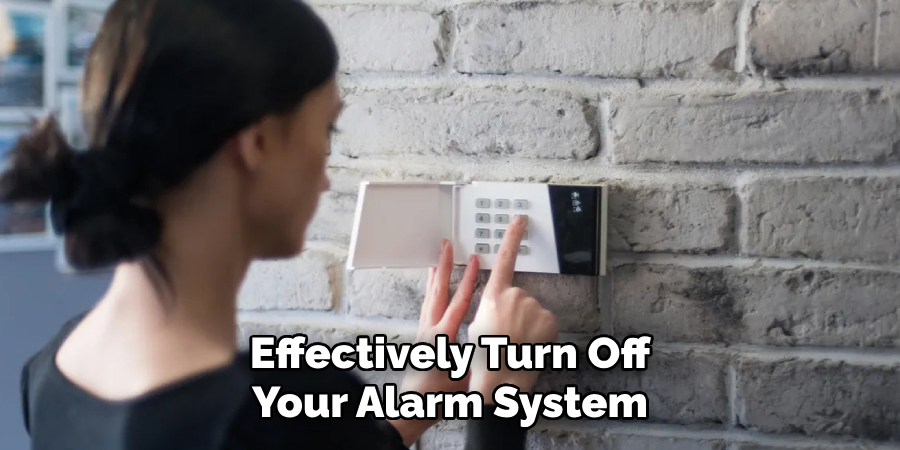
Please Turn Off The Alarm
Ever woken up to the sound of a distant, persistent beeping, wondering if it's your own alarm or a neighbor's rogue symphony? Or perhaps you’ve been the one who set an alarm for an early start, only to snooze it into oblivion, leaving it to serenade an empty room for hours? This often-overlooked aspect of daily life, the simple act of turning off the alarm, is more than just a chore – it’s a subtle art form that brings peace, quiet, and a touch of neighborly consideration to our busy worlds. It's a topic that's universally relatable because, let's face it, we all use alarms, and we've all been on both sides of that annoying, insistent beep. It's a fun topic because addressing it can instantly make everyone's day a little bit calmer and a lot more considerate.
So, why is this so important? The purpose of mastering the "turn off" is multi-faceted, offering benefits for everyone. For beginners, or anyone just starting to grasp the importance of quietude, it's about developing a simple habit that fosters mutual respect. Learning to promptly silence your alarm means fewer jarring starts to the day for housemates, partners, or even the dog. For families, it's a fantastic lesson in shared responsibility and consideration. Teaching kids to manage their morning alarms not only gives them a sense of independence but also ensures a more harmonious household, avoiding those grumpy "who left their alarm on?!" moments. And for the meticulous hobbyists or those who appreciate a well-organized life, managing multiple alarms (for baking timers, exercise schedules, or reminders) ensures their helpful tools don't transform into irritating noise pollution, maintaining a serene and focused environment.
The variations of this alarm dilemma are endless. There's the classic phone alarm that goes off in a bag or a different room, merrily beeping away long after you've already started your day. Then there's the old-school physical alarm clock, sometimes set for a weekday only to blare mercilessly on a Saturday morning. Don't forget the smart home assistant, which might chime a reminder for a task you've already completed, or the specific app alarm that demands attention long past its usefulness. We've all experienced the frustration of a forgotten oven timer or a washing machine whose finished cycle signal just keeps on giving. The common thread? An active sound cue that, for various reasons, isn't being acknowledged or dismissed when it should be, creating unnecessary auditory clutter.
Must Read
Getting started with better alarm etiquette is incredibly simple. First, make it a point to physically turn off your alarm, not just hit snooze repeatedly. Place your alarm clock or phone far enough from your bed that you have to get up to silence it completely. This helps prevent accidental snoozing into oblivion. Second, take a few moments each week to review your active alarms. Do you still need that 6 AM alarm you set for a one-off early meeting? Deleting unnecessary alarms is like decluttering your soundscape. Third, if you live with others, have a quick chat about alarm expectations. A little communication goes a long way in ensuring everyone gets a peaceful start to their day. Finally, consider using alarms with a gentle, gradual wake-up sound; it's kinder to your nervous system and those around you.
Ultimately, the seemingly small act of properly turning off an alarm is a powerful gesture of consideration. It contributes to a quieter, more respectful environment, fostering better relationships with those you share space with. Embracing this habit isn't just about silence; it's about creating a sense of calm and order that helps everyone enjoy a more peaceful and harmonious start to their day. So, next time that alarm goes off, remember to truly turn it off – your ears, and everyone else's, will thank you for it!