
Pay Statement Balance Vs Current Balance
Ever found yourself peering at your bank account or credit card statement, seeing one number, and then checking your banking app minutes later only to find a slightly different figure? It’s not a glitch in the matrix, nor is your money playing hide-and-seek! What you’re encountering is the fascinating, yet sometimes subtly confusing, difference between your Pay Statement Balance and your Current Balance. Understanding this isn’t just for financial whizzes; it’s a super helpful trick for anyone who manages their own money, and honestly, it’s quite fun to unravel this little financial mystery.
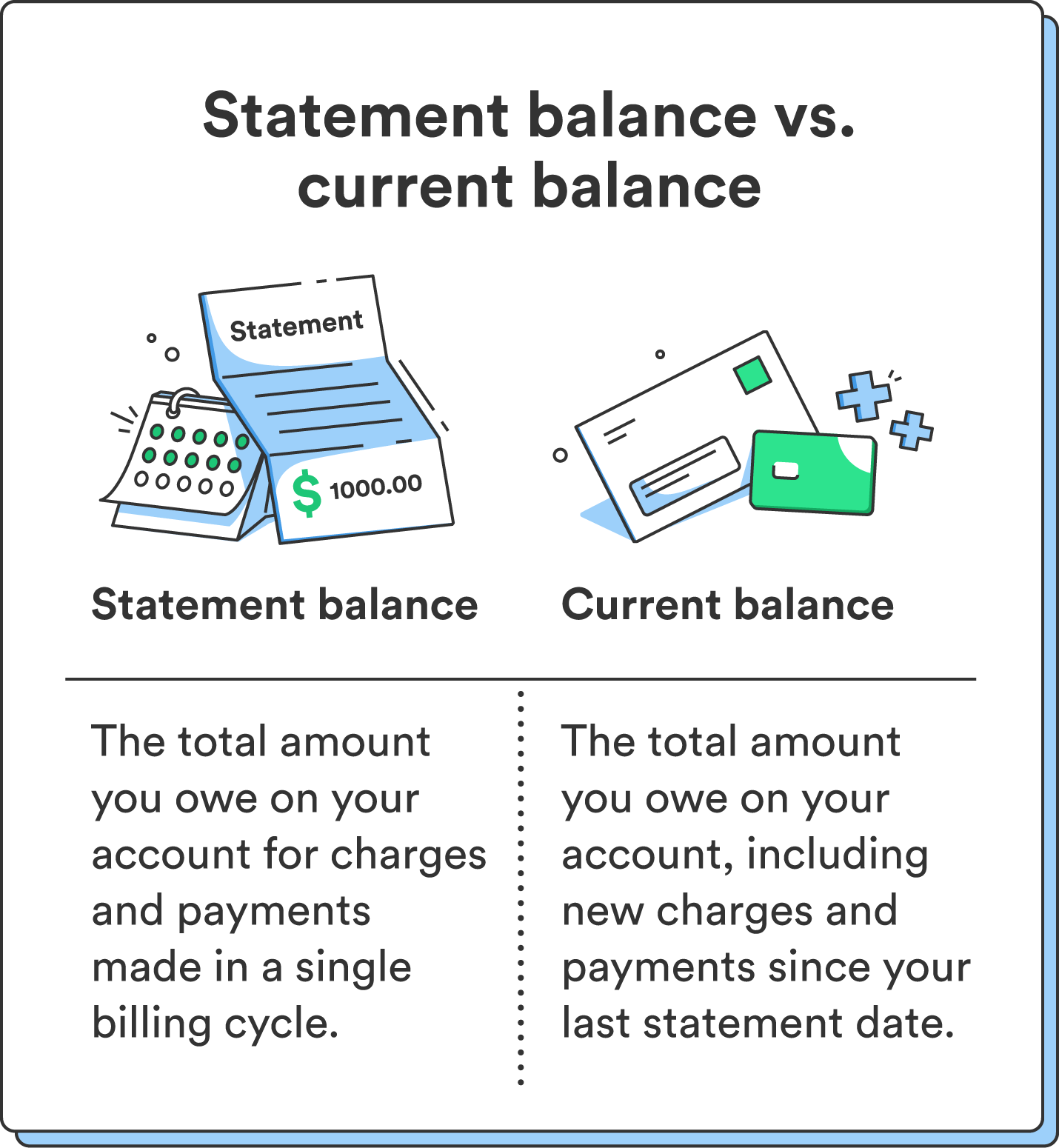
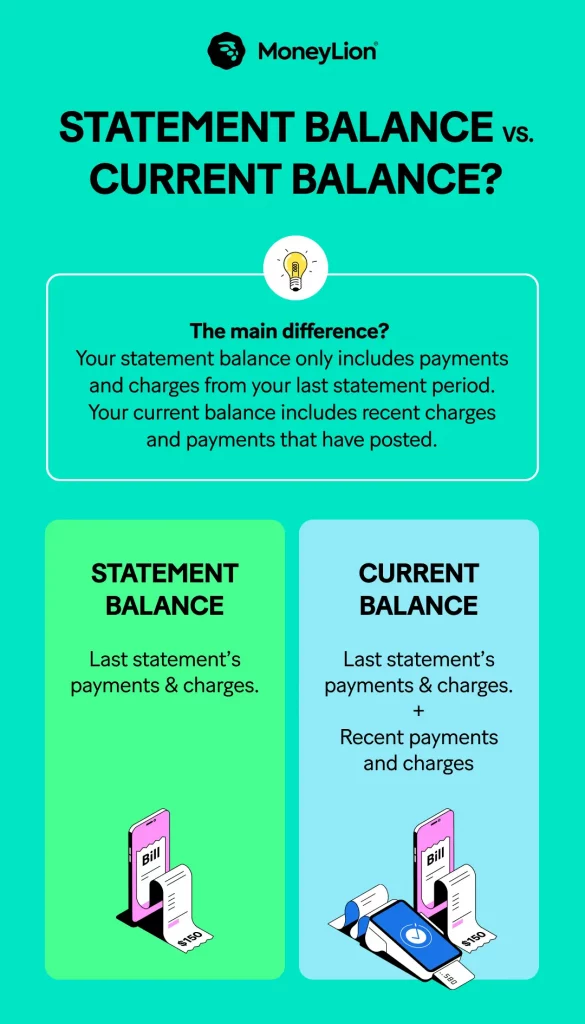
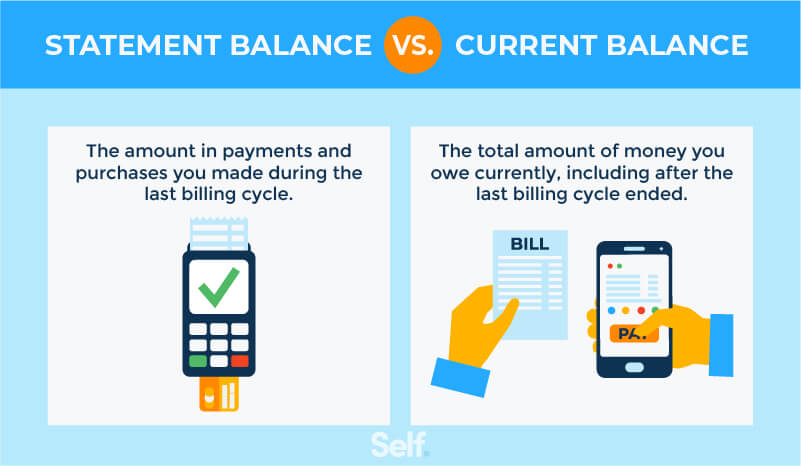
So, what’s the big deal? Think of your Pay Statement Balance as a beautiful, carefully composed photograph of your account on a very specific date – the statement date. It shows all the transactions that have officially cleared and settled up to that point. It's what your bank or credit card company officially reported for that billing cycle. On the other hand, your Current Balance is like a live, constantly updating video feed. It reflects your account balance right now, including all the transactions that have cleared since your last statement date, as well as any pending transactions that haven't quite settled yet. The purpose of knowing both is simple: the statement balance gives you a historical overview for budgeting and record-keeping, while the current balance tells you exactly how much money you truly have available to spend or transfer at this very moment.
The benefits of grasping this distinction are enormous. For daily life, it means avoiding unexpected overdraft fees on your debit card because you mistakenly relied on an older statement balance. Imagine you look at your credit card statement showing a balance of $500. Great! But if you've made several new purchases since that statement was issued, your current balance might actually be $750. Knowing the latter prevents you from overspending your credit limit. In an educational context, understanding these balances is fundamental to learning basic personal finance and even rudimentary bookkeeping. It teaches the importance of real-time awareness versus historical reporting, a concept crucial for anyone aspiring to manage budgets or business accounts.
Must Read
Ready to put this knowledge into action? Here are a few simple ways to explore it:
- Regularly check your banking app: Get into the habit of looking at your current balance before making any significant purchase, rather than just recalling the last statement figure. Most apps clearly display both.
- Track pending transactions: Pay attention to how long it takes for a pending transaction (like a gas station hold or a restaurant charge) to clear and impact your final current balance.
- Reconcile your statement: When your monthly statement arrives, compare it to your own records or your banking app's activity feed. This is an excellent way to see how the numbers diverge over time and why.
- Set up alerts: Many banks allow you to set up text or email alerts for when your balance drops below a certain amount or when large transactions occur. This keeps you informed in near real-time.
By understanding that your Pay Statement Balance is a look back and your Current Balance is a look at the present, you gain incredible financial clarity and control. It’s a small piece of knowledge that makes a big difference in managing your money confidently and avoiding those little financial surprises!

.jpeg)