Oracle Sql Developer Alternatives
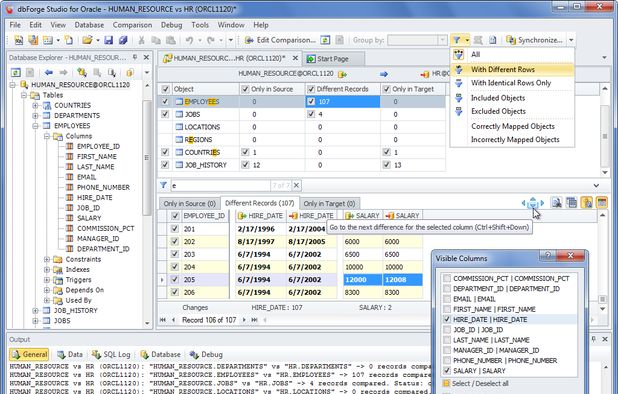
Let's talk about databases! Okay, maybe that doesn't sound like a thrill ride, but stick with me. If you've ever tinkered with storing information – whether it's a massive collection of customer data or just your family's favorite recipes – you've probably bumped into the world of databases. And if you're using Oracle databases, you're likely familiar with Oracle SQL Developer. But what if it doesn't quite click with you? Or what if you’re looking for something a bit different? That's where exploring Oracle SQL Developer alternatives comes in. It's like discovering new tools in your toolbox – each with its own strengths and ways to make your database adventures smoother and more fun!
So, who might benefit from exploring these alternatives? Well, pretty much anyone who works with Oracle databases! For beginners, a simpler interface can be a game-changer. Some alternatives are designed with clarity in mind, making it easier to understand the basics of SQL and database management. Think of it as training wheels for your database journey! For families or hobbyists who might be managing smaller datasets, like a collection of books or a record of household expenses, a lightweight and user-friendly alternative can be perfect. You don’t need all the bells and whistles of a professional tool when simplicity is key. And for experienced developers, trying out alternatives can boost productivity by offering specialized features, better performance, or enhanced customization options.
What kind of alternatives are we talking about? Here are a few examples:
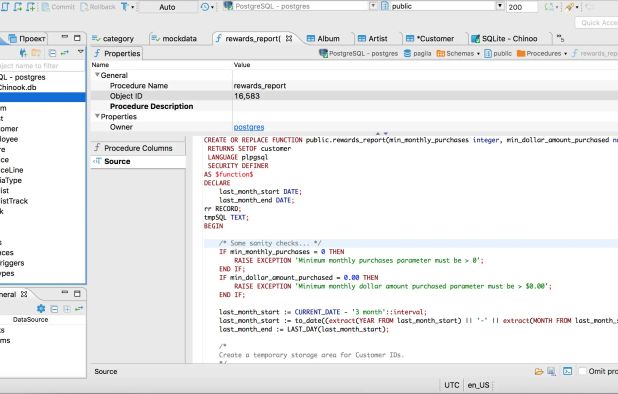
- DBeaver: A universal database tool that supports a wide range of databases, including Oracle. It's known for its versatility and powerful features.
- SQL Developer Web: A browser-based interface for Oracle databases, offering a lightweight and accessible way to manage your data. Great for quick tasks and remote access.
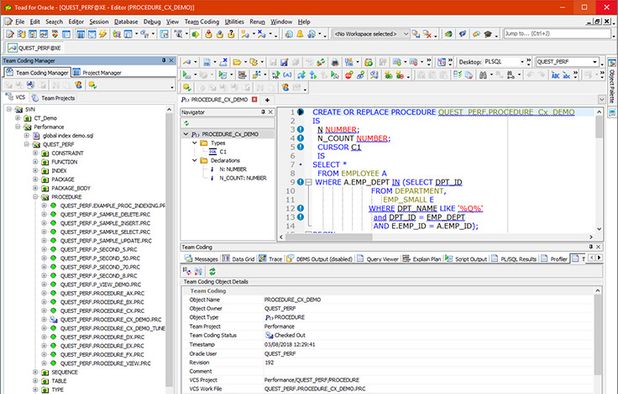
- Toad for Oracle: A popular commercial tool known for its robust features and automation capabilities. It's a powerhouse for serious Oracle development.
Must Read
Getting started with these alternatives is easier than you might think. Here are some simple, practical tips:
- Download and install: Head to the official website of the alternative you're interested in and download the software. The installation process is usually straightforward.
- Connect to your database: You'll need to provide your Oracle database connection details (hostname, port, username, password, and service name/SID). Most tools have a simple interface for setting up the connection.
- Explore the interface: Take some time to familiarize yourself with the layout, menus, and features. Start with simple tasks like browsing tables and running basic SQL queries.
- Use online resources: If you get stuck, there are plenty of online resources available, including documentation, tutorials, and community forums.
Exploring Oracle SQL Developer alternatives is about finding the right fit for your database needs. It can streamline your workflow, enhance your understanding of SQL, and even make working with databases a more enjoyable experience. So, take a look, try a few out, and discover the perfect tool to power your data adventures!