
Ohio Edison Rates Per Kwh
Okay, so picture this: it’s a perfectly normal Tuesday evening. You’re chilling, maybe binging that new show everyone’s talking about, lights are on, fridge is humming, life is good. Then, bam, the Ohio Edison bill lands in your inbox, or worse, your mailbox. You open it up, half-expecting the usual, but then your eyes land on the total, and you do a little double-take. "Wait, what? Did I accidentally start a bitcoin mining operation in my basement?" you think. Sound familiar? Because, honest to goodness, that was me last month. And it got me wondering, really wondering: what exactly am I paying for per kilowatt-hour (kWh) with Ohio Edison?
You know, it’s one of those things we all use, every single day, without a second thought. Until the bill comes, that is. It’s like breathing air, but then someone sends you an invoice for it. So, I decided to pull back the curtain a bit and demystify this whole Ohio Edison rates per kWh business. Because knowledge is power, and hopefully, less bill shock.
So, What's a kWh Anyway, and Why Should I Care?
First off, let's tackle the elephant in the room: the kilowatt-hour (kWh). Sounds fancy, right? Like something a mad scientist would calculate. But really, it's just how electricity usage is measured. Think of it like miles per gallon for your car, but for your toaster. One kWh is roughly what it takes to power a 100-watt light bulb for ten hours. Or, you know, run a microwave for about an hour. Pretty straightforward when you break it down.
Must Read
The reason you should care, my friend, is that that's the unit Ohio Edison (and every other utility) uses to calculate the bulk of your bill. Your total cost isn't just a random number; it's your total kWh usage multiplied by a certain rate per kWh. Simple math, but the "certain rate" part can be a bit of a head-scratcher.
The Two Big Buckets: Supply vs. Delivery
Now, here’s where things get interesting and, frankly, a little bit confusing for the uninitiated. Your Ohio Edison bill isn’t just one flat rate. Oh no, that would be too easy! Instead, it’s typically broken down into two main components: supply and delivery.
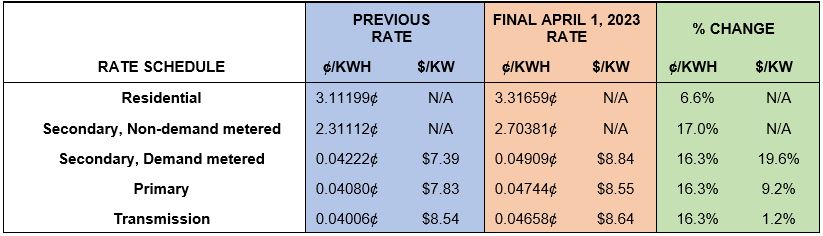
The supply charge (sometimes called "generation") is essentially the cost of the electricity itself. This is what you pay for the actual electrons zipping into your home. Think of it as the cost of the coffee beans. Ohio Edison, like other utility companies in Ohio, doesn't actually generate most of that electricity anymore. Instead, they procure it from various power generators on the wholesale market. And because it's a market, these prices can, and do, fluctuate. Sometimes quite a bit! The supply rate you see on your bill reflects the cost of sourcing that power.
Then there's the delivery charge (also known as "transmission and distribution"). This is what you pay Ohio Edison for getting those electrons from the power plant all the way to your outlets. This covers the cost of maintaining the power lines, poles, substations, smart meters, and all that infrastructure that keeps the lights on. It’s the cost of the barista, the coffee shop, and the delivery truck. This part of the rate is generally more stable because it's tied to fixed infrastructure costs and regulated by the Public Utilities Commission of Ohio (PUCO). They gotta keep those wires humming, right?
Your Options: Standard Offer vs. Third-Party Suppliers
Here's a cool little detail about Ohio, and something many folks don’t realize: you have choices for your electricity supply. Ohio has a deregulated electricity market. This means you don't have to get your electricity supply from Ohio Edison directly. They will always be your delivery company – they own the wires in your area. But for the supply side? You've got options.
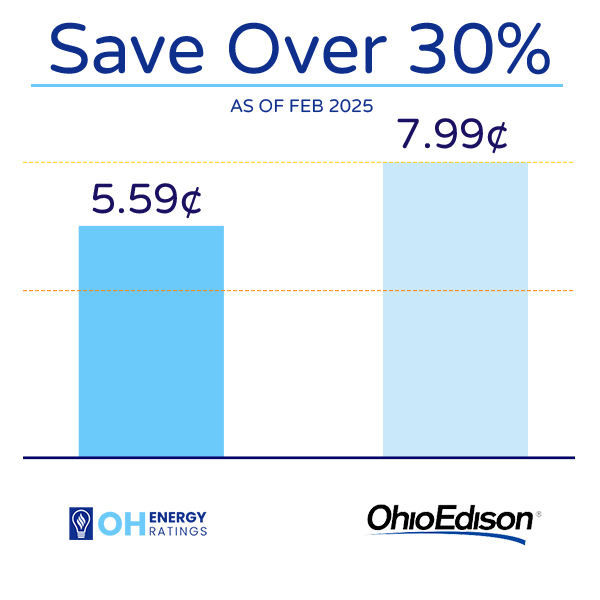
You can stick with Ohio Edison's standard offer (sometimes called the Price to Compare or PTC). This rate is periodically adjusted, often based on auctions where Ohio Edison buys power for its customers. It's usually a pretty competitive, but not always the absolute lowest, rate. It's the "default" setting, if you will.
Or, you can shop around for an alternative retail electric supplier (ARES), also known as a third-party supplier. These companies buy electricity on the wholesale market and sell it directly to consumers, often at a fixed rate for a set period (like 12 or 24 months). Think of it like choosing a different cell phone provider for your minutes, but still using the same cell towers. The PUCO website (energychoice.ohio.gov) is actually a fantastic resource for comparing these options. Seriously, go check it out – it’s not as scary as it sounds!

So, What's My Rate, You Ask?
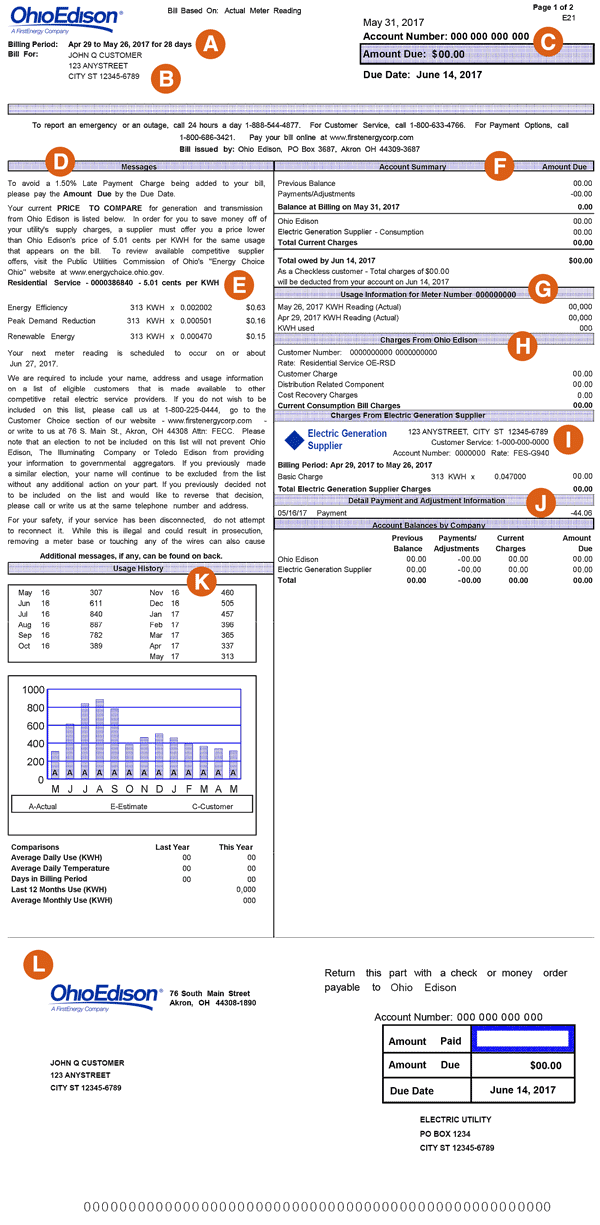
Ah, the million-dollar question! While I can't tell you your specific rate right here (because it changes, and depends on your plan), I can tell you exactly where to find it. Grab your latest Ohio Edison bill. Seriously, go get it. Look for sections like "Generation" or "Supply Charge" and "Distribution" or "Delivery Charge." You'll often see a rate listed in cents per kWh for each. Your "Price to Compare" (if you're on the standard offer) will also be clearly indicated.
Knowing your current rate is the first step to being an empowered electricity consumer. Once you know it, you can head over to that PUCO website I mentioned and see if any third-party suppliers are offering a better deal, especially if you're looking for a stable, fixed rate to avoid market fluctuations. Even a fraction of a cent difference per kWh can add up to real money over a year, especially if you're a heavy user (looking at you, gamers and cryptocurrency enthusiasts!).
Ultimately, understanding Ohio Edison’s rates per kWh isn't just about saving a few bucks (though that's a nice bonus!). It’s about understanding what you're paying for, feeling more in control, and maybe, just maybe, avoiding that monthly "did I start a secret bitcoin mine?" moment. Stay curious, friends, and keep those lights on... affordably!
