Nuclear Power Plants On The East Coast
So, you know how we all just kinda expect the lights to turn on, right? Like, magic! Especially here on the good ol' East Coast, where we're always bustling and busy, keeping things moving from dawn till way past dusk. Well, spill the tea: a bunch of that magic, that reliable, always-there power, actually comes from something that sounds a bit... well, sci-fi. But honestly, it's probably way more mundane than you think.
What Are We Talking About Here?
Yup, we're talking about nuclear power plants. I know, I know, deep breaths. Before you picture glowing green slime monsters, three-eyed fish, or Homer Simpson running around, let's just chill for a sec. It's actually way more controlled, regulated, and dare I say, pretty darn clever than the movies let on.
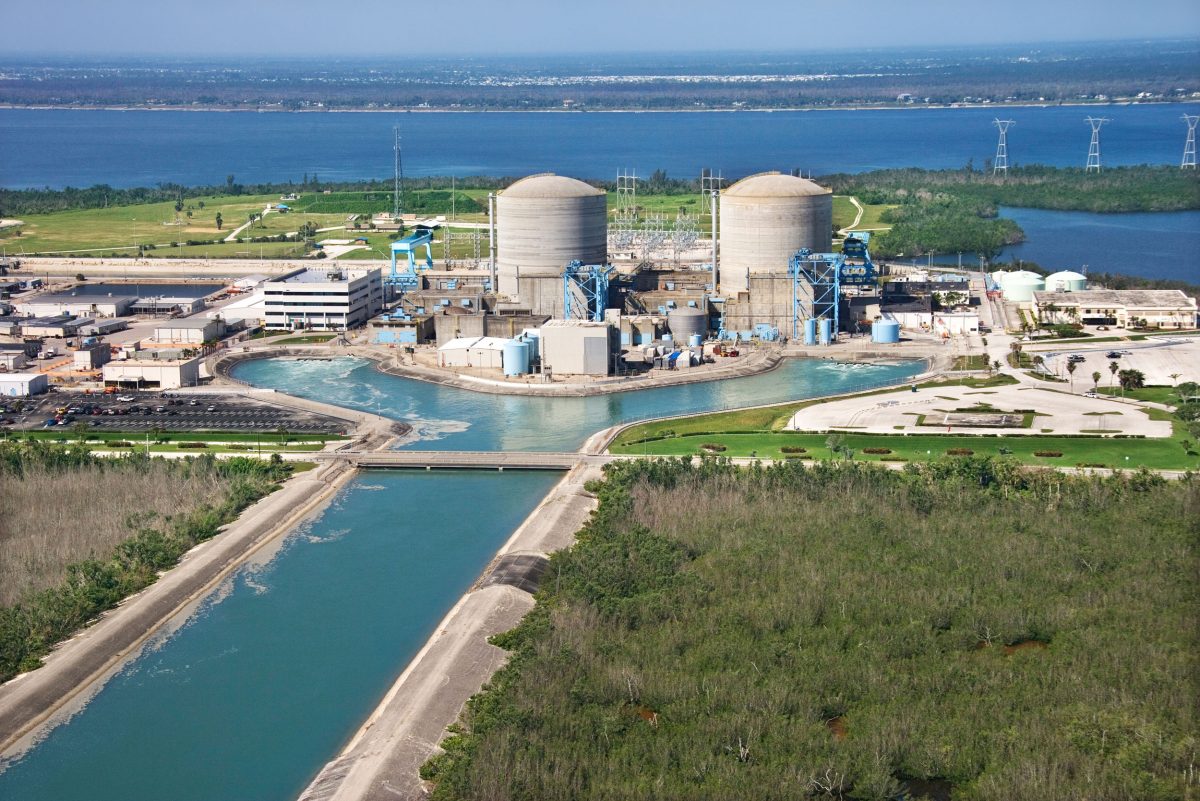
Ever driven along the coast or even a big river inland and spotted those giant, iconic cooling towers? You know, the ones that look like a fancy, concrete hourglass puffing out what looks like smoke, but is actually just harmless water vapor? Yeah, those are often your friendly neighborhood nuclear plant hanging out. They love water, because, you know, they need to cool things down. Like, a lot. It’s a core part of their whole vibe.
Must Read
No, Seriously, How Do They Work?
Think of it this way: what do nuclear plants actually do? They boil water. Seriously! They use a controlled nuclear reaction – splitting atoms, which generates a ton of heat – to boil water. That superheated water turns into steam, and that steam then spins a massive turbine, which is connected to a generator, and
Safety? Really?
Now, the 'N' word (nuclear, obviously!) often gets a bad rap, doesn't it? Chernobyl, Fukushima... these are tragic events that rightfully make people wary. But let's be real: the plants here in the States, especially on the East Coast, are built with mind-boggling levels of safety protocols. We’re talking layers upon layers of 'nope, not today, disaster!' engineering, redundant systems, and incredibly rigorous inspections. Think of airport security, but for atoms.
One of the coolest things about these giants? They're incredibly reliable. They just chug along, 24/7, powering our homes, offices, and all those late-night streaming binges. They're not dependent on the sun shining or the wind blowing, which is a big deal when you need constant juice to keep civilization humming. They just quietly do their thing, day in and day out, rain or shine.
Our East Coast Powerhouses
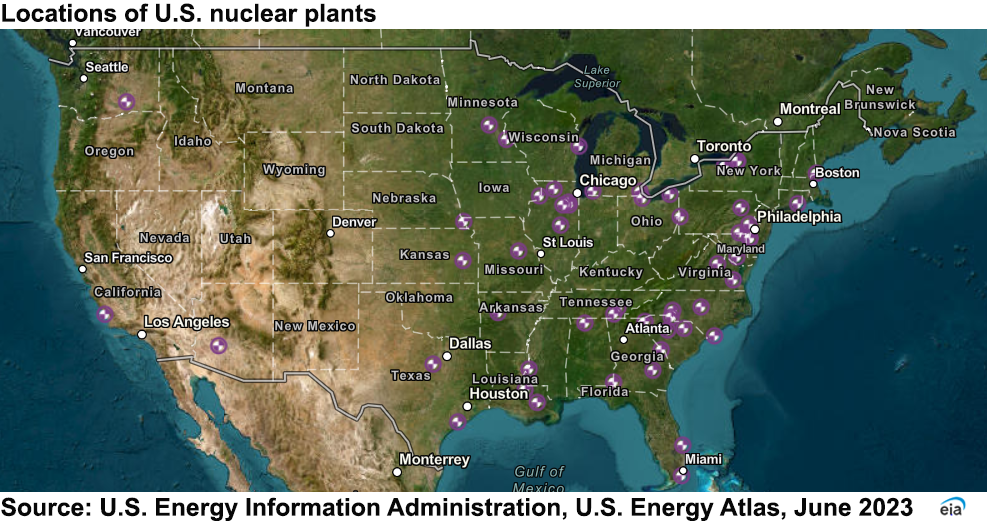
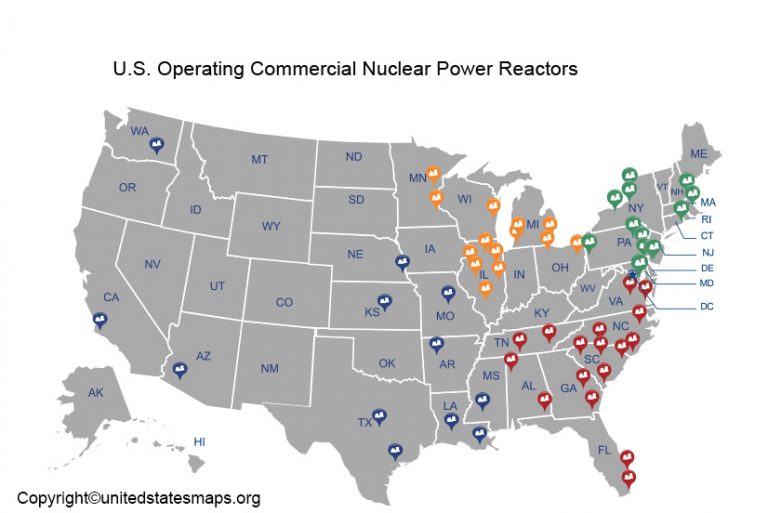
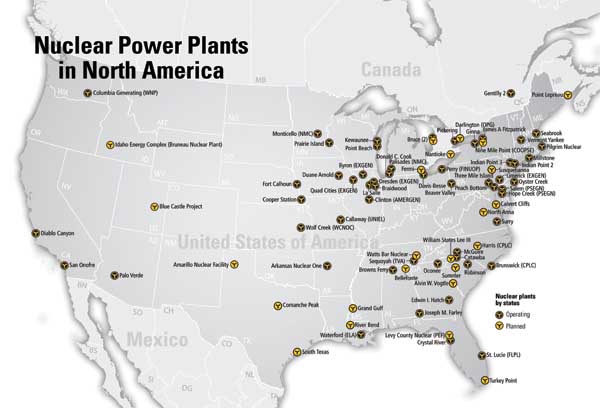
You'll find these big guys sprinkled all along the East Coast, from New England down through the Mid-Atlantic, into the Carolinas, and even Florida. Why there? Well, as we chatted about, they need tons of water for cooling, right? So, oceans, big rivers, vast lakes – those are prime spots. Think of places like Calvert Cliffs in Maryland, Millstone in Connecticut, or Salem in New Jersey. They're often in areas that are relatively sparsely populated right around the plant itself, but still close enough to transmit power to our big, hungry cities.

And get this: they produce virtually no greenhouse gas emissions during operation. Like, zero! Compare that to coal or natural gas plants, which are constantly spewing all sorts of stuff into the air. So, if you're into keeping our planet a bit cleaner, nuclear is actually a pretty strong contender for 'good guy' energy, helping us reduce our carbon footprint without us even really thinking about it.
Beyond the electrons, these plants are often major employers in their regions. We're talking engineers, security personnel, maintenance folks – a whole community of highly skilled people dedicated to keeping the lights on safely. It’s not just a big building; it’s a hub of activity and a significant boost to the local economy.
The Nitty-Gritty (Without Getting Too Nitty-Gritty)
Okay, okay, one more thing that often comes up: the waste. And yes, nuclear waste is a real thing that needs careful handling and storage. It's not like you just toss it in the regular recycling bin after you're done with your radioactive pizza box. But scientists and engineers are constantly working on even safer, more efficient ways to manage it, and the amount produced is actually quite small compared to the immense energy generated. Plus, it's meticulously contained, not just chilling in an open pit somewhere. So, while it's a challenge, it's a managed challenge, not a 'the world is ending' challenge. Definitely worth talking about, but maybe not over coffee.
Honestly, if you ever got a tour (which, good luck with that, security is TIGHT), you'd probably be a bit underwhelmed. It's mostly just control rooms, complex pipes, and a lot of very serious people doing very serious, but ultimately safe, work. Less glowing rods, more spreadsheets, probably. It’s definitely not like a Marvel movie set.
So next time you flip a switch, or your phone charges up instantly, maybe spare a thought for those big, quiet giants along the East Coast. They might not be glamorous, but they're a huge part of our energy puzzle, keeping our modern lives powered up and running. And perhaps, just perhaps, not as scary as you once thought. Who knew a chat about power plants could be so... enlightening? Now, about that second cup of coffee?