
Normal Range Of Movement Of Knee Joint

Think about all the things you do in a day: walking, running, sitting, standing, dancing (maybe!). All these activities, and countless others, rely on a properly functioning knee joint. We often take our knees for granted, until something goes wrong and suddenly even the simplest tasks become challenging. But what does it mean to have a "normal" range of motion in your knee, and why should you care? Well, let's dive in!
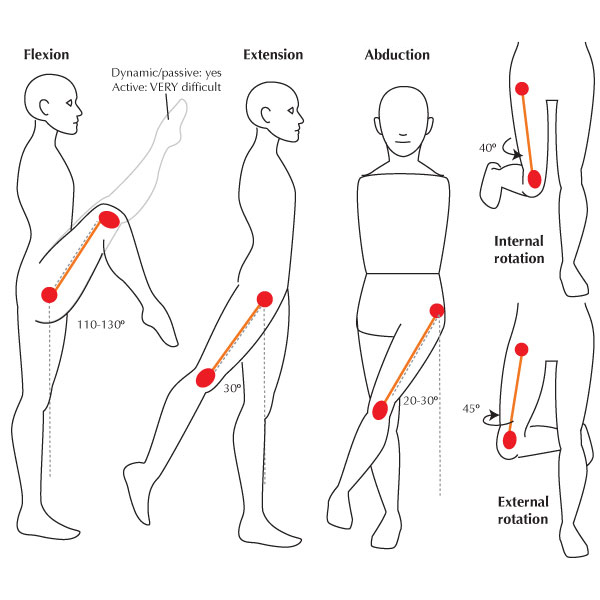
The knee joint is essentially a hinge, allowing us to bend and straighten our legs. The normal range of motion is typically described as follows: full extension (0 degrees) and full flexion (around 135-145 degrees). This range allows us to perform a wide variety of movements essential for daily life. Imagine trying to get out of a chair without being able to bend your knee! Or attempting to walk without being able to fully straighten it! The knee's flexibility and stability are crucial for maintaining balance, absorbing impact, and generating power for movement.
So, why is this range of motion so important? Consider these common examples: climbing stairs requires a significant degree of knee flexion. Squatting down to pick something up also demands a good range. Even simply sitting comfortably relies on our knees being able to bend appropriately. For athletes, the required range is even greater. Think about a runner needing to fully extend their leg to push off the ground, or a basketball player needing to rapidly flex and extend their knees during jumps and pivots. A restricted range of motion can significantly impact performance and increase the risk of injury.
Must Read
Beyond these obvious applications, good knee mobility plays a vital role in overall posture and biomechanics. If your knee doesn't move properly, it can affect the alignment of your hips, ankles, and even your spine, leading to pain and discomfort in other areas of your body.
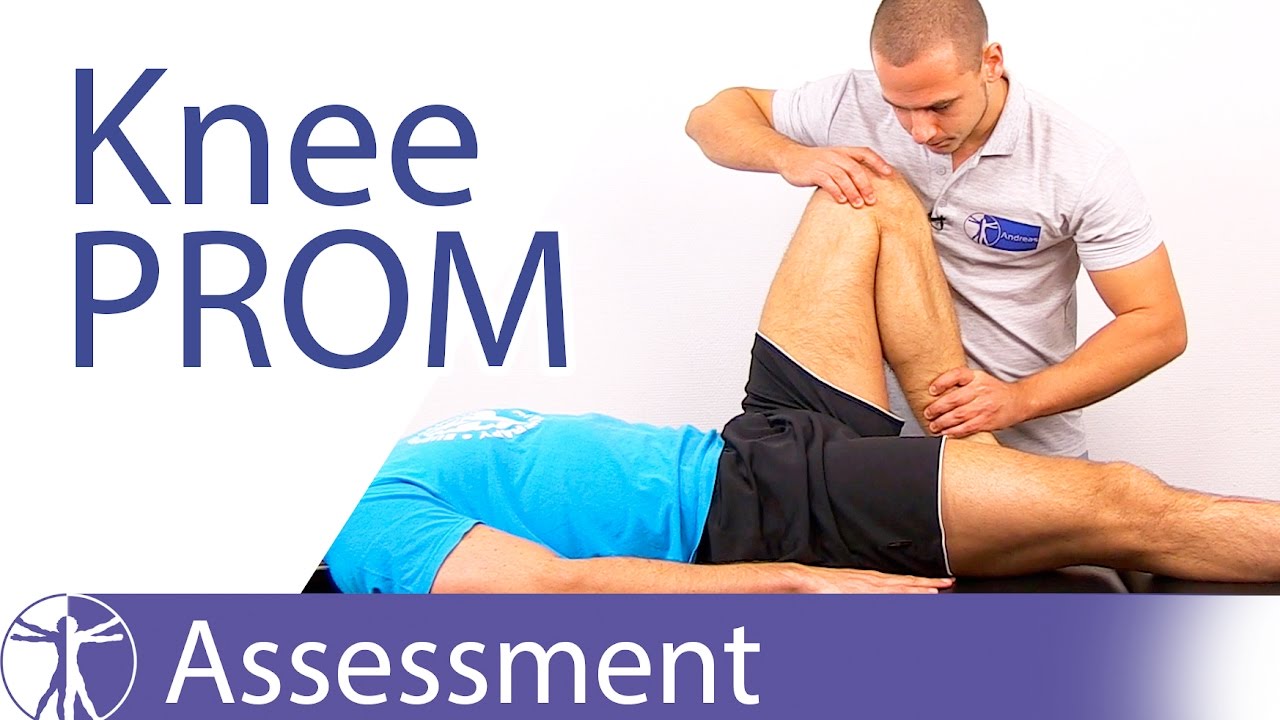
Now, how can you enjoy a healthier and more functional knee range of motion? Here are a few practical tips:
- Regular Stretching: Simple stretches like hamstring stretches, calf stretches, and quad stretches can help maintain flexibility around the knee joint. Hold each stretch for 20-30 seconds and repeat several times a day.
- Strengthening Exercises: Strong muscles around the knee, like the quadriceps, hamstrings, and calves, provide support and stability. Exercises like squats, lunges, and leg presses can be beneficial. Consult with a physical therapist or trainer for guidance on proper form.
- Low-Impact Activities: Activities like walking, swimming, and cycling are great for improving knee joint mobility without putting excessive stress on the joint.
- Listen to Your Body: Pay attention to any pain or discomfort in your knee. Don't push yourself too hard, especially if you're just starting to exercise. If you experience persistent pain, consult a doctor or physical therapist.
- Maintain a Healthy Weight: Excess weight puts extra stress on your knees. Maintaining a healthy weight can significantly reduce the load on your knee joints and improve their overall function.
Taking care of your knees and maintaining a healthy range of motion can have a profound impact on your overall well-being. By incorporating these simple tips into your daily routine, you can help ensure that your knees stay healthy and functional for years to come, allowing you to continue enjoying all the activities you love!

:max_bytes(150000):strip_icc()/188058334-crop-56aae7425f9b58b7d0091480.jpg)