
Normal Levels Of Carbon Monoxide In Air

Imagine a gas often whispered about in hushed tones, a notorious invisible presence that sends shivers down spines. We're talking about carbon monoxide, or CO, a name that usually conjures images of warning labels, emergency services, and vital safety detectors. It’s the silent stranger, the unseen threat that can cause serious trouble, right?
Well, get ready for a fascinating little plot twist in the story of this gas, one that might just change your perspective entirely. What if I told you that CO isn't just lurking in dimly lit basements or faulty furnaces, waiting for its moment to strike? It’s actually a constant companion, an unassuming part of the very air we breathe every single day.
Yes, you read that right! Normal, outdoor air, the kind you fill your lungs with on a crisp morning walk or a sunny afternoon picnic, naturally contains tiny, tiny amounts of carbon monoxide. It’s not just an indoor hazard; it’s an atmospheric resident, part of the planet's vast, invisible tapestry.
Must Read
This might sound a bit like finding out the monster under your bed actually just wants to borrow a cup of sugar and maybe share a cookie. The levels of this natural CO are incredibly low, so minuscule they typically pose no threat whatsoever to us, or to any living thing.
Think of it like a single grain of salt in a swimming pool, or a dash of pepper in a giant pot of delicious soup – barely noticeable, completely harmless, and simply part of the overall flavor. The average concentration of CO in clean, outdoor air usually hovers around 0.1 parts per million (ppm) to a few ppm.
To put that into even clearer perspective, 1 ppm is like finding one specific penny in a gigantic pile of a million pennies. It’s truly a needle in a haystack situation, where the "needle" is a harmless whisper. You'd need specialized equipment just to detect it.
So, where does all this naturally occurring, ambient CO come from, if not just our human activities? It’s not solely from cars and industrial factories, though they certainly add to it in urban areas. Mother Nature herself is quite the prolific producer of this gas, in ways both grand and subtle.
Wildfires, for instance, those dramatic displays of nature's power, release substantial amounts of carbon monoxide as vast stretches of vegetation burn. It’s part of the raw, fiery dance of decomposition and renewal in forests around the globe.
Majestic volcanoes, those ancient giants of the earth, also belch out plumes of various gases during their eruptions, and CO is often among them. Even the vast, shimmering expanses of our oceans can release tiny bits of it into the atmosphere, through complex biological processes.
There are even microscopic processes happening constantly on land and in the sea that naturally generate carbon monoxide. Things like the oxidation of methane or the breakdown of certain organic compounds contribute. It's truly a global phenomenon, woven into the very fabric of our planet's cycles.
Beyond the grand forces of nature, our everyday lives contribute to this atmospheric background hum too, in ways you might not expect. That cozy bonfire sending flickering light into the night sky? It’s releasing wisps of CO into the air as the wood smolders.
The tantalizing aromas from a charcoal grill, cooking up some delicious burgers or veggies on a summer evening, also produce some carbon monoxide. It’s a natural byproduct of incomplete burning, a chemical process that happens surprisingly often in our world, both naturally and with human help.
Even your daily commute, especially if you're stuck in stop-and-go traffic, sees your car's exhaust system releasing a little bit of CO. While modern cars are far cleaner and more efficient than their predecessors, the basic chemistry of fuel combustion still produces trace amounts.
This isn't to say we should suddenly fear our beloved barbecue, our campfire stories, or our necessary commute. Instead, it’s a friendly and rather fascinating reminder of the intricate chemical ballet constantly unfolding around us, largely unseen and unheard. It’s all part of the breathable world.
Your Own Tiny, Internal CO Factory
Here’s another fascinating tidbit that might make you chuckle, or at least raise an eyebrow in amused surprise: your own body actually produces carbon monoxide! Yes, believe it or not, you are a tiny, walking, talking, breathing CO generator, right this very second.
It happens as a natural and utterly essential part of your body breaking down old red blood cells. A certain enzyme within you performs this vital recycling task, and a tiny, tiny amount of CO is a natural, completely harmless byproduct of the process.
This internal production is so incredibly small that it’s usually measured in parts per billion (ppb) within your bloodstream, not even ppm. It's an incredibly minuscule amount, constantly created and then quickly managed by your brilliant biological systems.
So, next time you hear about carbon monoxide, you can perhaps smile a little, knowing that you’re not just breathing it in; you're also making your own personal supply, all for perfectly natural reasons. It’s a strange and rather endearing kind of biological teamwork!
Why We Don't Need to Worry About Normal Levels
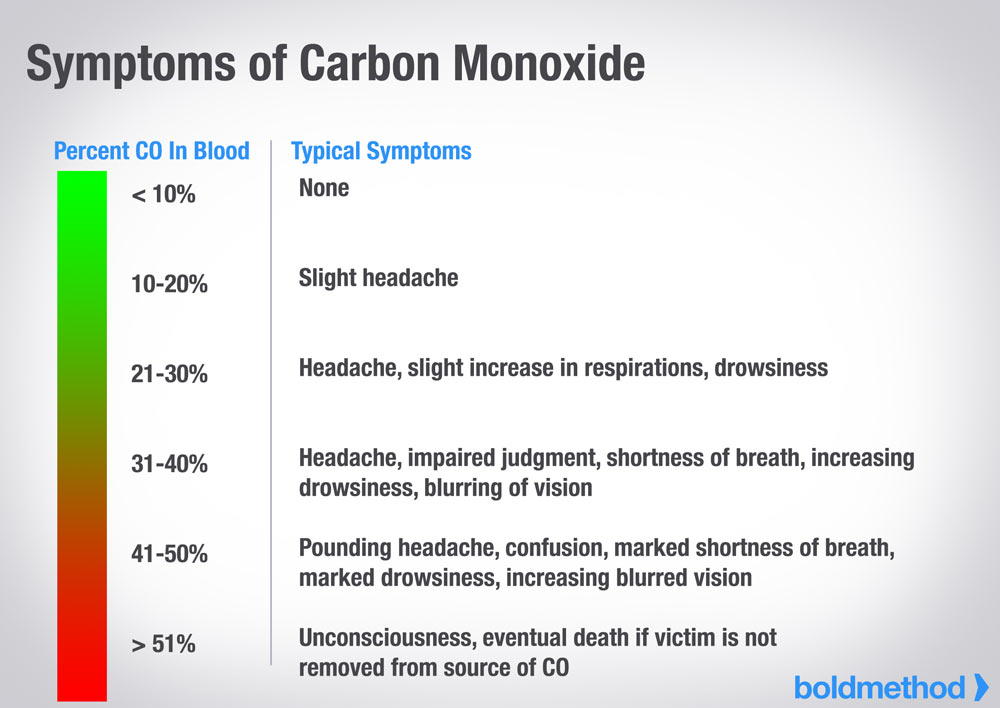
The crucial difference between these normal, ambient CO levels and dangerous concentrations is one of sheer scale and volume. Our bodies are incredibly well-equipped and perfectly designed to handle the trace amounts of carbon monoxide we encounter daily, both from the air and from within.
Our blood’s hemoglobin, that amazing protein responsible for carrying life-giving oxygen, can indeed also pick up carbon monoxide molecules. However, at normal outdoor levels, it's like trying to fill a giant stadium with millions of seats using only one or two tiny flies buzzing around. The flies simply don't stand a chance.

There's simply not enough CO at these very low concentrations to outcompete the abundant oxygen for those precious seats on the hemoglobin. Oxygen easily wins the vast majority of the time, rushing to our cells and keeping our bodies happy, healthy, and oxygenated without effort.
Think of your body as a magnificent, highly efficient clean-up crew, constantly refreshing your blood and effortlessly removing any stray carbon monoxide molecules that might attach. It’s a remarkably robust and self-regulating system, always working to keep you balanced.
"The surprising truth is that our atmosphere is a complex soup, and CO is just one tiny, often harmless, ingredient in the grand, invisible recipe of the air we breathe."
It’s when concentrations become significantly and suddenly higher, typically in enclosed spaces with dangerously poor ventilation, that carbon monoxide transforms into the notorious villain we hear about. This is precisely where those vigilant CO detectors become absolute lifesavers.
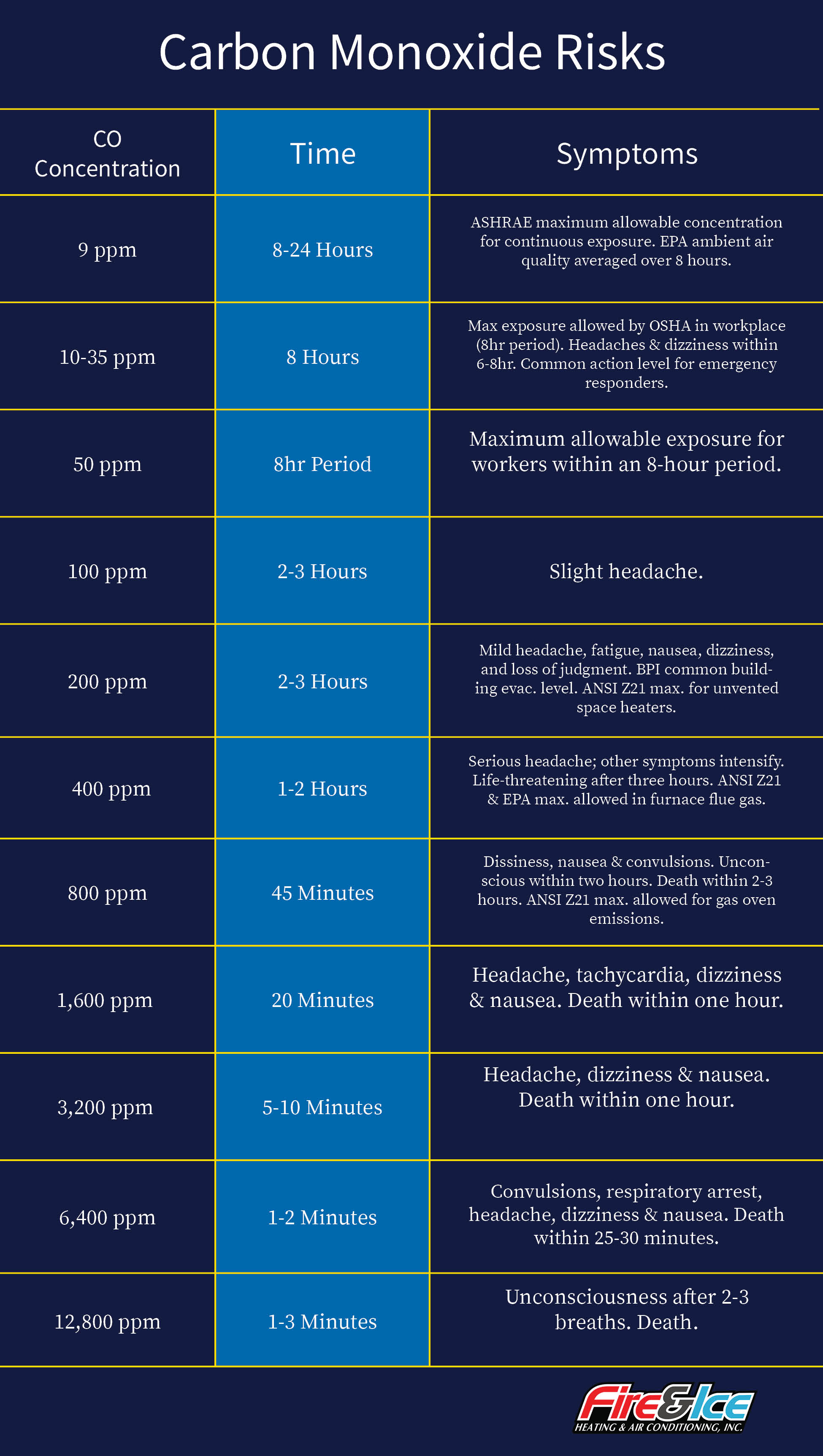
These detectors are specifically designed to sound a loud, unmistakable alarm when CO levels reach hundreds of ppm, a truly alarming and dangerous concentration. This is a far, far cry from the single-digit ppm or even ppb found routinely outdoors. It’s like the difference between a gentle summer breeze and a raging, destructive hurricane.
So, the next time you step outside and take a deep, refreshing breath, take a moment to consider this little secret about our amazing atmosphere. That air, which feels so fresh and clean and invigorating, actually holds a surprising, completely harmless secret within its invisible embrace.
It's a beautiful testament to the incredible, intricate balance of our planet's sophisticated systems, and even our own marvelously adapted bodies. We can coexist so serenely and safely with something so often portrayed as an undeniable threat.

This everyday, natural presence of carbon monoxide in very small, manageable amounts isn't a cause for any alarm or worry, but rather a gentle nudge to appreciate the profound complexity and hidden wonders of the world around us. It's a subtle reminder that not everything is always as it first seems, especially in the realm of invisible gases.
So, go ahead, gather around that crackling campfire, fire up the grill for a joyous gathering, or simply take that routine drive to work. You're simply participating in the grand, natural, and utterly safe cycle of things, a cycle that includes tiny, harmless whispers of CO in the air, everywhere.
It’s a secret shared between you, the vast atmosphere, and every other living thing that inhales and exhales on this planet. And isn't that a rather heartwarming and unexpectedly unifying thought, in its own peculiar, scientific, and wonderfully interconnected way?
The air we breathe isn't just a simple mix of oxygen and nitrogen; it's a wonderfully diverse and dynamic blend of countless gases. Carbon monoxide plays its tiny, often overlooked, but entirely natural role within this intricate dance. It's just part of the everyday magic of breathing and living.
So, next time you hear about CO, remember its fascinating dual nature: the potentially dangerous intruder at dangerously high concentrations, but also the ubiquitous, benign ghost that floats harmlessly around us, every single moment of every single day.
It’s a little piece of natural trivia, a comforting scientific secret, that makes the air feel a bit more alive, a lot more interconnected, and certainly more interesting. Who knew a gas with such a scary reputation could have such a surprising and utterly benign secret life?