
Newest Refinery In The Us
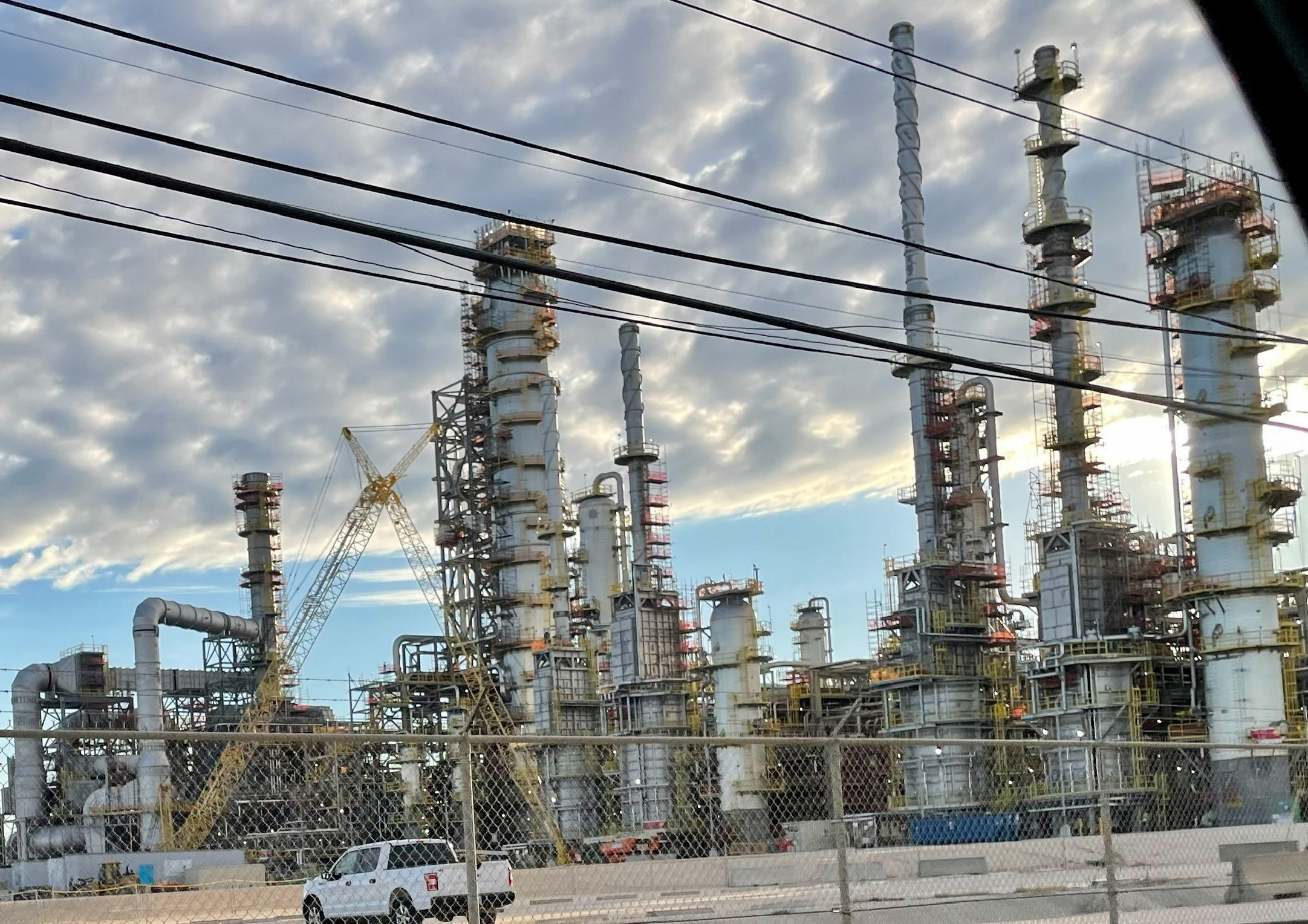
Alright, settle in, because I've got some news that might just make you do a double-take. You know how when you think about giant industrial things in the US, most of them feel like they've been around since, well, forever? Like the Grand Canyon, but made of steel pipes and tanks? Yeah, same.
Well, get this: the US just got a brand-spanking-new oil refinery. No, seriously! In a world where new refineries are about as common as unicorns teaching advanced calculus, this is kind of a big deal. Most of our existing refineries are older than your grandpa's best fishing stories, with some dating back to the 1930s or even earlier!
Hold Up, A New Refinery? In My America?
Yup, you heard right. For decades, the US hasn't built a single, large-scale, greenfield refinery. It's been all about upgrading, expanding, and optimizing the old guard. Think of it like giving your vintage car a fancy new engine and a spoiler, but still keeping the original chassis. But this time, we got a whole new ride!
Must Read
So, where is this magical beast, you ask? Drumroll, please... it's in Corpus Christi, Texas! Because, let's be honest, where else would it be? Texas just gets oil and gas. It's practically written into their state motto, right after "Don't mess with us" and before "We like our BBQ."
The facility we're talking about is often called the Falcon Pass Refinery, although technically it's a condensate splitter. But for our purposes, let's just call it what it functionally is: a place where crude oil (or specifically, condensate) gets broken down into all sorts of useful goodies. Think of it as a giant, super-efficient kitchen that takes one big, unappetizing ingredient and turns it into a whole buffet of delicious energy products.
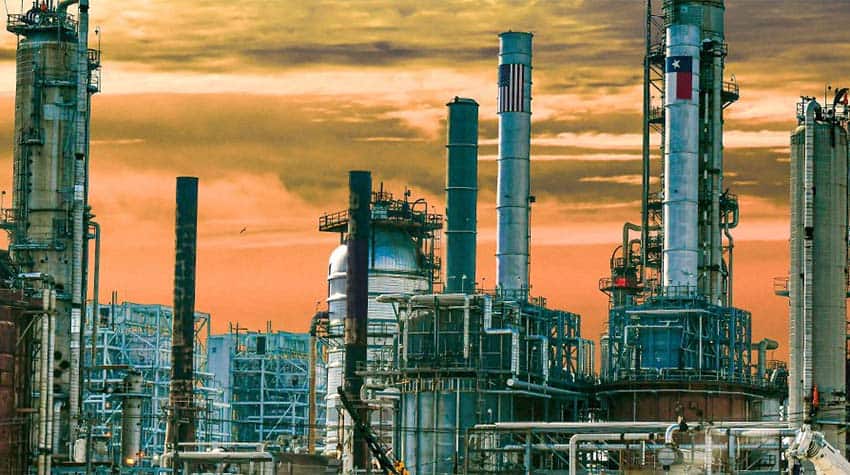
What's So Special About This "New" Kid on the Block?
Well, for starters, it’s new! That means it’s built with all the latest and greatest technology. We’re talking modern safety standards, environmental controls that are light years ahead of older plants, and efficiency that would make even the most seasoned refinery engineer shed a tear of joy. No rusty pipes held together with duct tape and a prayer here!
It also means it’s designed to process a very specific type of crude called condensate. If crude oil were a family, condensate would be the super-light, bubbly teenager that’s easy to get along with. It’s less dense than your average crude, which means it requires slightly different (and often less intensive) processing. This is particularly important because the US has been producing a lot more of this lighter, sweeter crude from places like the Eagle Ford Shale and Permian Basin. Before Falcon Pass, much of this lighter stuff had to be exported, because our older refineries weren’t perfectly set up to handle it or we lacked the domestic capacity to process it all.
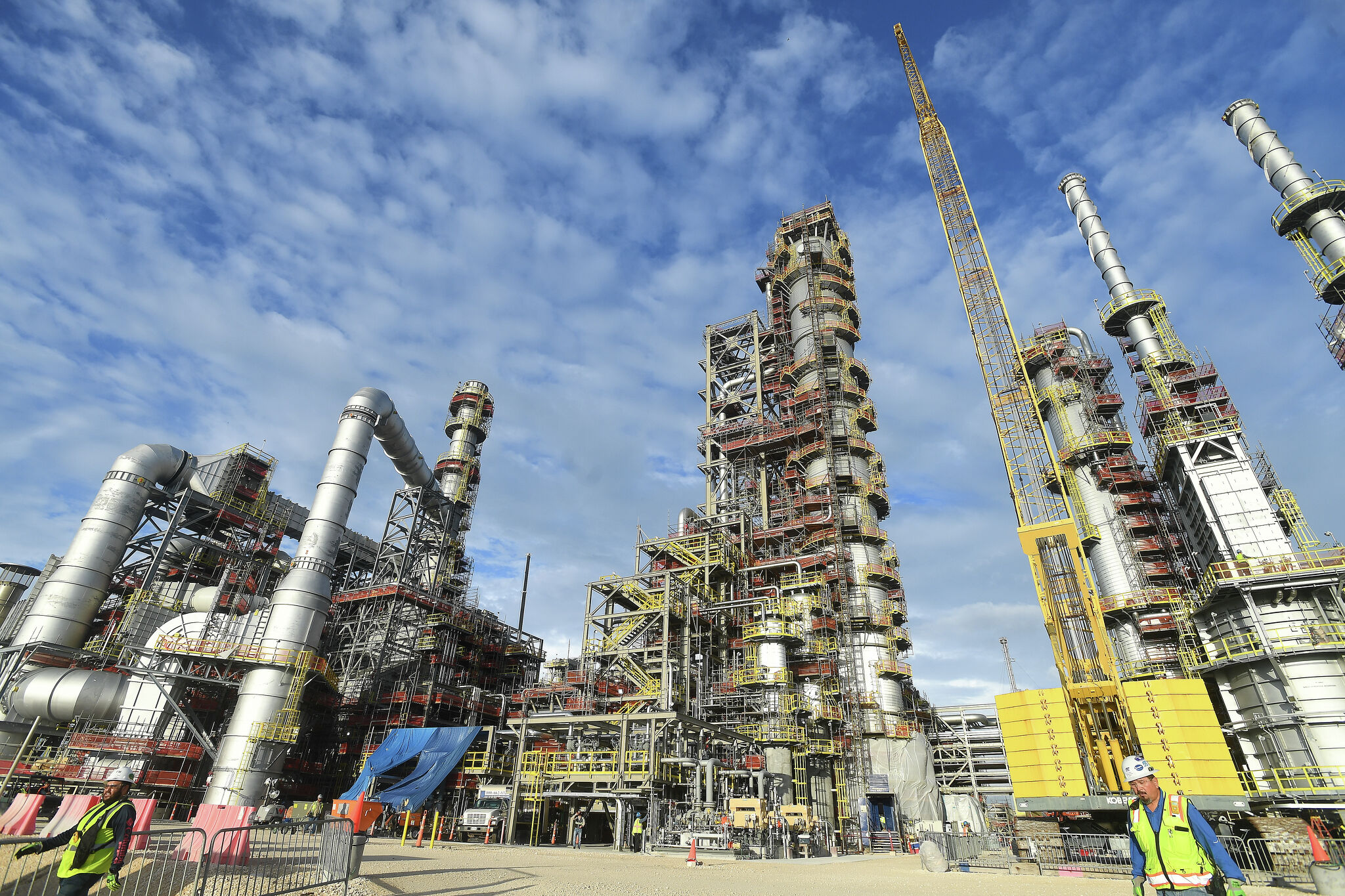
So, what does this state-of-the-art facility actually churn out? It converts that condensate into things like naphtha (which is a building block for plastics and gasoline blending), kerosene (hello, jet fuel!), and diesel. Basically, all the ingredients that keep our cars running, our planes flying, and countless industries humming along. It’s like magic, but with a lot more science and really big pipes.
Why Should We Be Cheering (Besides the "New" Factor)?
This isn't just a win for energy nerds; it's a win for all of us. Firstly, it boosts our energy independence. The more we can process our own resources here at home, the less we rely on other countries. That's a good feeling, right?
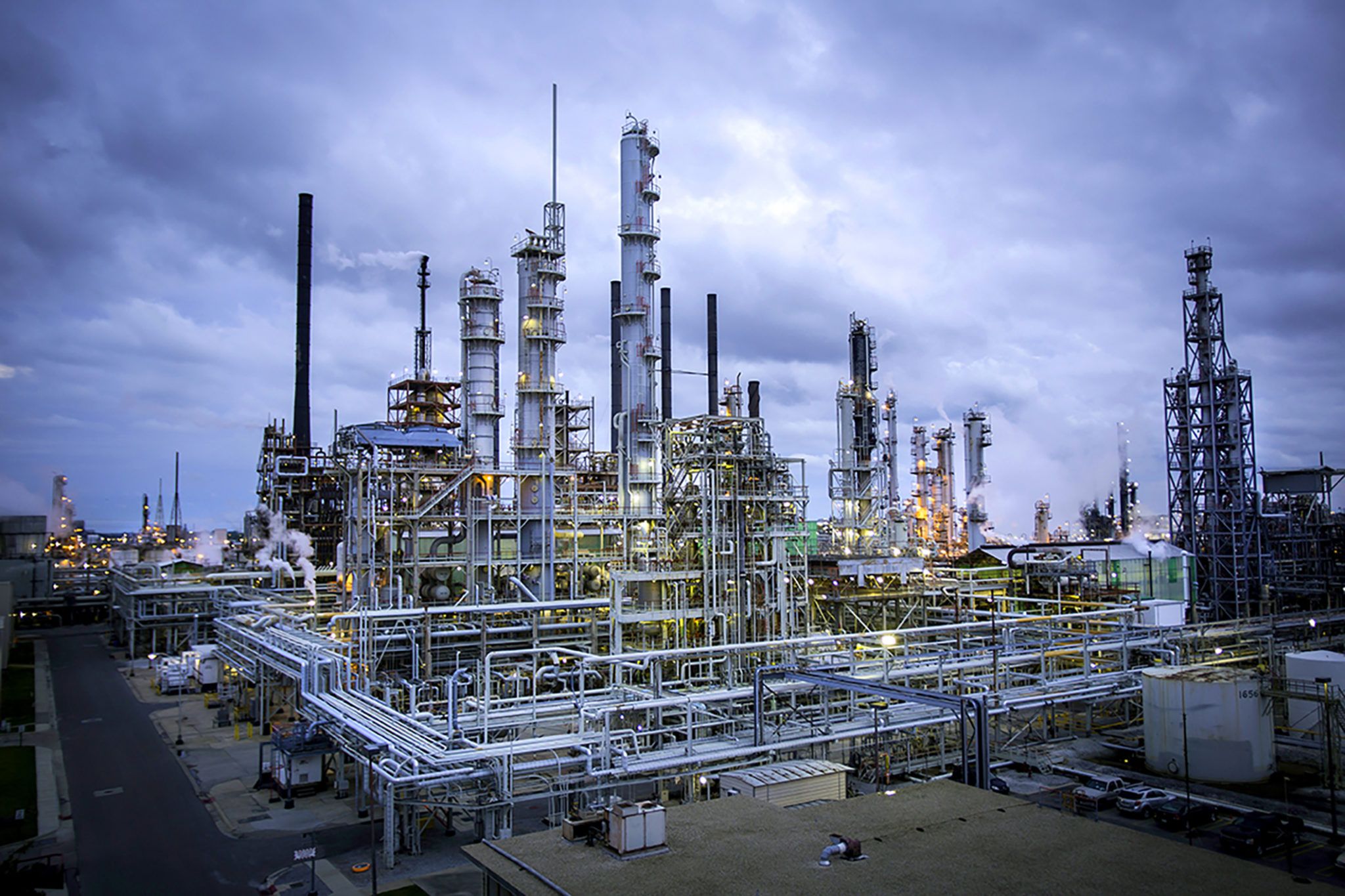
Secondly, it means jobs! Construction jobs, operational jobs, maintenance jobs – all contributing to the local economy in Corpus Christi and beyond. Plus, it solidifies the US's position as a major player in the global energy market. We're not just drilling; we're refining and adding value right here.
And finally, it’s a testament to innovation and progress. Even in a sector often seen as old-school, there's always room for new thinking, new technology, and new facilities that are built for the future. It shows that even monumental tasks like building a refinery can be achieved with modern engineering and a whole lot of elbow grease.
So next time you're filling up your tank or marveling at a plane soaring overhead, give a little nod to the folks in Corpus Christi. Because thanks to the newest refinery in the US, our energy future is looking a little brighter, a little cleaner, and definitely a lot more brand-new than it used to be. It just goes to show, sometimes the oldest industries can still surprise us with something wonderfully fresh and exciting!
