
Most Famous Castle In The World

Okay, so picture this: I'm scrolling through Instagram (as one does), and BAM! Another perfectly filtered pic of that castle pops up. You know the one. The one that practically screams "fairytale" and makes you instantly want to quit your job and become a princess (or a knight, I'm not picky). But seriously, it made me wonder: is it really that amazing in real life, or is it just Instagram hype? And more importantly, is it the most famous castle in the world? Which, you know, is a pretty big claim.
That little Insta-moment sparked a whole journey of castle-research, because frankly, I needed to know. And I’m here to share my findings with you, lovely reader! (Because who doesn’t love a good castle?)
So, Which Castle Reigns Supreme?
After wading through countless articles, travel blogs, and history documentaries (yes, I went there), I've come to a conclusion. While there are many contenders for the “most beautiful” or “most historically significant” castle, when it comes to sheer global recognition, one stands head and shoulders above the rest: Neuschwanstein Castle.
Must Read
Yep, that one. The one that probably just popped into your head. The one that inspired Disney’s Sleeping Beauty castle. The one that makes you think of fairytale weddings and happily-ever-afters (even if you're more of a cynical dragon type, like me sometimes).
But what makes it so famous? It's not the oldest, it's not the biggest, and it certainly hasn't seen centuries of sieges and battles (thankfully!). So, what’s the deal?

The Fairytale Factor: A King's Imagination Gone Wild
First and foremost, let's talk about the dreamy aesthetic. King Ludwig II of Bavaria (aka "Mad King Ludwig," but we'll get to that later) commissioned Neuschwanstein in the late 19th century. He envisioned it as a romantic refuge, a place where he could escape the drab realities of his political life and indulge in his love of art, music, and...well, fairytales! Think medieval knights, Wagnerian operas, and swan-themed everything. Seriously, everything.
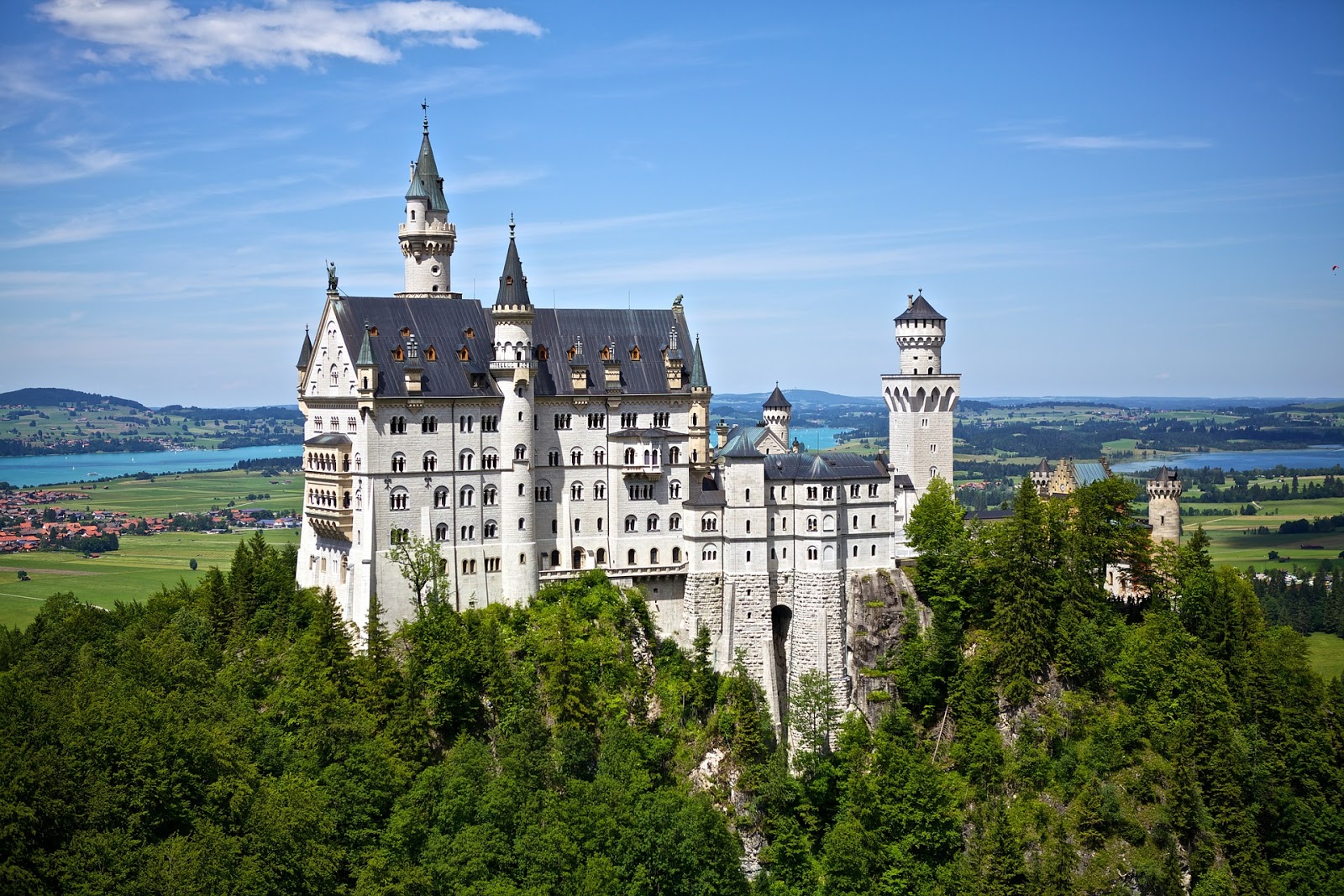
And guess what? It worked! The castle is pure fantasy. It’s perched high on a rugged hill overlooking breathtaking scenery. Its gleaming white walls, ornate towers, and turrets look like something straight out of a storybook. It's the ultimate fairytale castle, and that image has captured the imaginations of people all over the world. Its sheer visual appeal is undeniably a major contributor to its fame.
Side note: Ludwig was a bit of an eccentric (to put it mildly). He bankrupted himself building his dream castle and never actually got to see it fully completed. In fact, he only lived there for a few months before his mysterious death. Talk about a tragic fairytale ending! (Maybe that adds to the mystique? Just a thought.)
Beyond the Beauty: The Power of Pop Culture
But the fairytale factor is only part of the story. Neuschwanstein’s fame has been amplified by its pervasive presence in popular culture. I already mentioned the Disney connection, but it goes beyond that. It's been featured in countless movies, TV shows, advertisements, and postcards. Its image is instantly recognizable, even to people who know nothing about its history or location. You've probably seen it somewhere, even if you didn't consciously register it. It's practically a visual shorthand for "fantasy" and "escape."
Think about it: how many other castles have inspired theme park rides and become a global symbol of magic and wonder? Exactly. Neuschwanstein's cultural impact is undeniable.
Competition is Fierce: Other Famous Contenders
Now, I wouldn’t want to disrespect other impressive castles! There are plenty of worthy contenders for the “most famous” title. Windsor Castle, for example, with its long history and royal connections, is certainly a strong contender. So is Prague Castle, one of the largest ancient castles in the world, steeped in history. And who could forget the imposing Edinburgh Castle, perched atop a volcanic rock, guarding the Scottish capital?
But while these castles are undoubtedly famous and historically significant, they don't quite have the same level of universal appeal and visual recognition as Neuschwanstein. They're more "history book" than "fairytale dream." And let's face it, fairytales sell.

The Verdict: Why Neuschwanstein Still Captivates
Ultimately, Neuschwanstein’s fame boils down to a combination of factors: its stunning beauty, its fairytale inspiration, its tragic history, and its pervasive presence in popular culture. It's a castle that captures the imagination and transports you to another world (even if just for a moment). And in a world that often feels mundane and stressful, that's a pretty powerful draw.
So, is Neuschwanstein really the most famous castle in the world? While fame is subjective and open to interpretation, I’m pretty confident in saying: probably, yes. It's a deserving winner, not just for its architecture, but for its ability to ignite our imaginations and remind us of the power of dreams.
Now, if you'll excuse me, I'm off to browse airline tickets to Germany. Castle-dreaming has made me restless!