
Monocrystalline Vs Polycrystalline Solar Panels Comparison
Hey there, solar curious! Ever found yourself gazing up at a rooftop covered in those sleek, dark rectangles and wondering what’s really going on up there? Beyond just "making electricity from sunshine" (which, let's be honest, is pretty mind-blowing on its own), there’s a whole world of cool tech hidden within each panel. Today, we're diving into a friendly little rumble between two solar titans: Monocrystalline vs. Polycrystalline solar panels.
Think of it like this: you’re trying to pick a new gadget, a car, or even a fancy coffee maker. You want to know the difference, right? Same deal with solar panels! They both do the job, but they do it in slightly different ways, and understanding those nuances can be surprisingly fun.
Meet the Monocrystalline Marvels
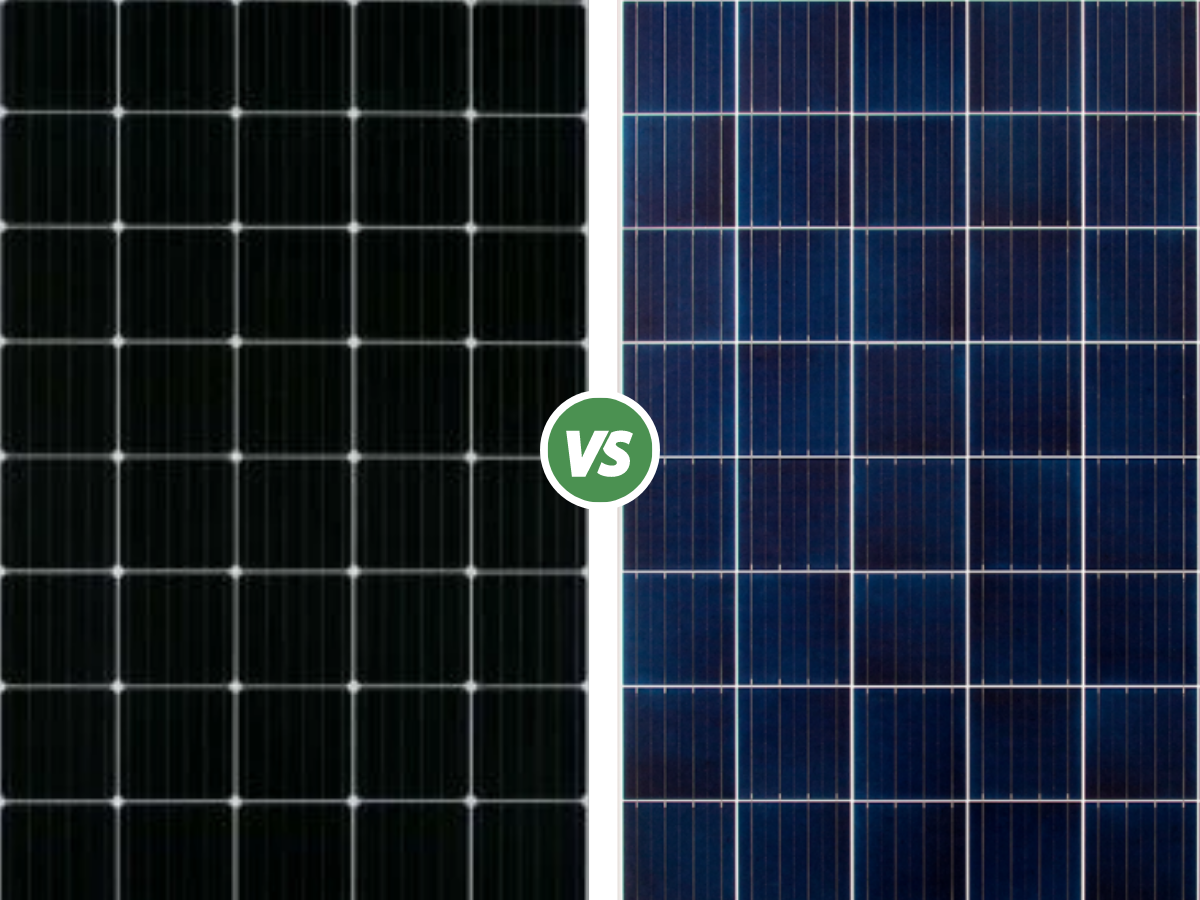
Let's kick things off with the monocrystalline panels. When you see a solar panel that's super uniform, often a deep, dark black, and looks incredibly sleek, chances are you're looking at a monocrystalline panel. These guys are like the solo artists of the solar world – each cell is grown from a single, continuous crystal of silicon.
Must Read
Imagine a giant, perfect silicon ingot, sliced into thin wafers. Because each wafer comes from one perfect crystal, the electrons have a super-smooth, unobstructed path to flow. Pretty neat, huh? This uniformity is what gives them their distinctive look and their impressive performance.
So, what’s the big deal? Well, monocrystalline panels are generally known for their higher efficiency. This means they can convert more sunlight into electricity from a smaller footprint. If you have limited roof space, or if you just want to squeeze every last watt out of the sunshine, these dark beauties often take the crown. They tend to perform a bit better in lower light conditions too, though the difference isn't always huge.
The trade-off? That pure, single-crystal silicon process can be a little more intricate and energy-intensive to produce, which often translates to a slightly higher price tag. Think of them as the high-performance sports cars of the solar world – sleek, powerful, and a bit more of an investment.

Hello, Polycrystalline Powerhouses
Now, let's turn our attention to the polycrystalline panels. You can usually spot these by their slightly bluer hue and a somewhat mottled, mosaic-like appearance. Where monocrystalline panels are all about that single, perfect crystal, polycrystalline panels are the exact opposite: they're made from multiple silicon crystals melted together and then sliced into wafers.
Picture a vat of molten silicon, allowed to cool and crystalize into many interlocking crystals, like a beautiful, abstract artwork. Then, this block is sliced. Each cell isn't one perfect entity, but a collection of many, smaller silicon crystals. This gives them that unique, sparkling blue look, as the light reflects differently off the various crystal boundaries.
So, what's their superpower? Polycrystalline panels are generally more affordable to produce. The manufacturing process is less complex and uses less energy, which is great for your wallet. They're often seen as the workhorses of the solar world – reliable, sturdy, and excellent value.
The main difference you'll notice is that they're typically a bit less efficient than their monocrystalline cousins. Because the electrons have to navigate around the boundaries of all those different crystals, their path isn't quite as smooth. This means you might need a few more polycrystalline panels to generate the same amount of electricity as fewer monocrystalline panels. If you have plenty of roof space, however, this isn't usually an issue at all!

The Big Showdown: What's the Real Difference?
Let’s break it down into the nitty-gritty, because that’s where the fun comparisons really shine:
1. The Look:
Monocrystalline: Think deep, uniform black. Very sleek. Like a designer watch.
Polycrystalline: Often has a distinctive blue tint and a slightly textured, mosaic appearance. More rugged charm. Like your favorite pair of dependable jeans.
2. The Efficiency Game:
Monocrystalline: Generally more efficient, typically ranging from 17-22% or even higher. They make more power per square foot.
Polycrystalline: Usually a bit lower, in the 15-17% range. They need a little more surface area to produce the same amount of energy.
3. Your Wallet's Say:
Monocrystalline: Tends to be pricier upfront due to the more complex manufacturing process. But sometimes, their higher efficiency means you need fewer panels overall, which can balance things out.
Polycrystalline: Typically more budget-friendly. Great for those who want to go solar without breaking the bank, especially if space isn't a huge concern.
4. Space on the Roof (or wherever!):
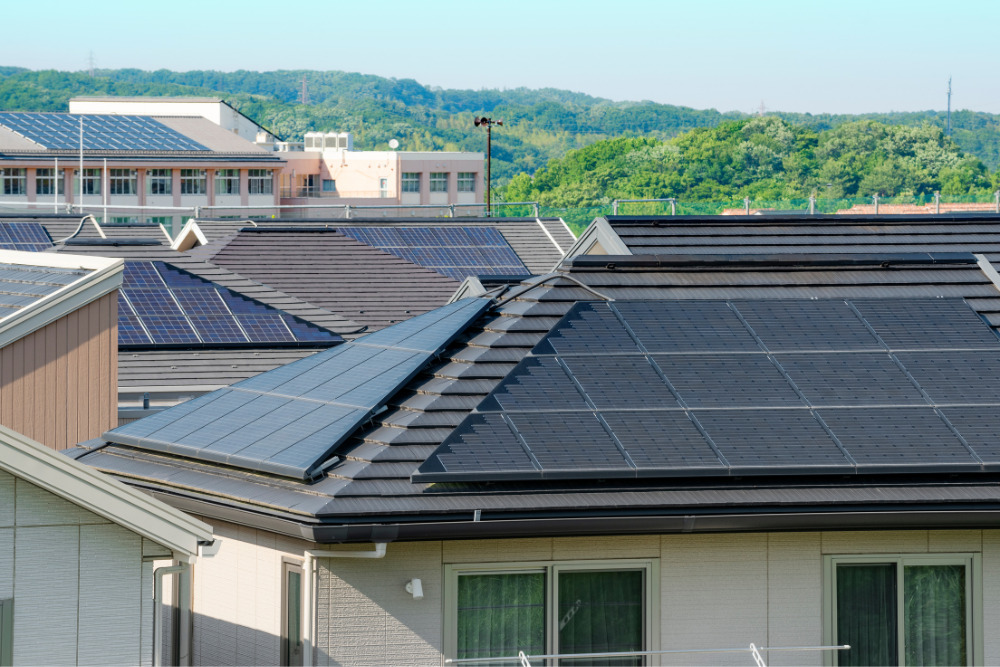
Monocrystalline: Ideal if your roof is smaller or has tricky angles, as they deliver more power from less space.
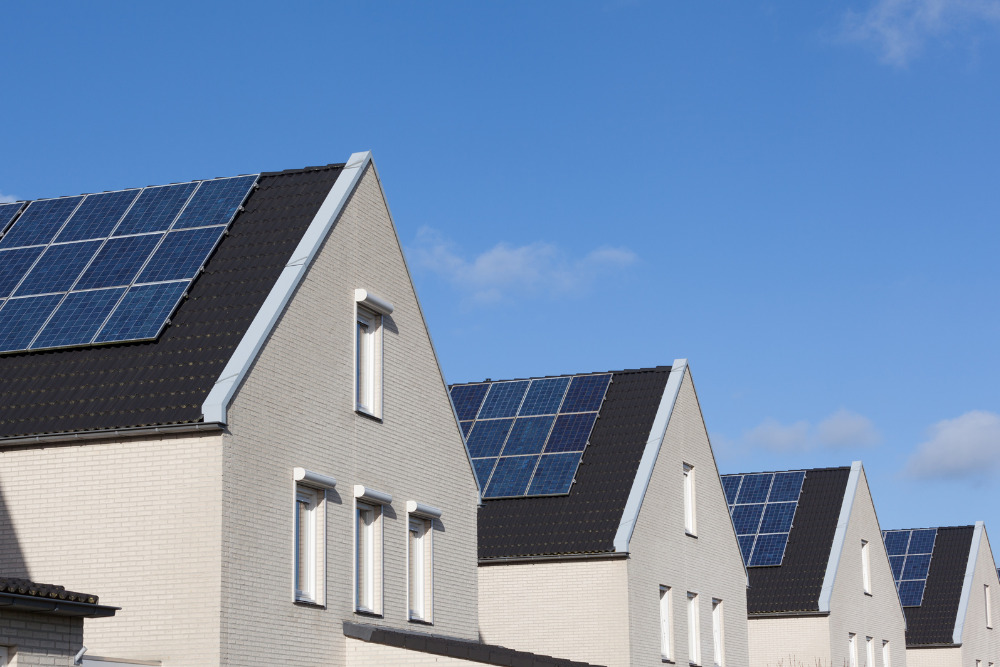
Polycrystalline: A fantastic choice if you have ample space and want to maximize your energy production for a lower initial cost.
So, Which One Wins?
Here’s the glorious truth: there’s no single "winner" in this friendly solar showdown! Both monocrystalline and polycrystalline panels are incredible technologies that are helping us harness the sun's power. The "best" panel for you really boils down to your specific needs and priorities.
- Got a tight roof and want maximum power? Monocrystalline might be your sleek companion.
- Looking for fantastic value and have plenty of sunny space? Polycrystalline could be your reliable partner.
Ultimately, both types are robust, durable, and designed to last for decades, steadily converting sunlight into clean energy for your home or business. The most important thing is simply going solar!
Isn't it fascinating how even within the seemingly simple concept of a "solar panel," there’s so much cool science and clever engineering at play? The next time you spot one, you’ll know a little more about the crystalline heart beating within. Stay curious, sun chaser!