Monocrystalline Silicon And Polycrystalline Silicon Solar Panels
David Brown
Imagine your roof isn't just a hat for your house, but a stage where silent superheroes are busy transforming sunshine into the power that brews your coffee and charges your phone. We often see these sleek, shiny rectangles and think, "Solar panel!" But did you know there's a fascinating, almost whimsical world hidden beneath their glass surfaces? It’s a tale of two dazzling performers, each with its own unique charm and origin story.
Our journey begins not with complicated diagrams, but with humble grains of sand, destined for greatness. From this everyday material, we coax out `silicon`, a true marvel. It’s the star ingredient in both our solar celebrity siblings, but how they’re put together makes all the difference in their looks and personalities.
The Dashing Dynamo: Monocrystalline Panels
First, let’s meet the elegant member of the family: the `monocrystalline` solar panel. Picture a world-class athlete, sleek and perfectly sculpted. That’s our mono panel.
These panels are crafted from a single, continuous crystal of silicon. Imagine growing a giant, flawless crystal, much like a meticulous gardener cultivating a prize-winning rose. This careful, uninterrupted growth gives them their distinctive look.
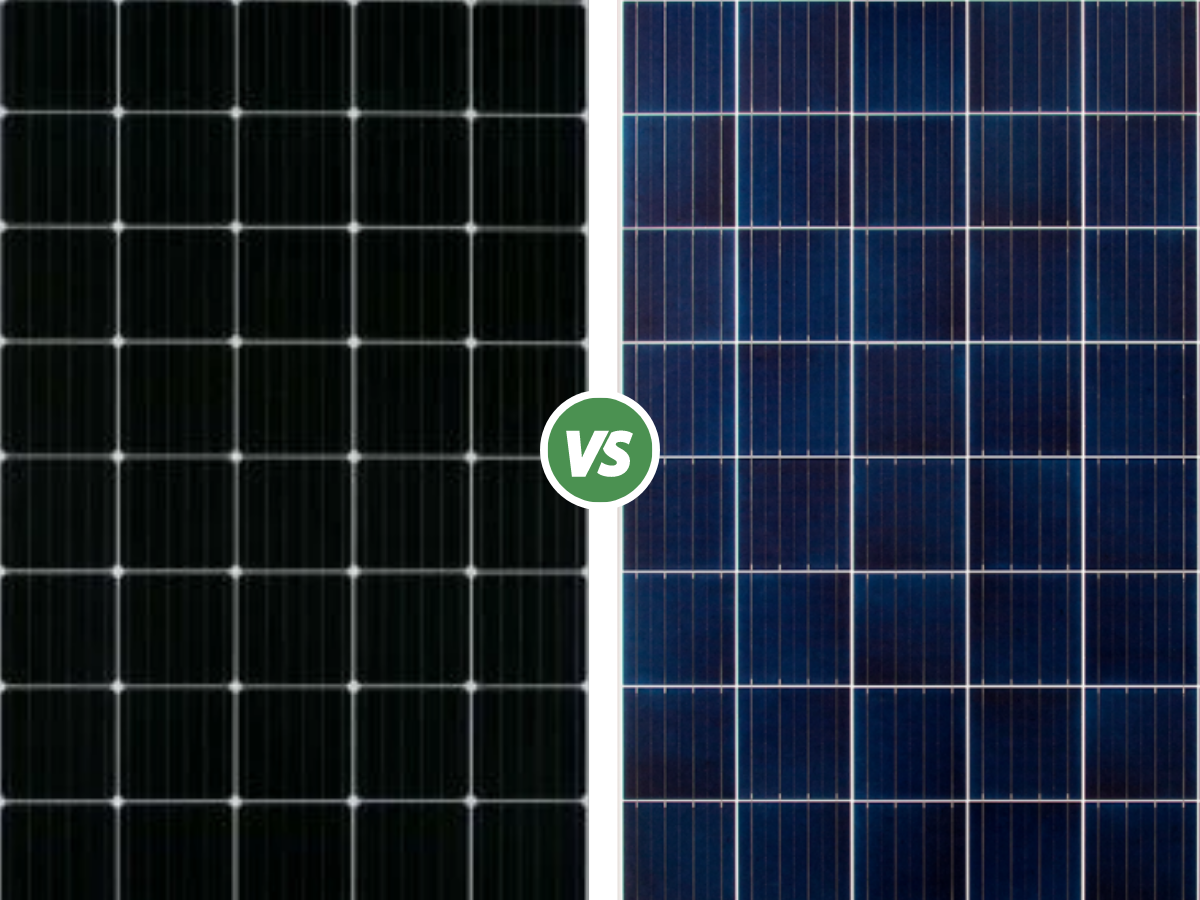
They boast a uniform, deep black color, often so dark they seem to absorb all light, even the light in your gaze! This sophisticated appearance isn't just for show; it's a badge of their incredible efficiency.
Because they're made from one unbroken crystal, the electrons have a super-smooth highway to travel when sunlight hits them. No bumps, no detours! This means they are incredibly good at converting sunlight into electricity, especially when the sun is shining bright and strong, like on a perfect summer day.
Think of them as the perfectionists of the solar world. They shine brightest under ideal conditions, delivering peak performance with a quiet dignity. Their precision makes them a top choice for homes where space is a premium, maximizing every ray of sun.
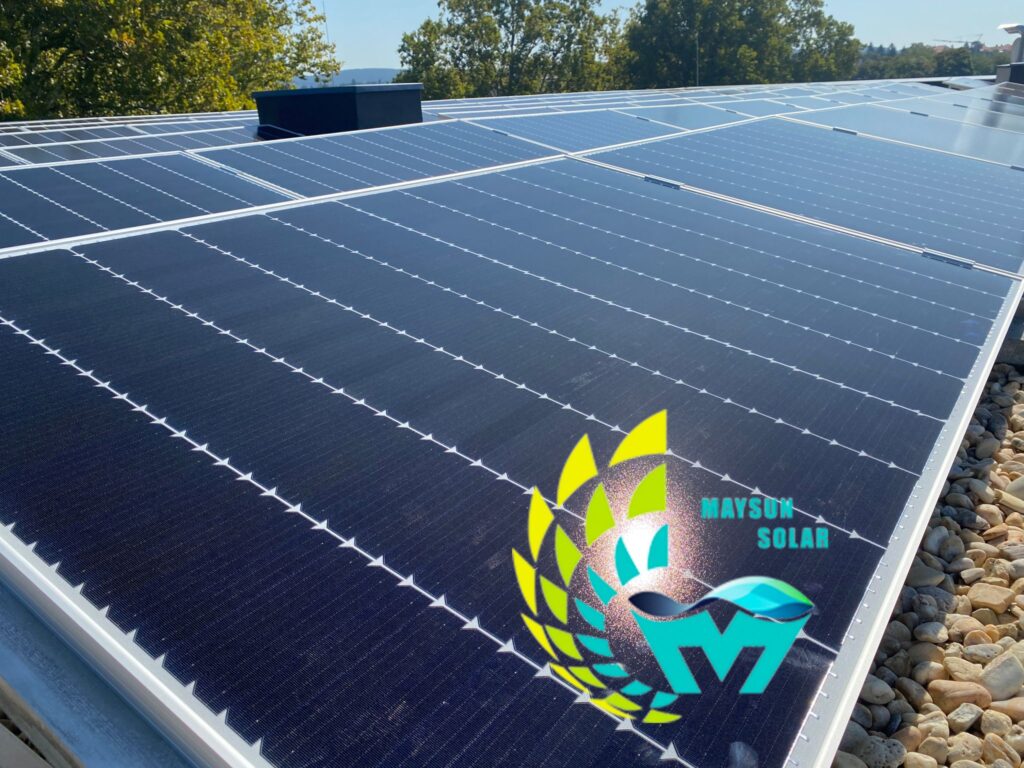
Solar panel types and differences: monocrystalline silicon
"I prefer my sunshine undiluted, thank you very much," a sophisticated monocrystalline panel might hum, basking in the midday glow.
They are the quiet achievers, working diligently to power our homes with impressive grace. It's heartwarming to think of the meticulous care that goes into creating these powerhouses, turning simple sand into such a high-performing hero.
The Friendly Powerhouse: Polycrystalline Panels
Next up, we have the equally charming, but distinctly different, `polycrystalline` solar panel. If the mono panel is a sleek sports car, the poly panel is a robust, reliable SUV – always ready for an adventure.
Instead of one big crystal, these panels are made by melting many silicon fragments together and letting them cool. It’s like gathering a whole community of smaller crystals and letting them settle into a beautiful mosaic. This process is a little less fussy, a bit more "come one, come all."
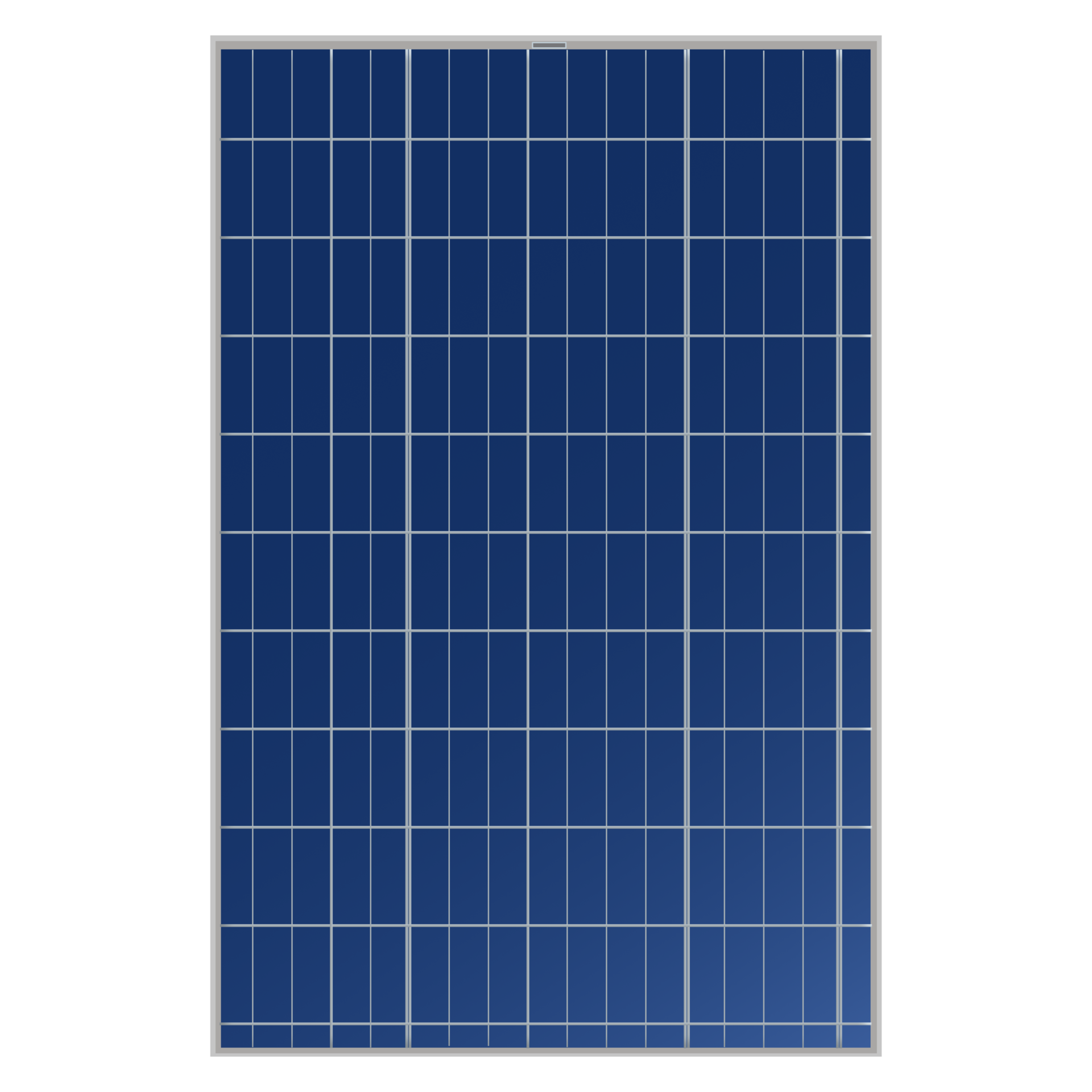
Polycrystalline Solar Panel Polycrystalline Silicon Solar Cells
Their appearance tells this story beautifully. You'll notice their signature blue hue, often with a slightly speckled or shimmering pattern. This isn't a defect; it's the visible texture of those many silicon crystals, each catching the light in its own unique way. It’s like a tiny patchwork quilt of power!
While the electrons might have a few more "neighborhood streets" to navigate compared to their mono cousins, these panels are incredibly reliable. They're like the friendly neighbor who's always there, even when things aren’t absolutely perfect.
Polycrystalline panels are often more budget-friendly, making solar power accessible to even more homes. They're a fantastic choice for those who want a robust, proven performer without needing the absolute highest efficiency in a tiny footprint.
"We're a team! All these little crystals working together. That's the secret to our charm," a bubbly polycrystalline panel might cheerfully exclaim from its rooftop perch.
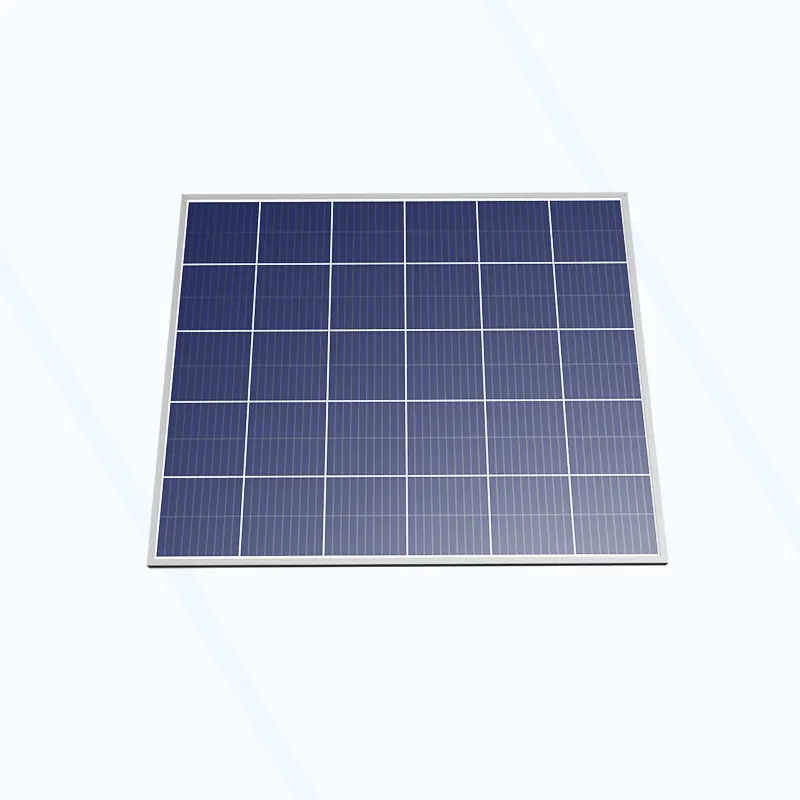
Polycrystalline solar panels - HIHEE
Their story is one of delightful collaboration, proving that sometimes, many small parts working together create something truly wonderful. It’s a testament to the idea that there's more than one path to excellence, and often, the most inclusive path is a very powerful one.
A Tale of Two Silicon Hearts, Beating for Our Planet
So, there you have it: two distinct personalities, both starting from humble sand, both dedicated to the same incredible mission. It's not about which one is "better" in a grand sense, but about which one is the perfect fit for your home's unique needs and your specific sunny patch of the world.
The `monocrystalline` panel, with its sleek dark elegance, offers top-tier performance for smaller spaces or those chasing every last watt. It’s the sophisticated choice, performing like a true solar virtuoso.
The `polycrystalline` panel, with its friendly blue sparkle, offers reliable power and excellent value. It’s the community hero, bringing clean energy to a wider audience with its approachable charm.
Solar panel types: mono, poly and amorphous silicon panels.
What's truly heartwarming is that no matter which solar sibling graces your roof, they share a common goal. They are both quiet heroes, working tirelessly, day in and day out, to harness the most abundant, clean energy source known to humankind: our very own sun.
From tiny grains of sand, carefully nurtured into powerful crystals, these panels stand as a testament to human ingenuity and our collective desire for a brighter, cleaner future. They transform sunlight, silently and efficiently, into the energy that makes our modern lives hum.
So, the next time you glance at a solar panel, take a moment to appreciate the fascinating story behind its surface. Whether it’s the sleek perfectionist or the friendly team player, each one is a little piece of magic, a silent promise from our roofs to a more sustainable world.
They’re more than just technology; they’re symbols of hope, powered by the sun and brought to life by the surprising versatility of `silicon`.