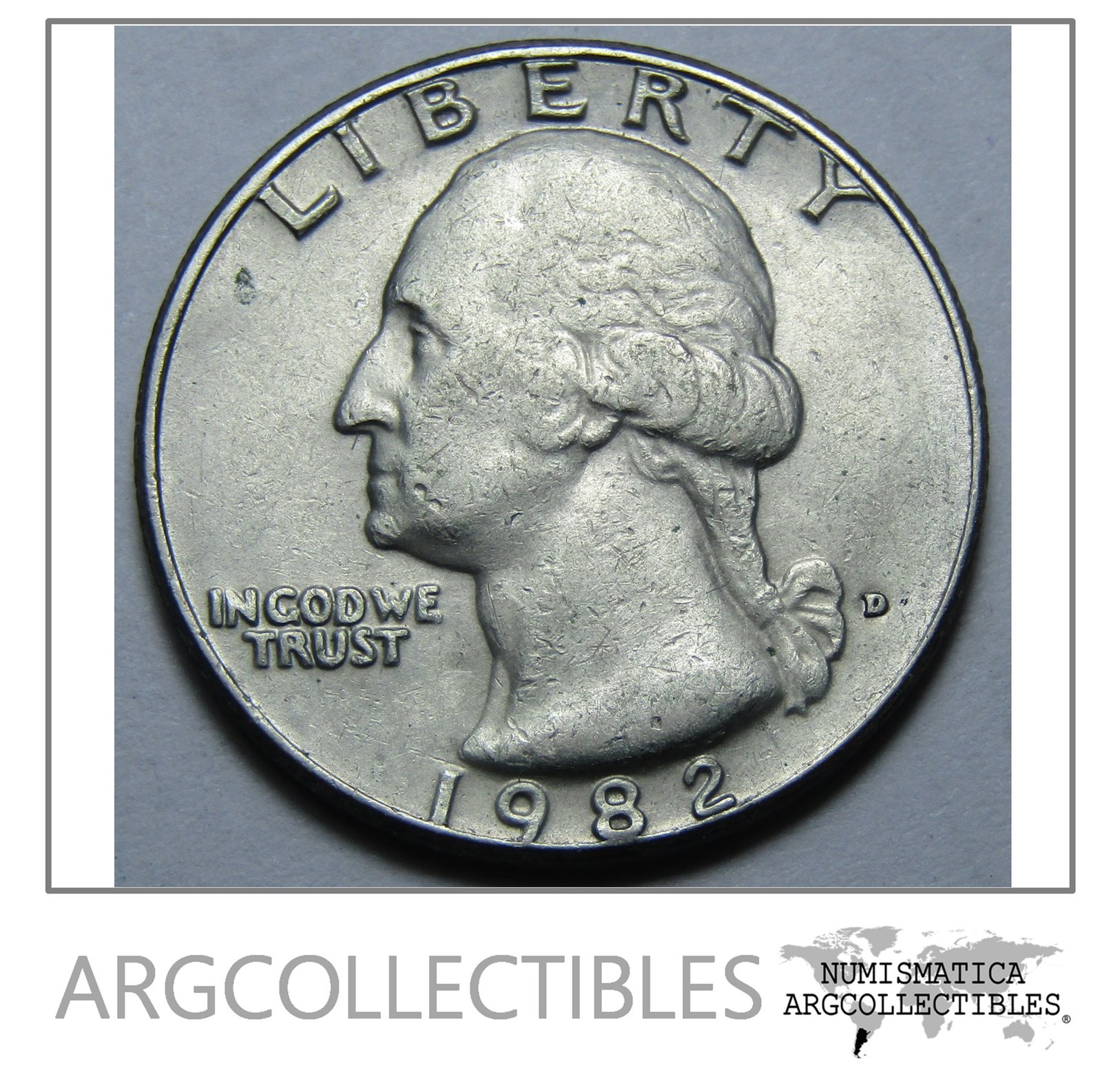
Monedas De Plata De 25 Centavos De Estados Unidos
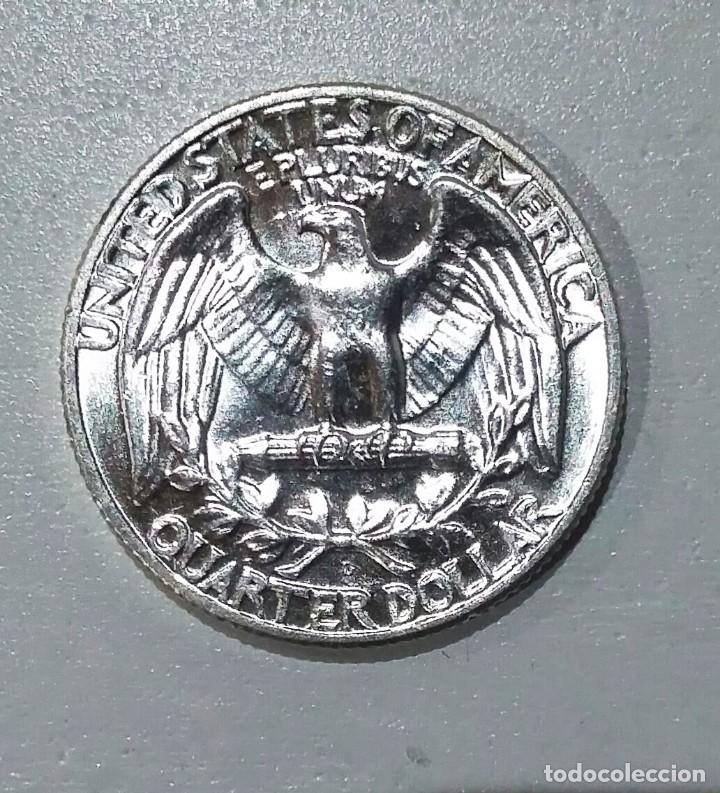
Okay, picture this: I'm digging through my couch cushions (as one does, searching for lost treasures...or just spare change) and I pull out a quarter. But this wasn't just any quarter. It felt… different. Heavier. And shinier, like it was judging all the other dull pennies and nickels in my hand. That's when I realized: I’d stumbled upon a silver quarter! Cue the Indiana Jones music.
That little discovery sent me down a rabbit hole (as discoveries often do). Turns out, those seemingly ordinary 25-cent pieces can sometimes be anything but ordinary. We're talking about US silver quarters, folks! And they're way more interesting than you might think. (Seriously, way more. Who knew coins could be so fascinating?)
The Allure of Silver
So, what makes a silver quarter so special? Well, the key is the silver content. Back in the day, pre-1965 to be exact, US quarters were made of 90% silver and 10% copper. This gave them a distinctive look and feel, and of course, a higher intrinsic value than the clad (copper-nickel) quarters we use today.
Must Read
Think about it: silver prices fluctuate, but they generally hold their value over time. A silver quarter isn’t just 25 cents; it’s a small piece of precious metal. That's why collectors get so excited about them. And honestly, who doesn’t like the idea of holding something with inherent value? It's like having a tiny, portable treasure chest!
How to Spot a Silver Quarter
Now, you’re probably wondering, "How do I know if my quarter is silver?" Great question! Here are a few tell-tale signs:

- The Date: This is the easiest way. If the quarter was minted in 1964 or earlier, it's highly likely to be silver. (Unless someone’s really crafty and swapped the dates, but let's not get into conspiracy theories just yet).
- The Edge Test: Look closely at the edge of the quarter. Clad quarters have a distinct copper stripe sandwiched between the nickel layers. A silver quarter, however, will have a solid silver-colored edge. (Get your magnifying glass ready!)
- The Weight Test: Silver quarters weigh slightly more than clad quarters. A silver quarter clocks in at around 6.25 grams, while a clad quarter weighs about 5.67 grams. (A kitchen scale can be your new best friend.)
- The Ring Test: Okay, this one's a bit more subjective. When you drop a silver quarter onto a hard surface, it should produce a longer, higher-pitched ring compared to the dull thud of a clad quarter. (Practice makes perfect!)
Important note: There are also some errors and varieties out there that can make a quarter even more valuable, like double dies or missing mint marks. But for beginners, focusing on the date and edge test is a good starting point.
Why Were They Discontinued?
So, why did the US government stop using silver in quarters? The short answer: economics. The price of silver rose significantly in the 1960s, making it too expensive to continue using it in circulating coinage. So, in 1965, the government switched to the clad composition we still use today. (Goodbye, shiny silver; hello, copper-nickel sandwiches!)

Are They Worth a Fortune?
Hold your horses! While silver quarters do have inherent value due to their silver content, they're not necessarily going to make you rich overnight. The value depends on several factors, including the silver spot price, the coin's condition, and its rarity.
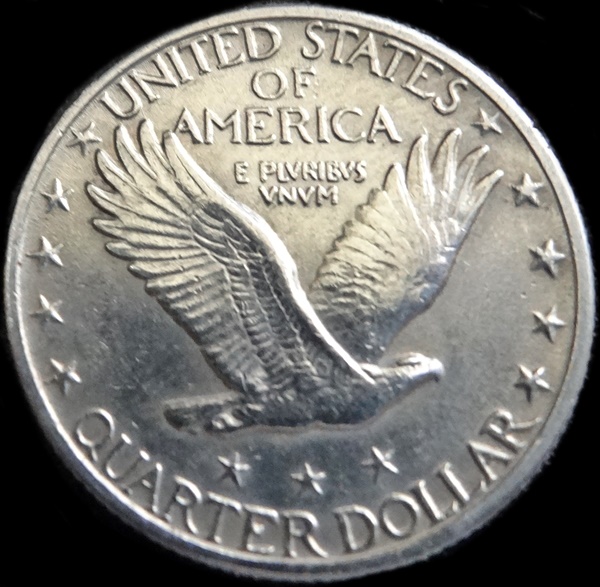
Common date silver quarters in circulated condition are generally worth a few dollars each. However, rare dates, mint marks, or coins in uncirculated condition can fetch significantly higher prices. Do your research! A good resource is a coin value guide, which you can find online or at your local library.
Where Can You Find Them?
Okay, the burning question: Where can you find these silver treasures? Well, you can try these:
- Your Piggy Bank: Hey, you never know! Start rummaging through that coin jar. It's like a mini treasure hunt!
- Coin Shows and Auctions: This is where serious collectors hang out. You might find some rare gems here.
- Coin Dealers: Reputable coin dealers can help you identify and appraise your coins. (And they probably have some silver quarters for sale, too!)
- Grandma's Attic: Just kidding... mostly. But hey, it's worth a shot!
The thrill of the hunt is half the fun! So, start checking those quarters. You might just discover a little piece of silver history hiding in your pocket.
And hey, even if you don't find a fortune, you'll have learned something new about US coinage. That's a win in my book! (Now, if you'll excuse me, I'm going back to searching my couch cushions...)