
Mom Teaching Son About Sex
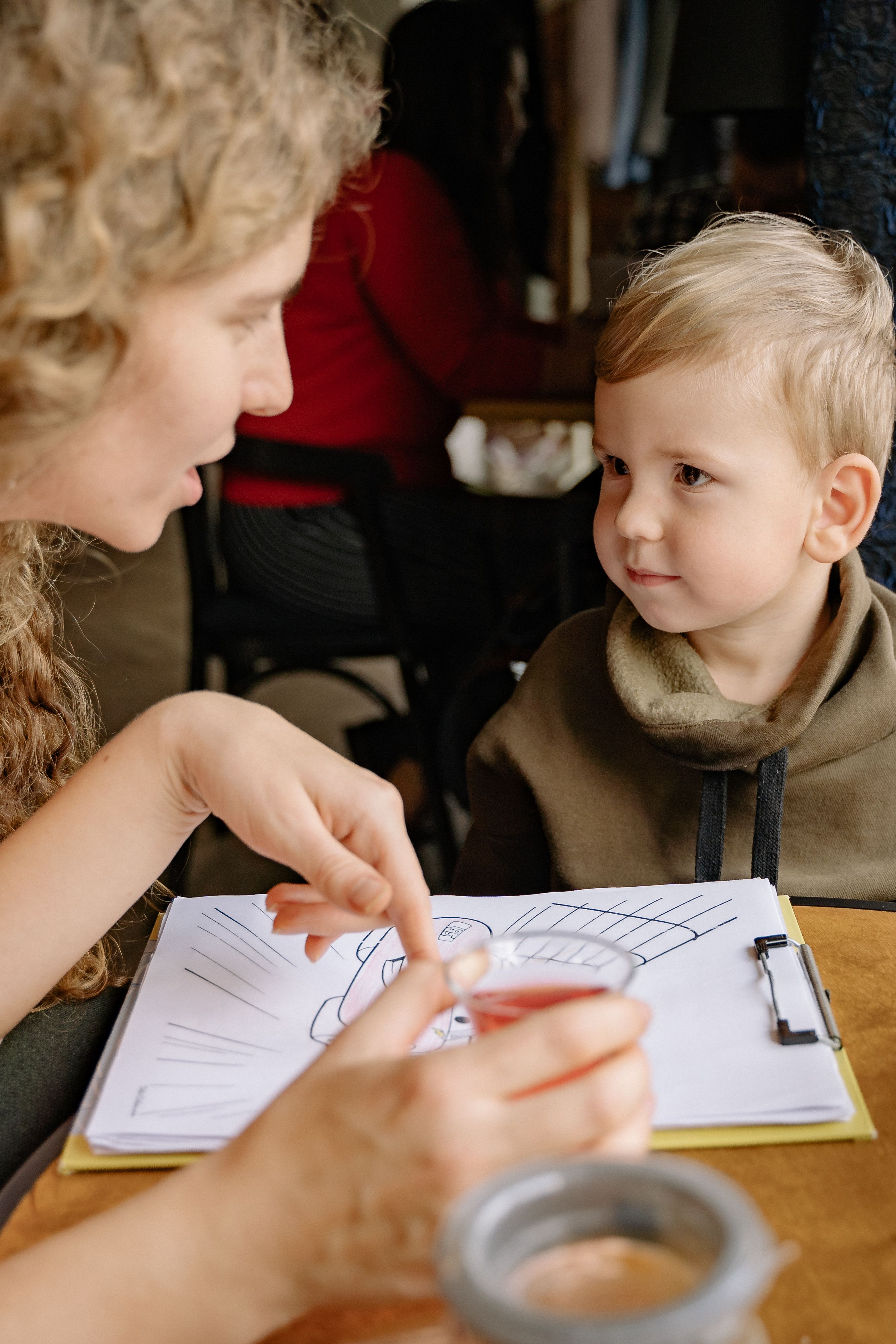
Okay, folks, let's talk about "The Talk." You know, the one where Mom (or a trusted adult – we're inclusive here!) attempts to explain the birds and the bees to a bewildered, possibly mortified, son. It's a rite of passage, a comedic goldmine, and frankly, a necessity.
Picture this: You, Mom, are armed with a vague understanding of reproductive biology gleaned from high school and late-night cable documentaries. He, Son, is armed with the internet and a deep-seated fear that you're about to reveal embarrassing family secrets. The stage is set for awkwardness of epic proportions!
The Art of the Approach
First things first, ditch the powerpoint presentation. Nobody, and I mean nobody, wants to see diagrams of fallopian tubes at 3 pm on a Tuesday. Keep it casual. Maybe bring it up while you're folding laundry, or driving to soccer practice. The key is to sneak it in before he realizes what's happening. Think ninja-level stealth parenting.
Must Read
"So, About Those Birds..."
The traditional metaphors are classics for a reason. "Birds and bees" is vague enough to be non-threatening, yet suggestive enough to pique their interest. You could also try: "Remember that documentary about salmon spawning? It's kind of like that, but with significantly less swimming upstream." See? Engaging! Relatable!
Avoid the urge to go into excruciating detail. Think of it like giving directions: highlight the main landmarks and leave the back alleys for later exploration (preferably done through reputable sources, not shady corners of the web). Start with the basics: bodies change, hormones rage, and sometimes, things get messy. Metaphorically and… well, sometimes literally.

Navigating the Minefield of Questions
Prepare yourself. They will have questions. Some will be genuine inquiries, some will be thinly veiled attempts to shock you, and some will be so bizarre you'll question your entire parenting philosophy.
The key here is honesty. Not too much honesty, mind you. Spare him the details of your dating history (unless you're aiming for maximum cringe). But don't lie. If you don't know the answer, admit it! Say something like, "That's a great question! Let's look that up together." This teaches them to seek out reliable information and avoids perpetuating myths.
Be prepared for the inevitable: "But why?" This is where your inner philosopher comes out. "Why do we need to eat? Why do we sleep? Why does the universe exist?" These are all valid questions, and the answer is usually: "Because, science!" (Okay, maybe elaborate a little more than that, but you get the idea.)

Important note: Don't be afraid to use humor! A little self-deprecating wit can go a long way in diffusing tension. For instance, if he asks about "protection," you could say, "Well, when your father and I were young…" (dramatic pause) "...we relied heavily on hope and crossed fingers! Just kidding! Use condoms!"
The Ongoing Conversation
Remember, "The Talk" isn't a one-time event. It's an ongoing conversation, a series of smaller talks scattered throughout adolescence (and beyond!). As they grow and mature, their questions will evolve, and so should your answers.

Make yourself approachable. Let them know they can come to you with their concerns, no matter how embarrassing or awkward they may seem. Create a safe space where they feel comfortable asking questions and expressing their feelings. This is crucial for building trust and ensuring they have accurate information.
And finally, remember to breathe! This is a challenging but ultimately rewarding experience. You're helping your son navigate a complex and sometimes confusing world, and that's something to be proud of. Plus, years from now, you'll have plenty of hilarious anecdotes to share at family gatherings. Just picture it: "Remember that time Mom tried to explain the clitoris using a kitchen sponge?" Comedy gold!
So go forth, brave parents! Embrace the awkwardness, wield your knowledge (however limited!), and prepare for a wild ride. You've got this! And remember, even if it feels like you're failing miserably, you're probably doing better than you think. After all, you're talking! And that's half the battle. Now, if you'll excuse me, I need to go practice my "birds and bees" explanation. Wish me luck!
