
Molar Mass Of Benzoic Acid
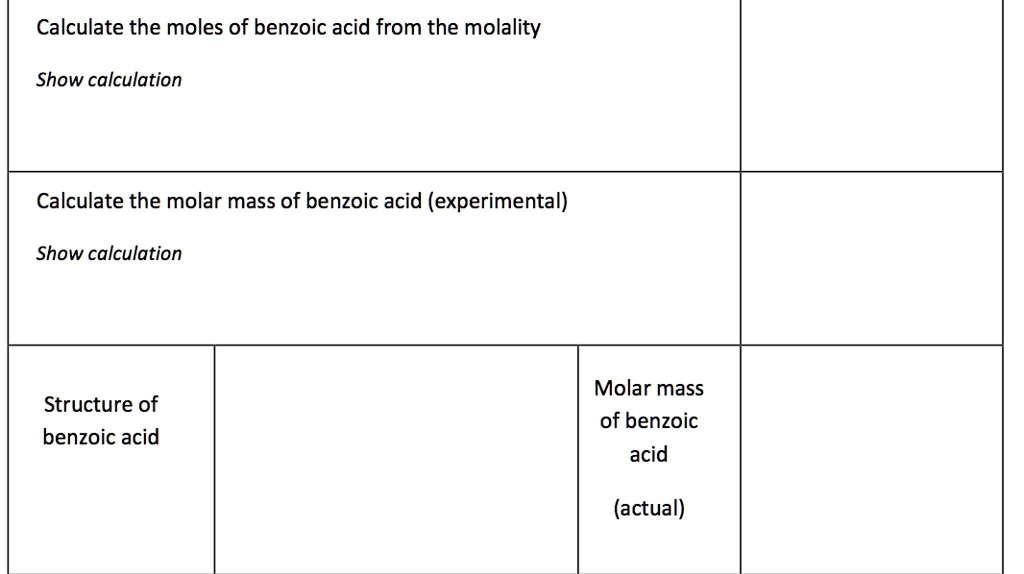
Ever heard of benzoic acid? Probably not while scrolling through cat videos. But trust me, it's more exciting than you think! Think of it as the unsung hero of your kitchen and bathroom.
The Mysterious Molar Mass
Now, let's tackle the term that might make your eyes glaze over: molar mass. It's basically the weight of one mole (a huge number!) of a substance. Imagine trying to weigh a mole of grains of sand! That's a lot of sand.
But why is this important? Well, imagine you're baking a cake. You need the right amount of each ingredient, right? Molar mass helps us figure out those "right amounts" in chemistry. It's the recipe card for molecules!
Must Read
Unpacking Benzoic Acid's Weight
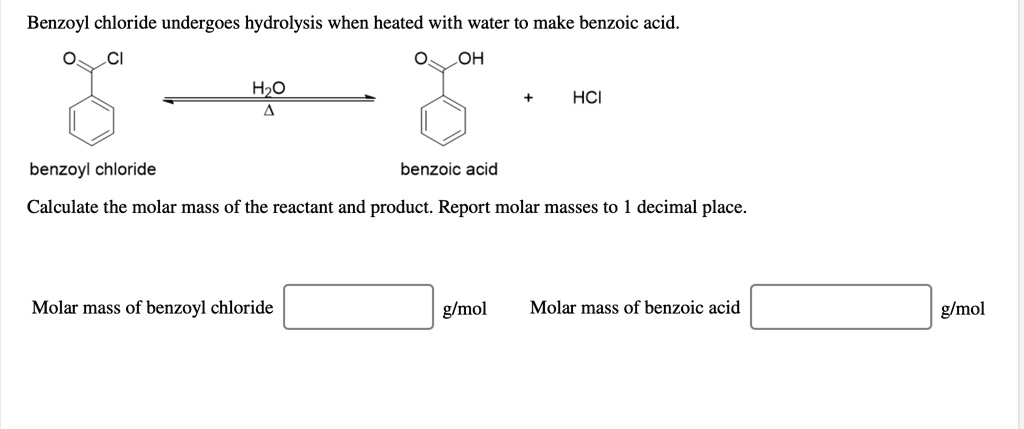
Benzoic acid isn't some alien substance. It's a real compound with a chemical formula: C7H6O2. Think of it as a tiny LEGO set, with carbon (C), hydrogen (H), and oxygen (O) pieces all snapped together.
To find its molar mass, we need to know the atomic weights of each element. Carbon is about 12, hydrogen is about 1, and oxygen is about 16. These are like the individual weights of each LEGO brick.
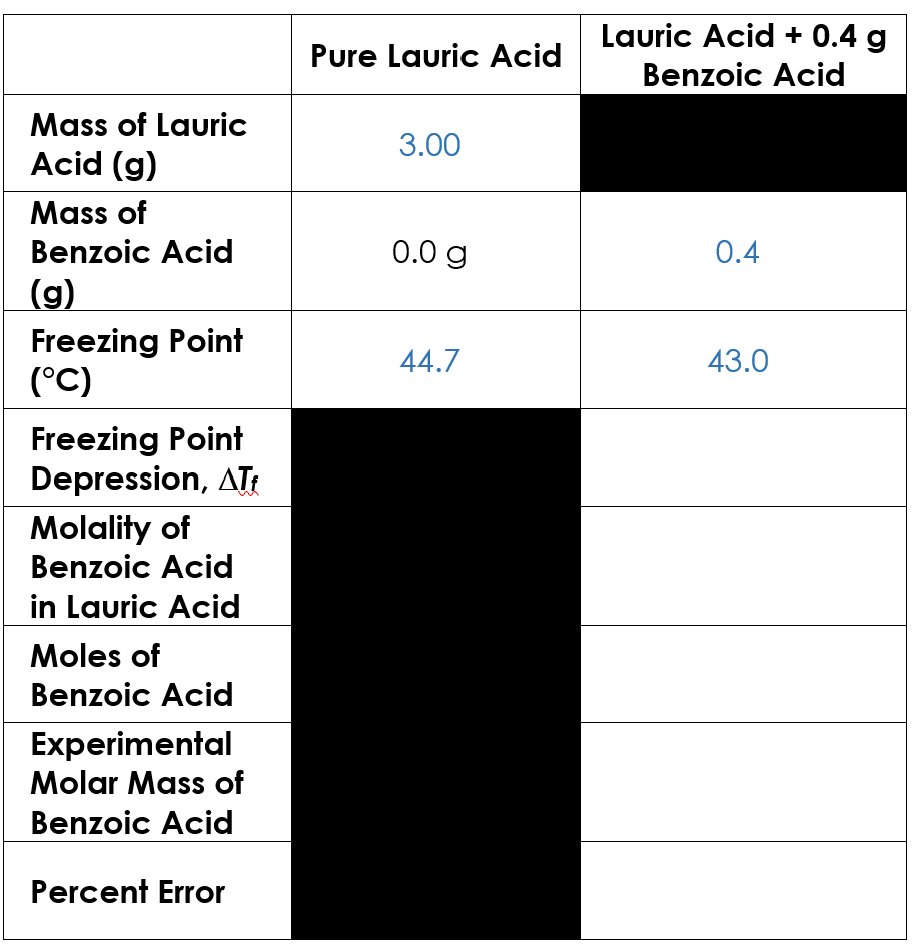
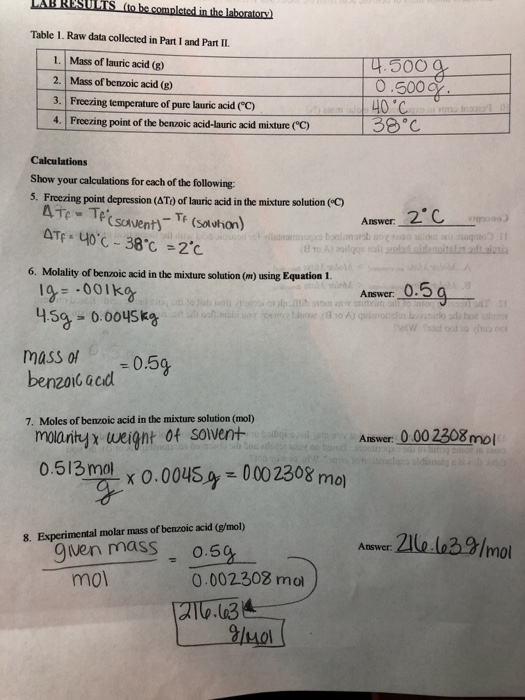
Now the fun part: Calculation! We multiply the number of each atom by its atomic weight. (7 carbons x 12) + (6 hydrogens x 1) + (2 oxygens x 16). See? No scary math, just addition and multiplication.
The result? Roughly 122 grams per mole. That’s the molar mass of benzoic acid. It's like saying, "One mole of benzoic acid weighs about as much as a small bag of sugar."
Benzoic Acid: More Than Just a Number
Okay, we know its molar mass. So what? Well, benzoic acid is a sneaky little ingredient that pops up in surprising places. It’s a natural preservative.
Ever notice the "sodium benzoate" on the label of your favorite soda or pickles? That’s benzoic acid's salt form, doing its job to keep things fresh! It's like the bouncer at the microscopic level, preventing unwanted bacteria from crashing the party.
Food Preserver Extraordinaire!
Before the days of refrigerators and fancy packaging, benzoic acid was a rockstar. People used it (often unknowingly) to preserve food and keep it from spoiling. Think about that next time you bite into a pickle!
Imagine our ancestors painstakingly harvesting berries and then using natural methods, some involving compounds that break down into benzoic acid, to keep them edible through the winter. That’s some serious food security!
Benzoic acid can even be found naturally in some fruits, like cranberries! So, next time you're enjoying cranberry sauce, you're getting a tiny dose of this natural preservative. It's like nature's own way of saying, "Eat me, I'll last!"
Beyond Food: A Multi-Talented Molecule
But benzoic acid's talents don't stop at food preservation. It's also a key ingredient in many other products. It's like a versatile actor who can play a variety of roles.
From cosmetics to pharmaceuticals, benzoic acid plays a supporting role. It can be used as an antifungal agent in some skin creams, or as a starting material for making other chemicals.
It's even used in some types of plastics! Who knew that the same molecule that keeps your pickles crisp could also be part of your phone case? Mind. Blown.
Aromatic Adventures
And get this: benzoic acid is also related to the delightful aroma of some essential oils. While benzoic acid itself doesn't have a strong scent, its derivatives contribute to the fragrances we love.
Think about the warm, comforting scent of benzoin resin, often used in incense and perfumes. That's benzoic acid's aromatic cousin, adding a touch of magic to our lives.
It's like the quiet friend who introduces you to the life of the party. Benzoic acid may not be the star of the show, but it helps make it happen!
Benzoic Acid: A Little Appreciation
So, the next time you see "sodium benzoate" on a label or smell a comforting fragrance, take a moment to appreciate benzoic acid. It’s a small molecule with a big impact.
It’s a testament to the power of chemistry to make our lives easier, safer, and even more delicious. Who knew that something with such a precise molar mass could be so cool?

Think of it this way: Behind every seemingly mundane object, there's a fascinating world of molecules working hard. And benzoic acid is just one tiny, but mighty, example.
From Formula to Function
From its humble chemical formula (C7H6O2) to its diverse applications, benzoic acid teaches us a valuable lesson: even the smallest things can make a big difference. It's like the tiny cog in a giant machine.
And let's be honest, learning about molar mass doesn't have to be a chore. It can be an adventure into the microscopic world, where molecules dance and react to create the world around us.
So, embrace the geek! Explore the wonders of chemistry, and never underestimate the power of a single molecule. After all, who knows what surprising secrets you'll uncover?
"The important thing is not to stop questioning. Curiosity has its own reason for existing." - Albert Einstein