
Microwave Oven Consumption Of Electricity

Ever found yourself staring blankly into the fridge, grabbing some forgotten leftovers, and then – zing! – your trusty microwave brings them back to life in mere minutes? We’ve all been there. Our microwaves are those unsung heroes of the kitchen, ready to rescue a cold coffee or thaw a dinner in a flash. But have you ever paused, mid-zap, and wondered: "How much electricity is this little magic box actually gobbling up?"
It’s a fair question, especially with electricity bills doing their own dramatic zapping these days! Let's pull back the curtain on this everyday appliance and see if it's a silent energy hog or a surprisingly efficient friend.
The Mighty Microwave: Our Kitchen MVP
Think about it. Before the microwave, reheating dinner meant firing up the whole oven, or a stovetop ballet of pots and pans. Now, it's a quick push of a button. It's the ultimate time-saver for busy mornings, late-night snacks, and those moments when you just can't wait another second for your soup. It’s the appliance that lets you pretend you're a gourmet chef in 90 seconds flat!
Must Read
But this speed and convenience come with an energy cost. The question is, how big is that cost, and should we really be worrying about it?
Sipping or Gulping? Understanding the Watts
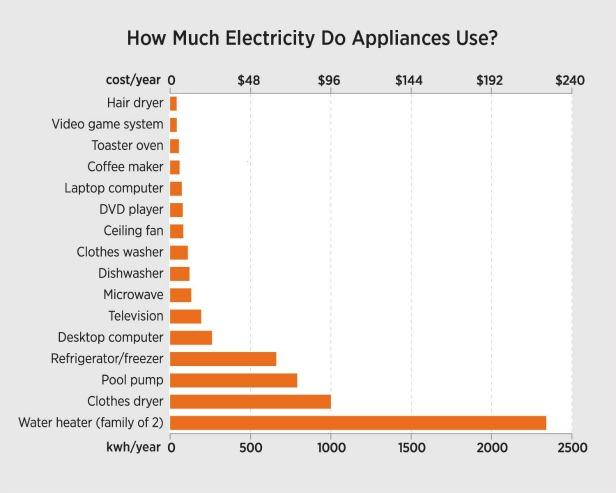
When we talk about electricity, we often talk in 'watts' – which is essentially how much power an appliance needs. Microwaves, when they're actively cooking, are a bit like sprinters. They need a big burst of energy for a short period. Most household microwaves range from 600 to 1200 watts. Compare that to, say, a light bulb at 60 watts, and you can see it's a powerhouse!
However, the trick is in the duration. A light bulb might be on for hours, while your microwave typically runs for mere minutes. So, let’s break it down into two scenarios: when it’s actively cooking, and when it’s just… chilling.
When it's Zapping (Active Use):
When you hit 'start' and hear that familiar hum, your microwave is drawing a significant amount of power. It’s working hard to make those water molecules dance and generate heat. A typical 1000-watt microwave used for, say, two minutes to reheat your pasta, uses about 0.033 kilowatt-hours (kWh) of electricity. Sounds tiny, right?
Let's put it this way: if electricity costs you around 20 cents per kWh, that two-minute pasta reheat costs you a grand total of… less than a penny! So, for individual zaps, your microwave is actually a pretty economical choice compared to firing up a full-sized oven for the same task. It’s like opting for a quick, intense workout instead of an all-day hike.
The Sneaky Sipper (Standby Power):
Ah, now here’s where things get interesting. Even when your microwave isn't cooking, if it's plugged in and displaying that glowing clock or a "ready" light, it's still drawing power. This is called "phantom load" or "vampire power." It's like your microwave is constantly taking tiny sips of electricity, even when it’s supposed to be resting.
While each sip is incredibly small – often just 2-3 watts – these sips add up over 24 hours, day after day, week after week. It might not seem like much, but picture this: you wouldn't leave your car idling in the driveway all night, right? That's essentially what your microwave is doing if it’s plugged in and showing the time!

Why Does It Matter? More Than Just Pennies!
Okay, so we’re talking about pennies for active use and tiny sips for standby. Why should we care? Well, for a few fun reasons:
1. Your Wallet Will Thank You (Eventually): While one phantom sip won't break the bank, imagine all the appliances in your house doing the same thing: the TV, the coffee maker, phone chargers. Those tiny drips collectively become a steady stream flowing out of your wallet. Over a year, those phantom loads from all your devices could add up to a surprising amount – enough for a few extra lattes, perhaps?
2. A Happy Planet: Every bit of electricity we use, especially if it comes from fossil fuels, has an environmental impact. Becoming aware of and reducing phantom loads is like picking up one piece of litter on the beach. It seems small, but if everyone does it, the collective impact is huge! It’s about being a good earthling, one unplugged appliance at a time.

3. Becoming an Energy Detective: There’s a quiet satisfaction in knowing you’re not letting electricity sneak out the back door. It turns you into a bit of an energy detective, always on the lookout for sneaky watts. It’s a fun way to feel more in control of your home and your resources!
Becoming a Microwave Maestro: Easy Energy-Saving Tips
Ready to put your newfound knowledge to good use? Here are some simple, stress-free ways to be a microwave maestro:
- The "Unplug It!" Method: The simplest solution to phantom load is to unplug your microwave when it’s not in use. If that’s too much hassle, consider plugging it into a power strip you can easily switch off.
- Heat Smart: Don't zap for longer than you need. A little trial and error will help you find the perfect cooking times, avoiding unnecessary energy waste.
- Clean Your Microwave: Believe it or not, food splatters can absorb microwave energy, making your machine work harder to heat your food. A clean microwave is a more efficient microwave!
- Consider Its Size: If you only ever heat up small portions, a smaller, lower-wattage microwave might be more efficient for your needs than a giant, powerful one.
So, the next time you pop something into your microwave, you'll know exactly what's happening behind the scenes. It's not about ditching your beloved appliance; it's about being a little more mindful, a little more aware, and maybe, just maybe, saving a few pennies and helping the planet along the way. Happy zapping!