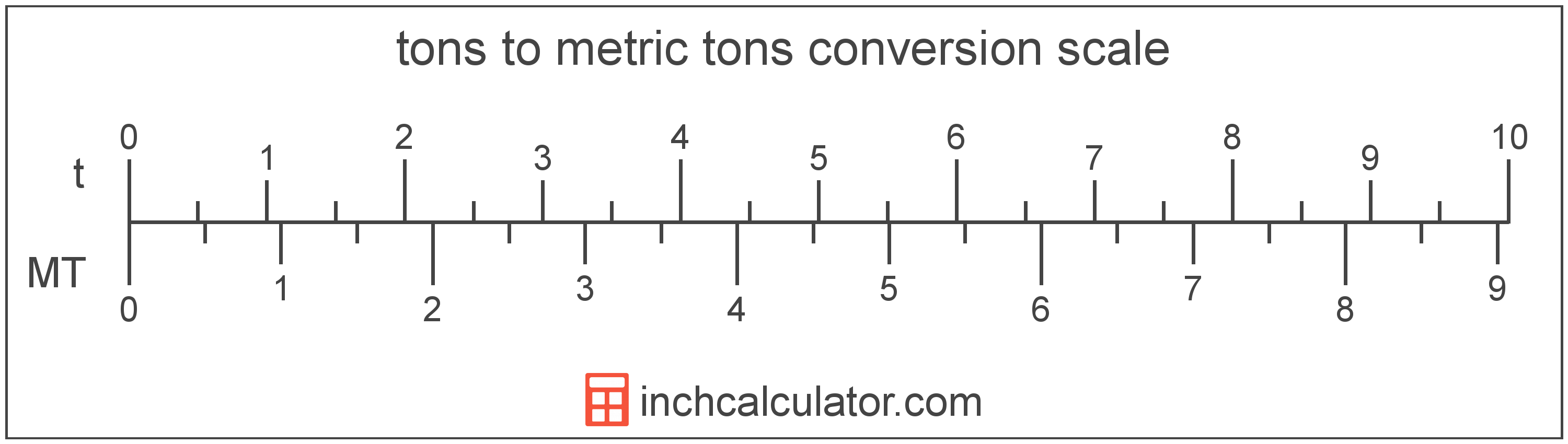
Metric Tons To Short Tons

Ever found yourself scratching your head when someone mentions a "ton" of something? Like, is that a literal ton, and which kind of ton are we even talking about? In our increasingly globalized world, where everything from a car's weight to a shipment of coffee beans can cross borders, understanding different measurement systems isn't just for mathletes – it's for everyone who wants to avoid a costly misunderstanding or simply sound savvy at their next international trivia night.
Today, we're diving into the curious case of the Metric Ton versus the Short Ton. It might sound a bit dry, but trust us, it's a topic packed with practical tidbits and enough "aha!" moments to make you feel like a measurement guru.
The Metric Marvel: Your Everyday Global Standard
Let's kick things off with the big one, literally and figuratively: the Metric Ton. Often simply called a tonne (pronounced "tun," just like the fish, but spelled differently to distinguish it from the short ton), this is the international standard, used by pretty much every country on Earth, except for a couple of notable exceptions (we're looking at you, USA!).
Must Read
A metric ton is elegantly simple: it's precisely 1,000 kilograms (kg). If you're buying produce in Europe, shipping cargo from Asia, or reading about the latest climate report's carbon emissions, you're dealing with metric tons. It's the go-to for heavy industrial measurements, large-scale shipping, and anything that needs universal understanding. Think of the weight of a compact car, or perhaps a small rhinoceros – that's roughly a metric ton!
The American Original: The Short Ton
Now, let's hop across the pond (or rather, stay put if you're in the U.S.) for the Short Ton. This is the unit you'll most commonly encounter in the United States, and it's part of the U.S. customary system of measurements.

Unlike its metric cousin, the short ton isn't based on kilograms. Instead, it's defined by pounds: 2,000 pounds (lbs), to be exact. If you're buying gravel for your driveway, seeing the capacity of a U.S. truck, or checking the weight limit on a domestic bridge, chances are you're dealing with short tons. This is where the confusion often creeps in, as both are simply called "tons" in casual conversation.
The Big Reveal: How Do They Compare?
So, which "ton" is heavier? This is the million-dollar (or rather, the thousand-kilogram) question!
A Metric Ton is always heavier than a Short Ton.
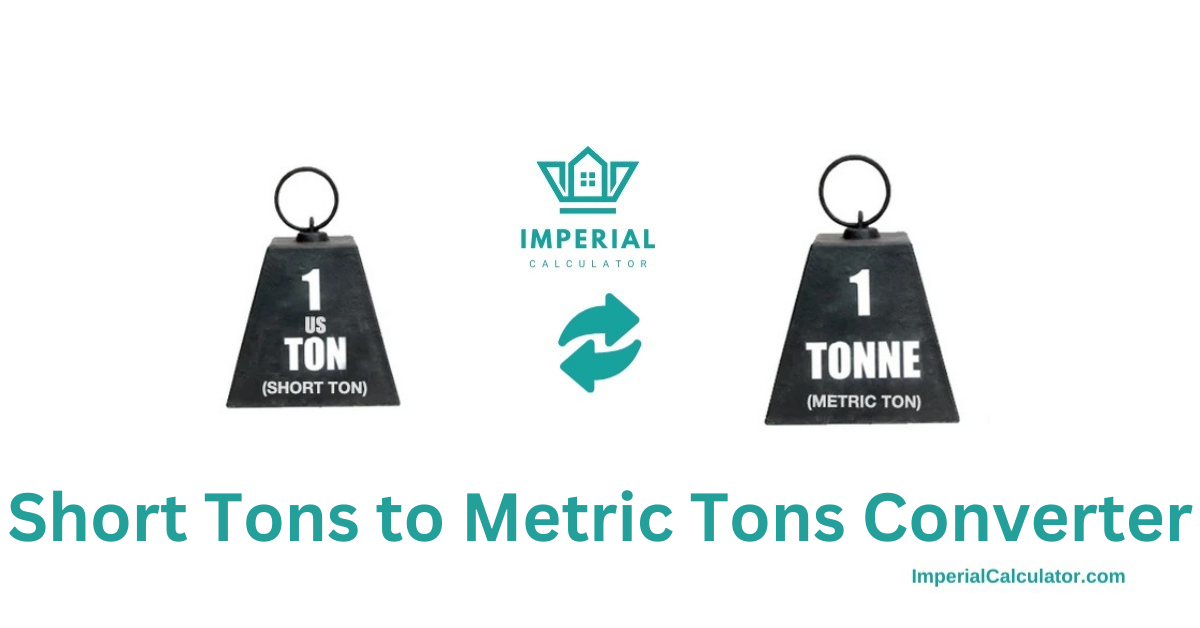
Here's the magic number for conversion:
- 1 Metric Ton ≈ 1.10231 Short Tons
- 1 Short Ton ≈ 0.907185 Metric Tons
Think of it this way: if you have a metric ton of bricks, you actually have about 10% more weight than if you had a short ton of bricks. That's a significant difference if you're talking about heavy machinery or a massive cargo shipment! Imagine ordering 100 tons of steel and getting 10% less than you expected – not ideal!

Why Does This Matter in Your Life?
"Okay, neat facts, but when will I ever need this?" you might ask. More often than you think!
- Travel & Logistics: Planning a move overseas? Shipping a car? Understanding container weights in metric tons can prevent surcharge surprises or ensure your cargo meets international standards.
- Online Shopping: Ever ordered a "ton" of something from an international seller? Knowing the difference can clarify quantities.
- Reading the News: Reports on global trade, disaster relief aid, or even the weight of enormous creatures often use metric tons. Knowing the conversion helps you visualize the scale. For example, a blue whale can weigh up to 200 metric tons – that's over 220 short tons! Imagine the sheer mass!
- DIY & Home Improvement: If you're importing materials or looking at specifications for equipment from outside the U.S., you'll often see metric tons.
Practical Tips for Navigating the Ton-nage
Don't let the different tons weigh you down! Here are some easy tips to stay on top of things:
- Always Clarify: If someone says "ton," don't hesitate to ask, "Is that a metric ton or a short ton?" Clarity is king, especially when money or safety is involved.
- Look for Abbreviations: Often, you'll see "t" or "MT" for metric tons/tonnes, and "ST" or "sh. ton" for short tons. Keep an eye out for these clues!
- Use Online Converters: When in doubt, a quick search on your phone for "metric ton to short ton converter" will give you precise figures instantly.
- Remember the "Heavier" Rule: Just remember, a metric ton is always a bit heavier. This simple rule of thumb can help you quickly gauge if you're comparing apples to slightly heavier apples.
A Final Thought
In a world that's more connected than ever, understanding these subtle differences in measurement systems isn't just about avoiding a miscalculation; it's about fostering better communication and appreciating the diverse ways we quantify our world. So next time someone mentions a "ton," you'll not only know which one they mean, but you'll also have a fun fact or two up your sleeve. Go forth and weigh your options wisely!