
Methylene Blue On Nails For Fungus

Okay, let's talk about something a little... blue. Specifically, methylene blue. You've probably heard of it in science class, maybe even saw it stain something. But did you know some people are using it on their nails? For, wait for it, fungus?
Yep, you read that right. We're diving into the world of using this interesting compound to fight nail fungus. Now, I know what you're thinking: "Blue nails? Is this some weird Smurf beauty trend?" Well, not exactly. But stick with me, because the science (and the history!) behind this is actually pretty darn cool.
What Exactly Is Methylene Blue?
Think of methylene blue as the OG of synthetic drugs. It was first synthesized way back in 1876! And get this: it was initially used to dye fabrics. Fancy that, something used to make your clothes look snazzy also has potential medicinal properties! It's like finding out your favorite comfy blanket can also cure the common cold (okay, maybe not, but you get the idea).
Must Read
Over time, scientists discovered that methylene blue wasn't just a pretty color. It could also be used as an antiseptic and even to treat malaria. Talk about a multi-tasker! It works by interfering with certain processes within cells, effectively disrupting their ability to function properly. This is the key to understanding how it might help with nail fungus.
So, How Does it Fight Fungus on Nails?
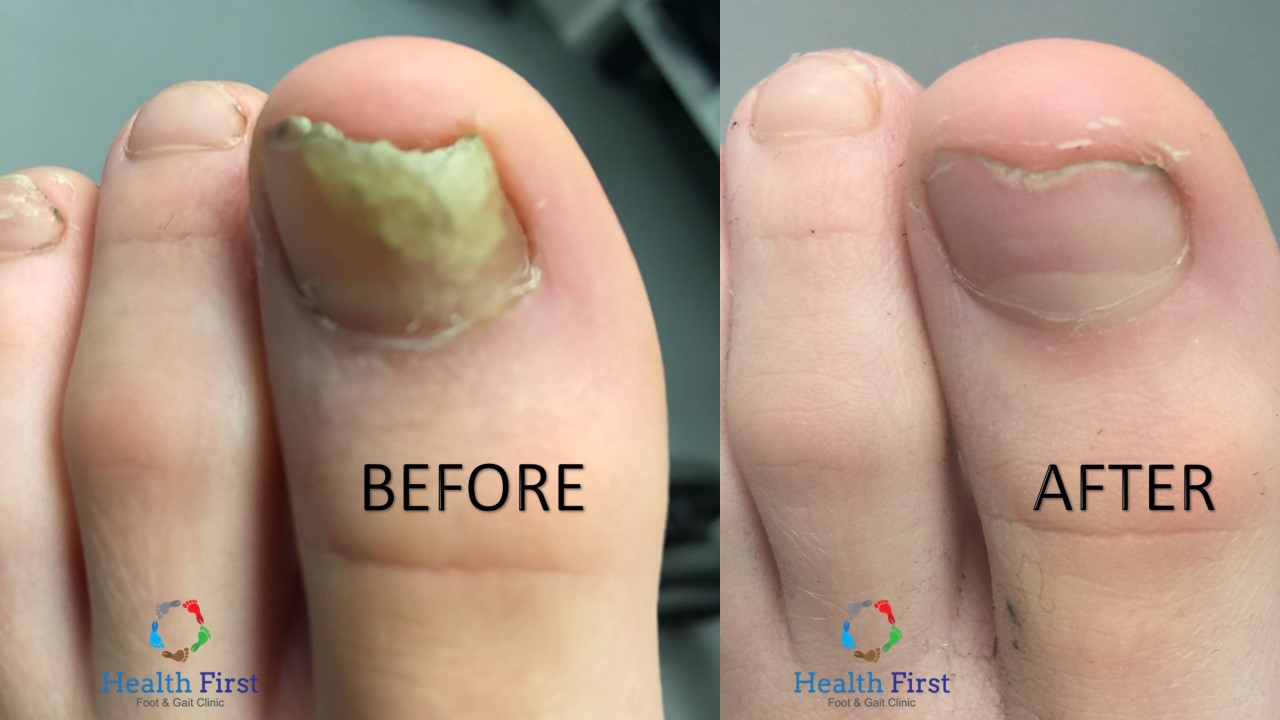
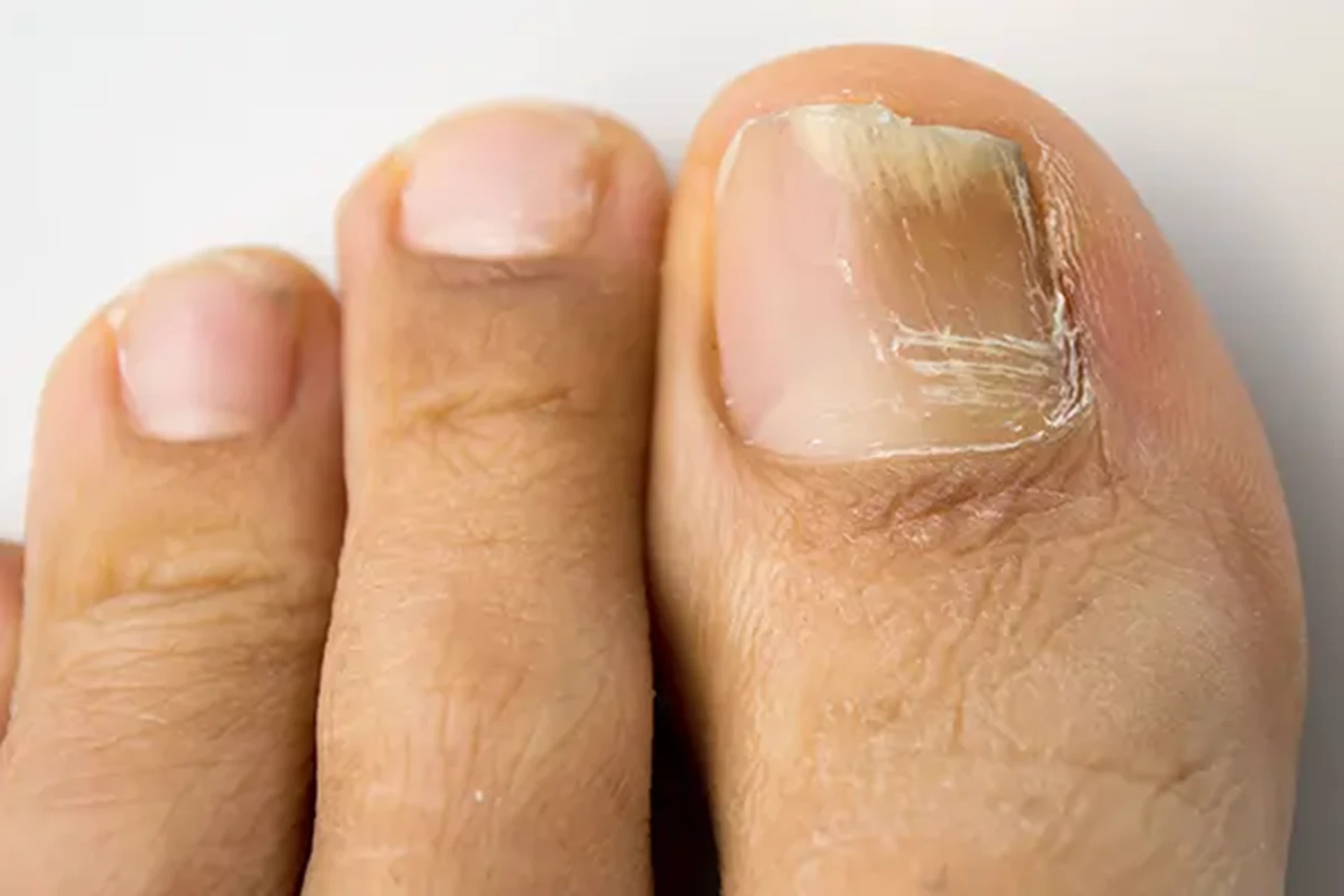
Nail fungus, or onychomycosis if you want to get all technical, is a real pain. It can make your nails thick, discolored, and just generally unpleasant. And it's surprisingly common! The fungi love warm, moist environments – think sweaty socks and shoes. Eww.
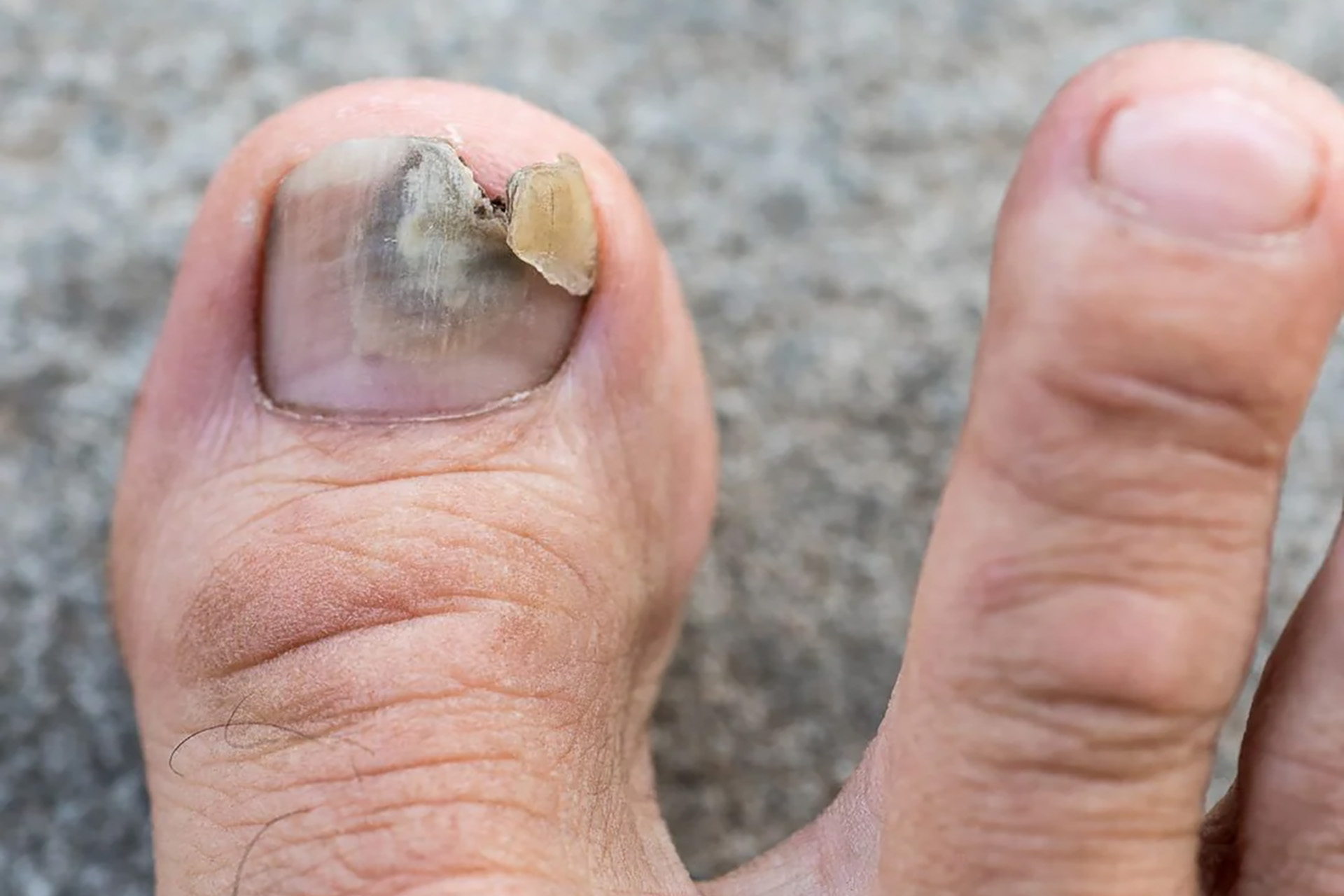
Methylene blue has antifungal properties. Remember how it messes with cell processes? Well, it can do the same to fungal cells! By disrupting their metabolism, it can prevent them from growing and spreading. Imagine it as tiny blue ninjas infiltrating the fungal colony and sabotaging their operations. Cool, right?
Now, this isn't necessarily a new discovery, but it's gaining traction as people look for alternative or complementary treatments. It's not a magic bullet, and more research is definitely needed. But the initial findings are promising. Think of it like this: traditional antifungal medications are like a sledgehammer, sometimes effective but with potential side effects. Methylene blue, on the other hand, might be a more targeted, gentler approach (though always check with a doctor!).
The Blue Nail Effect: Fashion Statement or Side Effect?
Okay, let's address the elephant (or rather, the blue nail) in the room. Yes, methylene blue will stain your nails blue. How vibrant and how long it lasts depends on the concentration of the solution and how often you apply it. Some people might see it as a temporary fashion statement! A bold, edgy look! Others... not so much.
The staining is a side effect, but it's also kind of a visual reminder that you're actively treating the fungus. Think of it as a badge of honor in your battle against the pesky invaders. And hey, maybe you can even coordinate your outfits around your new blue nails! (Just kidding... mostly.)
Important Things to Keep in Mind
Now, before you run off and start painting your nails blue, here are a few key points to remember:
- Talk to your doctor first. This is crucial! Methylene blue isn't a replacement for professional medical advice. They can properly diagnose your nail issue and recommend the best course of treatment.
- Concentration matters. You can't just grab any old bottle of methylene blue. You need the correct concentration for treating fungal infections. Your doctor or a compounding pharmacist can help with this.
- Patience is a virtue. Nail fungus is notoriously stubborn. It can take weeks or even months to see results, regardless of the treatment you choose.
- This isn't a proven cure. While there's promising research, methylene blue for nail fungus is still considered an alternative treatment. More studies are needed to fully understand its effectiveness.
Think of this exploration of methylene blue as a journey of discovery. It's about appreciating the potential of this intriguing compound and recognizing that sometimes, the most unexpected things can have hidden benefits. So, while blue nails might not be the next big beauty trend (yet!), the science behind it is definitely worth a closer look.
Ultimately, dealing with nail fungus can be a drag, but exploring potential solutions like methylene blue highlights the fascinating intersection of science, history, and even... a little bit of unconventional style. Just remember to always prioritize your health and consult with a healthcare professional before trying any new treatments.
