Medical Device Security Best Practices
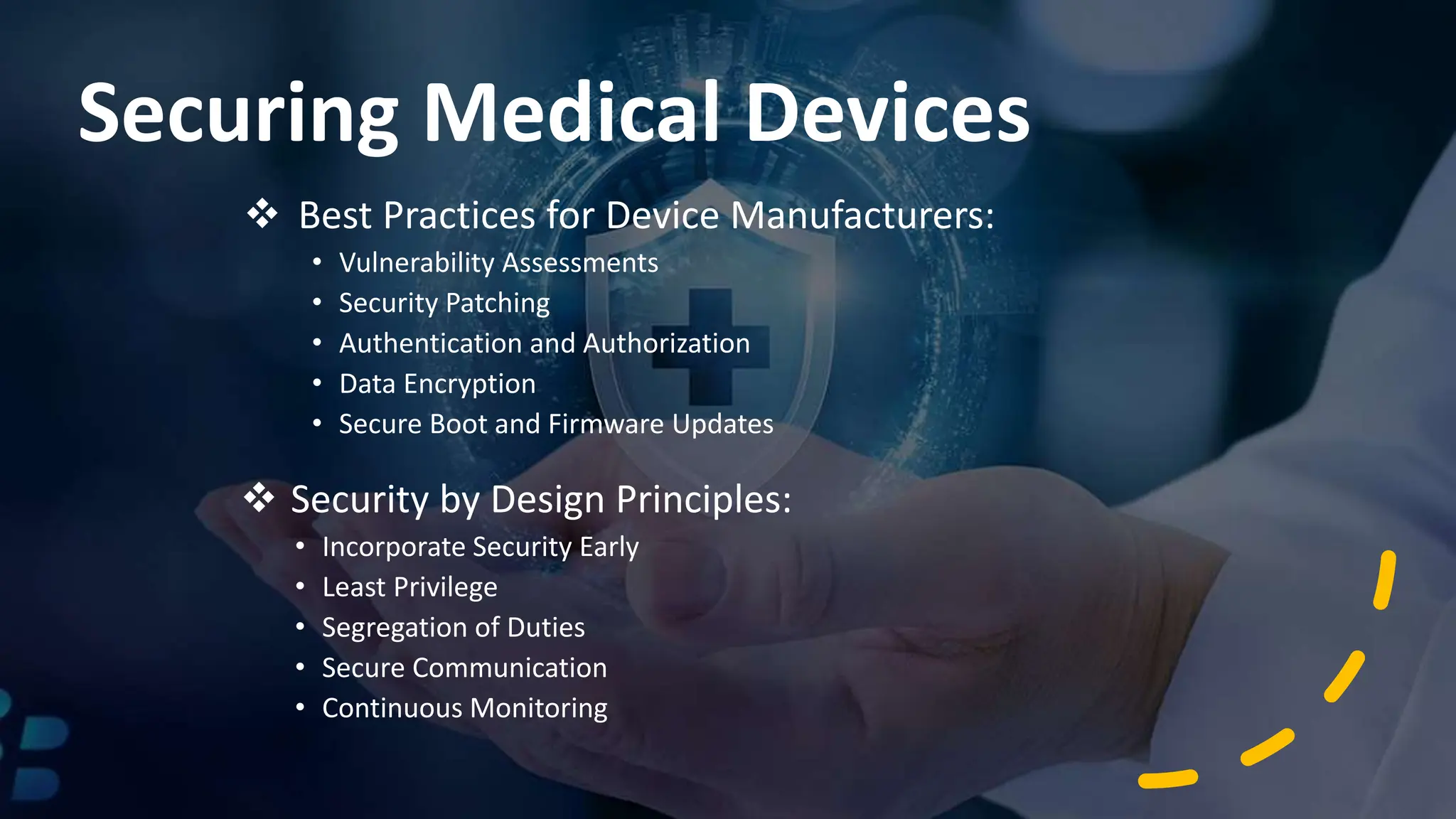
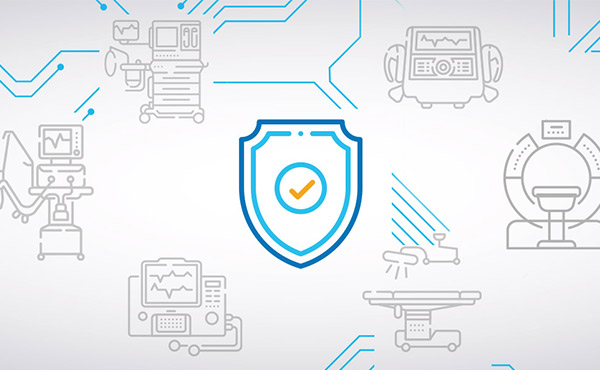
Ever thought about the incredible tech keeping us healthy? From tiny pacemakers to massive MRI machines, medical devices are astonishing. But here’s a cool thought: just like your smartphone, these gadgets need protection too! Welcome to the surprisingly fascinating world of Medical Device Security Best Practices.
It sounds technical, but it’s really about ensuring our health-tech stays safe and does exactly what it's supposed to. Why is this vital? Because these aren't just any devices; they're literally connected to our well-being and sensitive health data. It’s about building trust in technology that genuinely touches lives.
Why Does My Heart Monitor Need a Digital Shield?
Imagine securing your smart home – you wouldn't want anyone messing with your thermostat, right? Now, elevate that to a device monitoring your blood sugar or steadying your heart rhythm. We're not just protecting privacy (though that's huge!), we're ensuring these devices function flawlessly. It’s like putting the best lock on something vital. You wouldn't leave keys in a super-important car; medical devices need locked digital doors for patient safety.
Must Read
The Digital Immune System: Unpacking Best Practices
1. Regular Updates: The Digital Flu Shot!
Just like your phone gets updates to fix bugs, medical devices need them too! Manufacturers release patches for vulnerabilities. Ignoring updates is like skipping your annual check-up – why risk it? Hospitals constantly keep devices current, a continuous process as new threats emerge. Think of it as a constant upgrade to their digital armor.
2. Strong Passwords & Access Control: The VIP Pass
"Password123" just won't cut it for medical systems. Devices need strong, unique passwords, often with multi-factor authentication (like a fingerprint). This ensures only authorized personnel operate critical machines. It's having a super-secure VIP entrance, allowing only those with proper credentials backstage. No unauthorized access allowed!
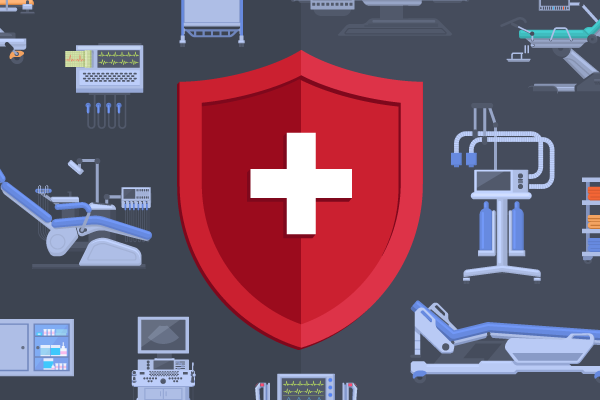
3. Network Segmentation: The Gated Community
Imagine a hospital's network as a big neighborhood. Segmentation divides it into smaller, secure "gated communities." So, an MRI machine might be in one, infusion pumps in another. Why? If a threat breaches one community (say, an office computer), it's much harder to jump digital fences and affect a critical medical device. This strategy contains problems, like firewalls between sections. Super smart containment!
4. Data Encryption: The Secret Language
When medical devices communicate or store patient data, we want that information unreadable to anyone unintended. Enter encryption! It scrambles data into a secret code; only authorized devices or people with the "key" can unscramble it. Think of sending a message in a super-secret code only your trusted friend can decipher. Even if intercepted, it’s just gibberish, vital for protecting sensitive patient information.
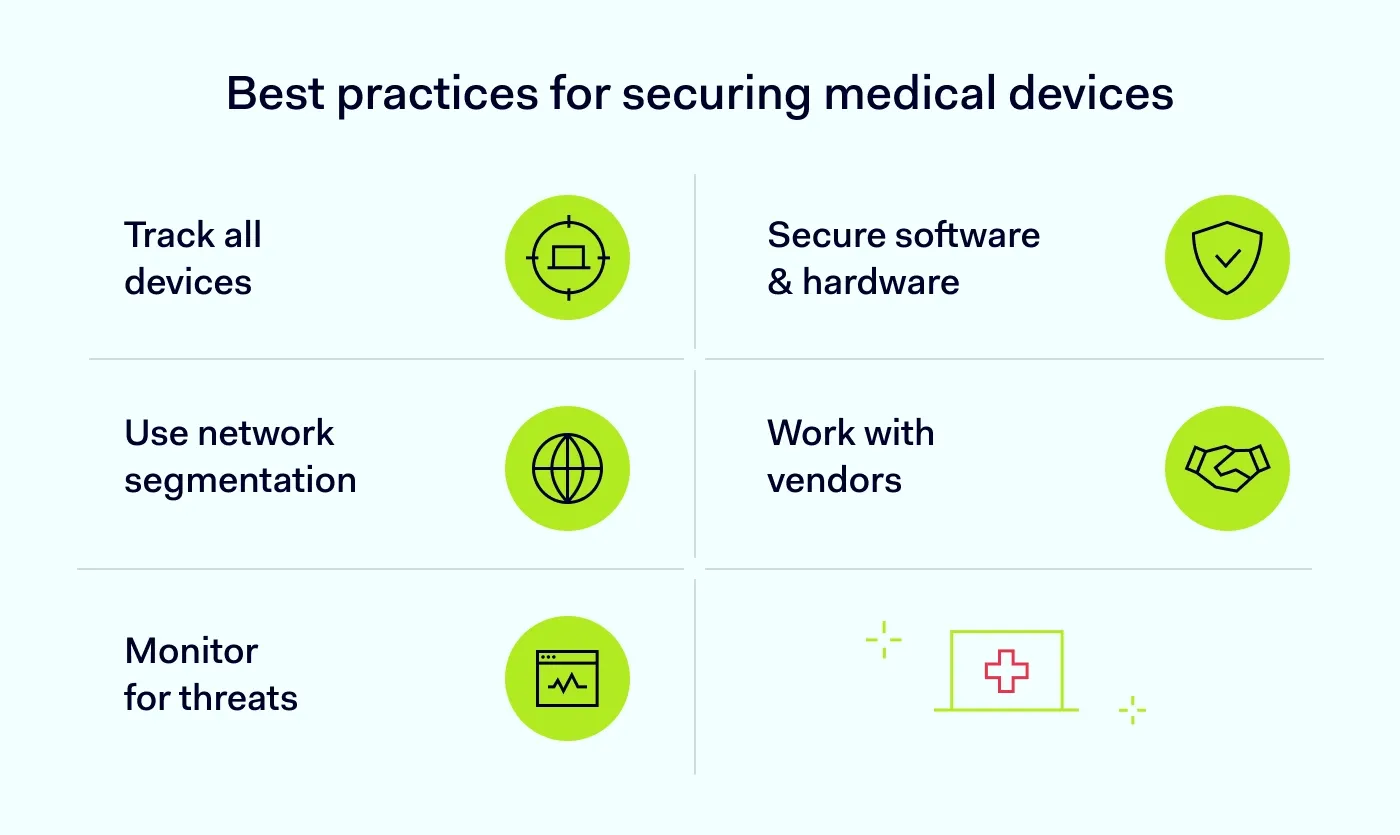
5. Incident Response Planning: The Fire Drill
Even with great security, things can go wrong. That’s why a solid incident response plan is crucial. It's a detailed "what-if" guide: What if a device is compromised? Who to call? How to fix it? It’s like a well-rehearsed fire drill – everyone knows their role to minimize damage and restore normal operations quickly and safely. Preparation is key to weathering any digital storm.
6. Regular Security Assessments: The Device Health Check-Up
No system is perfect forever. Medical devices undergo regular security assessments and penetration testing. Ethical hackers (yes, they’re awesome!) actively try to find weaknesses before malicious actors do. It’s like taking your car for a regular tune-up or getting your own annual physical. Proactively checking for weak spots allows them to be patched up before becoming a real problem. It’s all about staying a step ahead!
A Team Effort for a Healthier Future
Medical device security isn't just for tech gurus. It's a fascinating collaboration between manufacturers, healthcare providers, cybersecurity experts, and regulators. Everyone plays a part in building a safer, more resilient healthcare ecosystem.
So, next time you see amazing medical tech, remember there’s a whole world of dedicated people working behind the scenes to keep it not just functional, but also super secure. It’s a neat blend of innovation and vigilance, all protecting our health – pretty cool, right?