
Mastering A Fasting Lifestyle In 30 Days

Hey there! So, you're thinking about jumping into the fasting game, huh? That's awesome! Honestly, it's been a total game-changer for me. But let's be real, the thought of drastically changing your eating habits can be...well, a little scary. Don't worry, we're going to break down how to master a fasting lifestyle in 30 days, nice and easy. Think of it as a fun little challenge, not a grueling diet. Sound good?
First things first: what is fasting? It's basically just cycling between periods of eating and not eating. Simple, right? There are tons of different ways to do it – intermittent fasting, extended fasts, you name it. We're going to focus on a gentle approach to intermittent fasting (IF), perfect for beginners. No need to go full-on monk mode right away, okay?
Week 1: Dip Your Toes In
Okay, week one is all about getting your feet wet (figuratively, of course, unless you're fasting in a bathtub, which... I don't recommend). We're talking about the 12/12 method. That's 12 hours of eating, and 12 hours of fasting. Easy peasy!
Must Read
For example, you might have your last meal at 8 PM and not eat again until 8 AM. This is probably already pretty close to what you're doing anyway, right? See? You're practically a fasting pro already! Focus on eating whole, unprocessed foods during your eating window. We’re building habits here, not depriving ourselves.
Important! Listen to your body. If you feel faint or super hungry, have a small snack. This isn't about suffering. It's about feeling good. We're aiming for sustainable change!
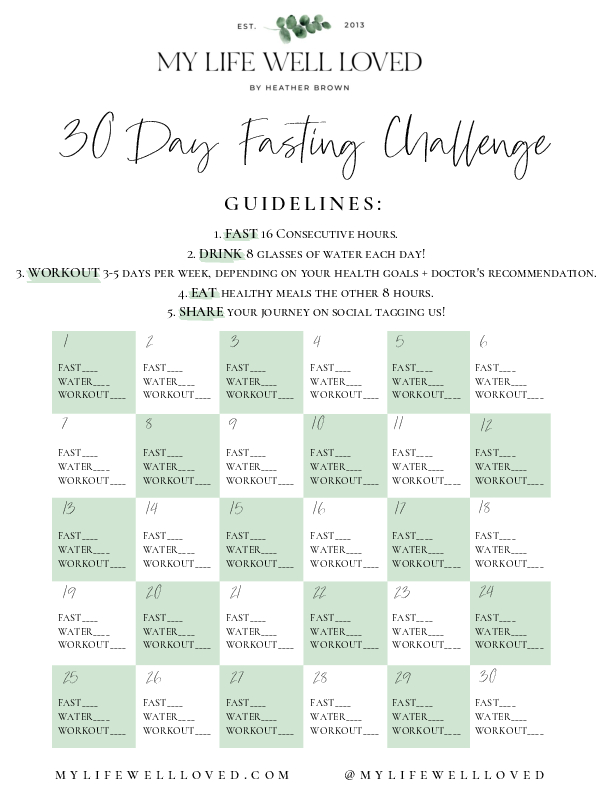
Week 2: Tighten the Reins (Just a Little!)
Ready to crank it up a notch? Let’s move to the 14/10 method. Fourteen hours of fasting, ten hours of eating. So, if you had your last meal at 8 PM, you'd now wait until 10 AM to eat again.
This is where you might start to feel a bit of a difference. Your body is adapting, and that can sometimes feel…interesting. Think of it as your metabolism getting a little pep talk! Make sure you're drinking plenty of water throughout the day. Staying hydrated is key, especially during fasting.

Seriously, water is your best friend. Keep a water bottle handy. And maybe some herbal tea too. It’ll help you feel full and it’s a nice little ritual to distract you when you start feeling those hunger pangs. Which, let's be honest, will probably happen. But you got this!
Week 3: The Sweet Spot: 16/8
Okay, here we go! This is where things get really interesting. We're tackling the 16/8 method. Sixteen hours of fasting, eight hours of eating. This is a super popular fasting protocol because it's effective and relatively easy to maintain long-term.
Most people find they skip breakfast and have lunch and dinner within their eight-hour window. But hey, you do you! Find what works best for your lifestyle. Do you need that morning coffee? Go for it (black, of course – cream and sugar will break your fast). Just remember, listen to your body and adjust as needed.

Think about what foods you're eating too. Are you fueling your body with the good stuff? Focus on protein, healthy fats, and fiber to keep you feeling full and satisfied. This isn’t a license to eat all the pizza you can manage in eight hours (tempting, I know!).
Week 4: Fine-Tune and Flourish!
You've made it! Woohoo! Week four is all about fine-tuning your fasting routine to fit your life. Maybe 16/8 is perfect for you. Maybe you want to experiment with longer fasts a couple of times a week. Or maybe you realize fasting isn't your thing at all. And that’s totally okay! The goal is to find what makes you feel your best.

Keep experimenting! Keep learning! And most importantly, be kind to yourself. This is a journey, not a race. There will be days when you slip up, and that's perfectly normal. Just dust yourself off and get back on track.
Now, go forth and conquer your fasting goals! You've got this! And if you ever need a little pep talk, you know where to find me (probably sipping coffee and pondering my next fasting adventure).
Important last tip: Always consult with your doctor before starting any new diet or exercise program, especially if you have any underlying health conditions. Safety first, friends!