Manually Transpose 2d Array Ruby
Arrays are the building blocks of so much of what we do in programming, especially when we're dealing with data! But sometimes, the data isn't quite in the format we need. That's where transposing a 2D array comes in. It might sound a bit technical, but trust me, it's a surprisingly fun and useful trick to have up your sleeve, especially when working with Ruby. Think of it like rearranging the furniture in your data house – sometimes a little shift makes all the difference!
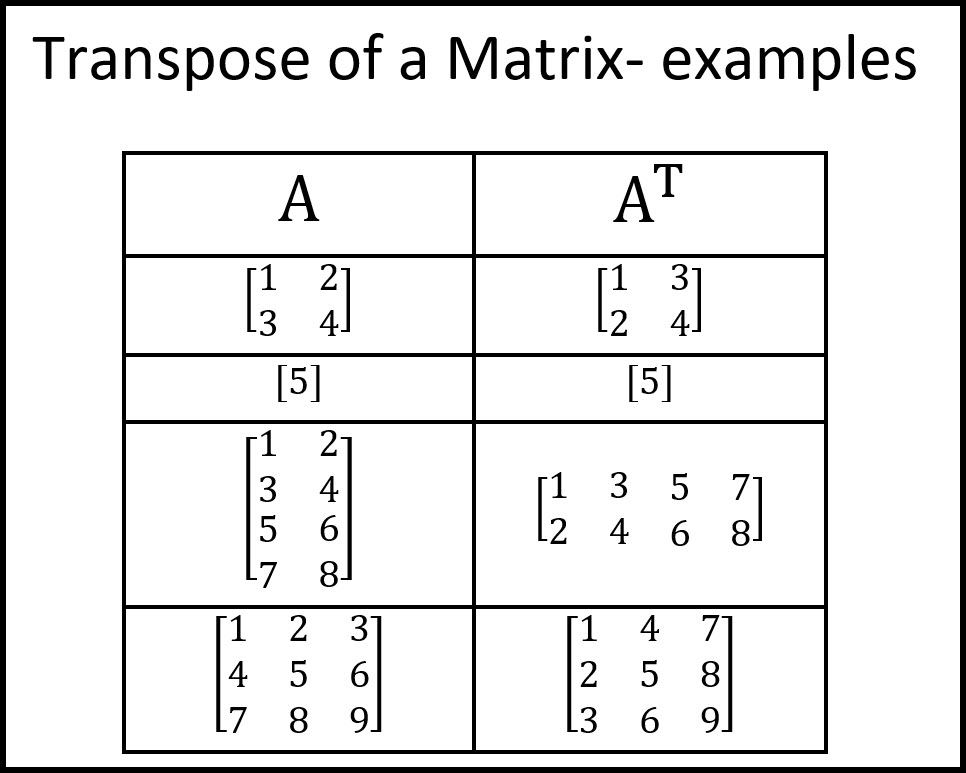
So, what exactly is transposing a 2D array? Simply put, it's swapping the rows and columns. Imagine you have a grid of numbers. Transposing it means that what was in the first row now becomes the first column, what was in the second row becomes the second column, and so on. It's like rotating the array 90 degrees clockwise (or counter-clockwise depending on how you visualize it!).
Why would you want to do this? Well, lots of reasons! Consider spreadsheets. Maybe you want to view your data with the categories along the top instead of down the side. Or perhaps you're working with image data, where rows and columns represent pixels, and you need to reorient the image. In data analysis, transposing can be crucial for aligning data correctly before performing calculations. The possibilities are endless!
Must Read
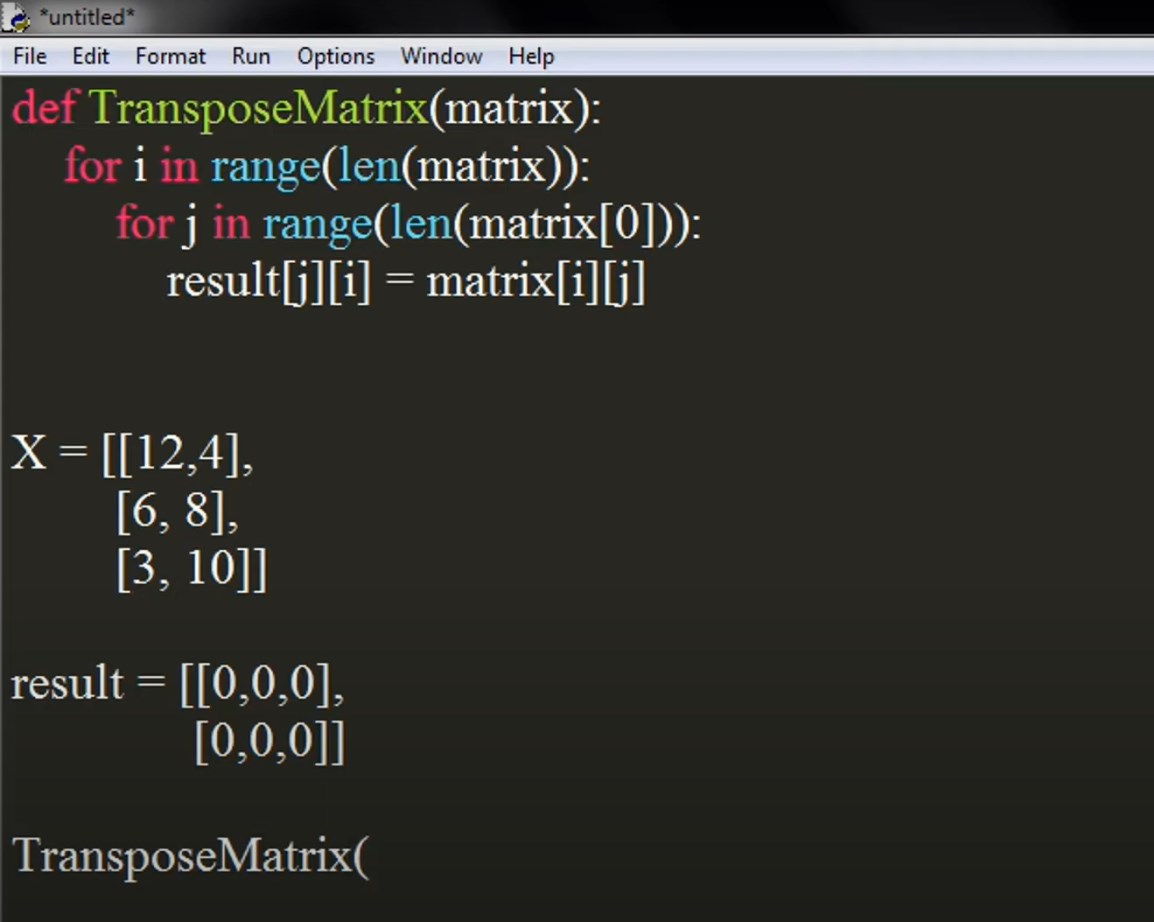
Now, let's talk about doing this manually in Ruby. We're not going to rely on any fancy built-in methods here – we're going to get our hands dirty and build it from scratch! This helps us understand the underlying logic. Here's a breakdown of how you might approach it:

- First, determine the dimensions of the new, transposed array. The number of rows in the original array will become the number of columns in the transposed array, and vice-versa.
- Create a new, empty array with these dimensions. This will hold our transposed data. You'll need to fill it with empty arrays, one for each row in the new (transposed) array.
- Iterate through the original array. For each element at position (row, column), place that element into the new array at position (column, row). This is the key step where the magic happens!
Let's imagine a super simple example. Suppose you have this array:
array = [[1, 2, 3], [4, 5, 6]]
After transposing it manually, you'd get:
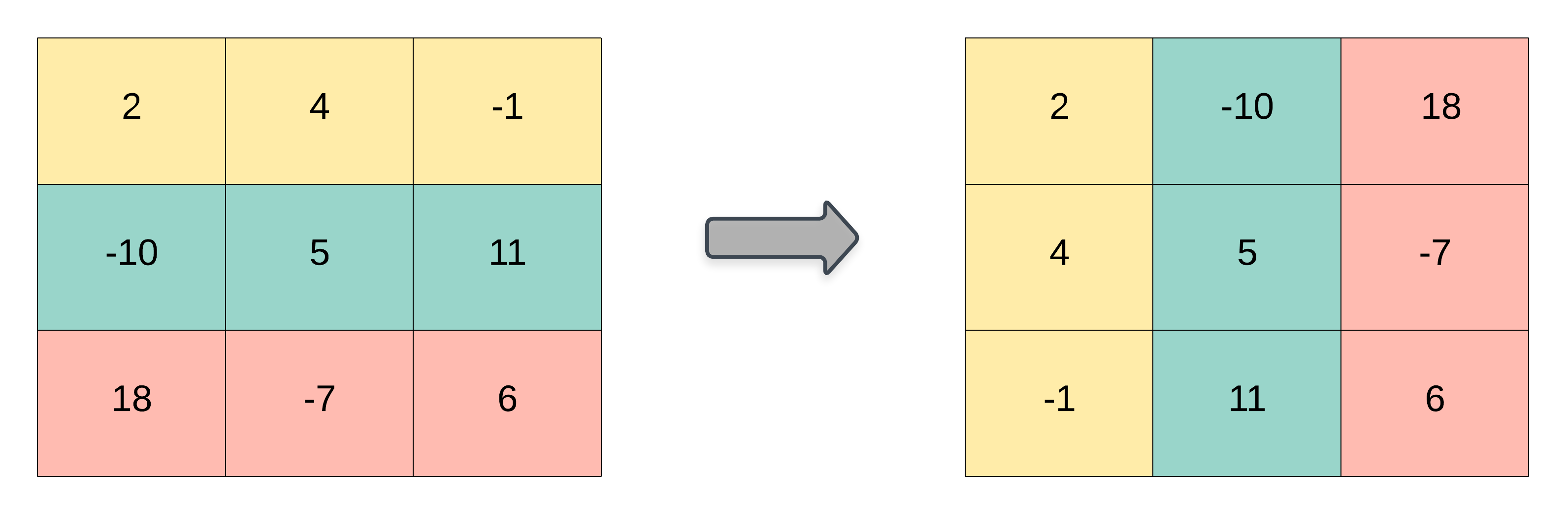
[[1, 4], [2, 5], [3, 6]]
Notice how the 1 and 4, which were in the first column of the original, now form the first row. And so on.
While Ruby does provide convenient methods like transpose for arrays, understanding how to do it manually gives you a deeper appreciation for what's happening under the hood. Plus, it's a great exercise in thinking algorithmically and manipulating data structures. So, go ahead, give it a try! You might be surprised at how much fun you have rearranging those rows and columns. It's a valuable skill and a great way to impress your friends (or at least your fellow coders!).