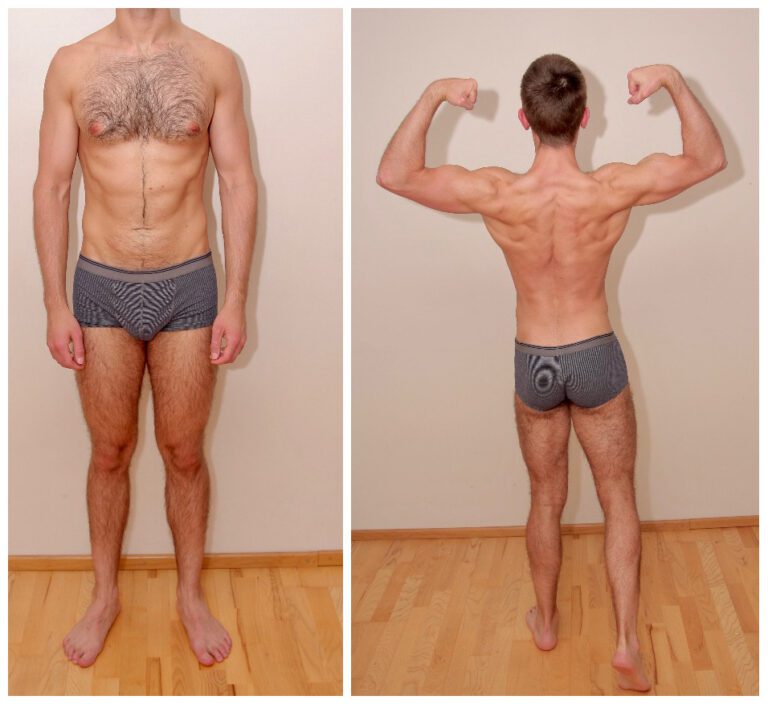
Male Body Fat Percentage Visual Guide
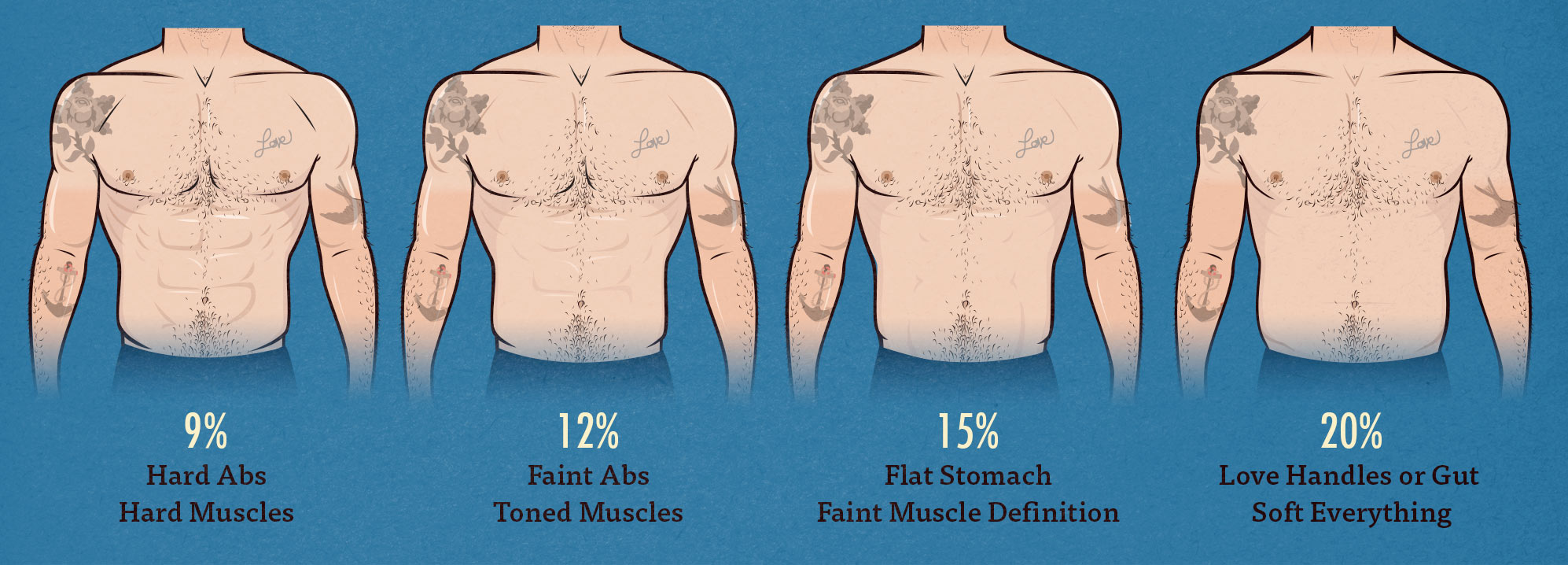
Let's be honest, most of us have peeked at those online body fat percentage visual guides. Maybe after a particularly grueling workout, or perhaps during a late-night scroll session fueled by a desire for self-improvement (or maybe just curiosity!). There's something inherently fascinating about comparing yourself to a visual representation of health and fitness. It's like a roadmap of your body composition, showing you where you stand and hinting at the potential for transformation.
But these guides are more than just eye candy. They serve a real purpose in understanding your body and making informed decisions about your health. Knowing your approximate body fat percentage gives you a more accurate picture of your fitness level than simply relying on weight or BMI alone. While the scale only tells you the total mass, body fat percentage reveals the ratio of fat to lean muscle mass. This is crucial because two people of the same weight and height can have vastly different body compositions and overall health profiles.
The benefits extend beyond aesthetics. Understanding your body fat percentage can help you:
Must Read
- Assess your overall health risk: High body fat is linked to increased risk of heart disease, type 2 diabetes, and certain cancers.
- Set realistic fitness goals: Knowing your starting point allows you to create a targeted plan for muscle gain or fat loss.
- Track progress: Monitoring changes in body fat percentage can be a more motivating indicator of progress than weight alone.
- Optimize athletic performance: Different sports require different body fat percentages for optimal performance.
You might encounter body fat percentage guides in various settings. Gyms often use them for client assessments. Fitness apps sometimes incorporate visual estimations alongside their calculated percentages. Doctors may use body composition analysis, which includes body fat percentage, as part of a comprehensive health evaluation. Even magazine articles discussing fitness trends frequently use these visual aids to illustrate different physiques.
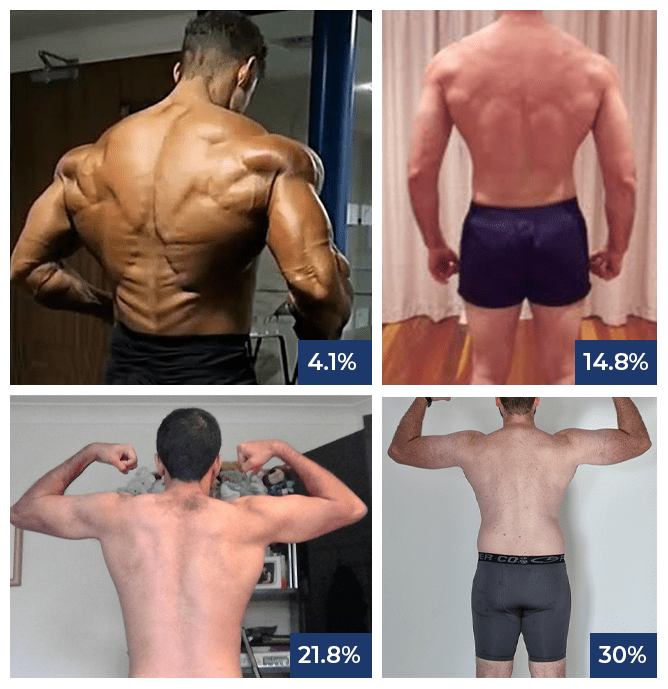
So, how can you use these guides more effectively and avoid getting discouraged? Here are a few practical tips:
- Understand their limitations: Visual guides are estimations, not precise measurements. They rely on subjective interpretation of appearance, which can be influenced by lighting, posing, and individual variations in fat distribution.
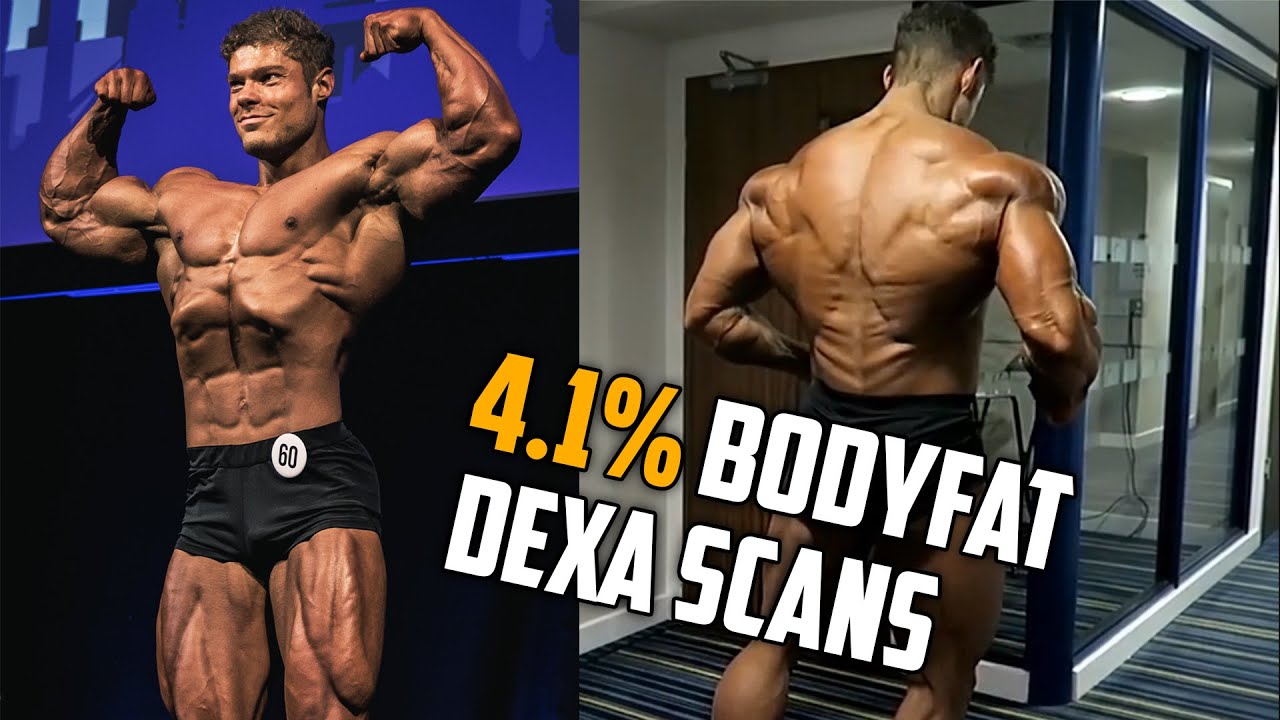
- Use them as a starting point: If you're serious about knowing your body fat percentage, consider more accurate methods like calipers, bioelectrical impedance analysis (BIA), or even a DEXA scan (although the latter is usually reserved for medical purposes).
- Focus on overall health, not just aesthetics: Don't get hung up on achieving a specific body fat percentage if it requires unhealthy or unsustainable methods. Prioritize a balanced diet, regular exercise, and overall well-being.
- Be kind to yourself: Body image can be complex. Use these guides as a tool for understanding your body, not as a source of self-criticism. Remember that everyone's body is different, and health is about more than just numbers.
- Track progress over time: Instead of obsessing over a single snapshot, focus on the trend. Are you making progress towards your goals? That's what truly matters.
Ultimately, a male body fat percentage visual guide is a helpful tool for understanding your body and setting fitness goals. Just remember to approach it with a balanced perspective and prioritize your overall health and well-being.