
Low Battery Carbon Monoxide Detector
Alright, settle in, grab your imaginary coffee. Because we need to talk about that sound. You know the one. It starts subtly, a tiny, almost imperceptible chirp. Maybe you hear it while you're half-asleep, dreaming of a silent world where no electronic device dares to interrupt your peace. You convince yourself it was a cricket. Or maybe a really tiny ghost tapping Morse code. But then, it happens again. And again. And always, always, at 3:17 AM.
This, my friends, is the auditory equivalent of a tiny, persistent gnat in your ear. It’s the sound that launches a thousand late-night expeditions into the darkest corners of your home. You creep around, phone flashlight clutched like a relic, eyes darting from smoke detector to smoke detector, convinced one of them is finally staging its dramatic farewell. You even check the refrigerator, just in case it’s somehow developed a bird call.
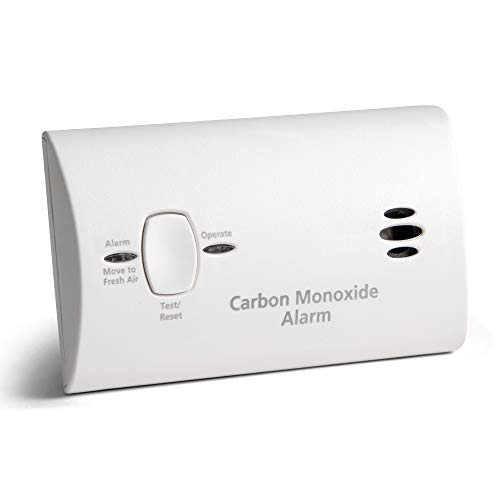
But no. The culprit, often hiding in plain sight, is usually a different beast entirely. It’s the carbon monoxide detector, bless its little heart, performing its most annoying — yet utterly vital — public service announcement: “Hey! My battery’s low! And I’m not kidding around!”
Must Read
Let's be real. The low-battery chirp of a CO detector is a special kind of torment. Smoke detectors have their full-blown, ear-splitting scream. You know instantly what that is. But the CO detector? Oh no, it prefers a more psychological approach. A slow drip of auditory anxiety, perfectly timed to coincide with your deepest REM cycle. It’s like a passive-aggressive roommate, refusing to tell you what’s wrong but making sure you know something is wrong. You start to question your sanity, convinced you’re hearing things. Then BAM! There it is again, a crisp, unwavering, and utterly infuriating chirp.
The Silent Killer, and Its Slightly Less Silent Guardian
So, why does this little sentinel choose to wage a nocturnal war on your sleep? Because, unlike a smoke detector that's just worried about your toast, the carbon monoxide detector is dealing with something far more insidious. Carbon monoxide, as you probably know, is the silent killer. It’s colorless, odorless, tasteless – basically, it’s the ninja of household hazards. You can’t see it, smell it, or taste it, but it can be deadly.

It comes from things like faulty furnaces, gas stoves, water heaters, fireplaces, and even your car if you’re idling it in an attached garage. When these appliances aren't working properly, they can release CO, which then gets into your bloodstream and starves your body of oxygen. Symptoms? Often flu-like: headaches, dizziness, nausea. You might just think you've caught a bug, when in reality, you're slowly being poisoned. Pretty sneaky, right?
That’s where our little chirping friend comes in. It’s diligently sniffing the air, twenty-four hours a day, seven days a week, making sure your living space isn't turning into a death trap. And when its power source starts to dwindle, it doesn't just quietly fade away. Oh no. It lets out that insistent, unmistakable chirp. It’s not trying to annoy you (well, maybe a little). It’s trying to tell you, in the most urgent way it knows how, that it needs juice to keep doing its job.

The Great Battery Hunt: A Hero's Journey
So, you’ve pinpointed the offending chirp. It’s definitely the CO detector in the hallway. Now for the real adventure: changing the battery. This often involves a precarious climb on a rickety chair (or if you’re fancy, a step ladder), fumbling with a small screwdriver, and inevitably dropping the old battery somewhere it can never be found again. You pry open the compartment, pop in a fresh 9-volt (or sometimes, mysteriously, a double-A, because appliance designers love a good curveball), and then… sweet, glorious silence.
For a brief, shining moment, you are a hero. You have vanquished the chirping demon. You have restored peace to your domain. You might even do a little victory dance. But don't forget the cardinal rule: always test it after changing the battery! Most detectors have a "test" button. Press it. Listen to that glorious, loud, fully powered alarm. It's a sound of reassurance, telling you your vigilant guardian is back on duty, ready to protect you from the invisible menace.

The Surprising Truths (and More Annoyances)
Here’s a fun fact that often surprises people: carbon monoxide detectors have an expiration date! Yep, just like your milk, but with far graver consequences if ignored. Most units last between five and ten years. After that, their sensors become less reliable. So, even if it’s not chirping about a low battery, a detector that’s past its prime needs to be replaced. Check the back of yours; there’s usually a "replace by" date printed right there. It’s the ultimate planned obsolescence, designed to keep you safe.
And remember where to place them: ideally, on every level of your home, and near sleeping areas. CO rises with warm air, but it also mixes with the air, so placing them at chest height or on the ceiling is generally recommended, depending on the manufacturer's instructions. Don't put them right next to fuel-burning appliances, though, as that can lead to nuisance alarms.
So, the next time that infuriating chirp invades your sleep, take a deep breath. Yes, it’s annoying. Yes, it’s a pain to deal with in the dead of night. But that little chirp is a tiny, persistent guardian angel, reminding you that it’s actively protecting your life and the lives of your loved ones. It’s a small price to pay for peace of mind, even if that peace comes after a brief, exasperating battery-changing quest. Now, if you’ll excuse me, I think I hear a cricket… or is it?
