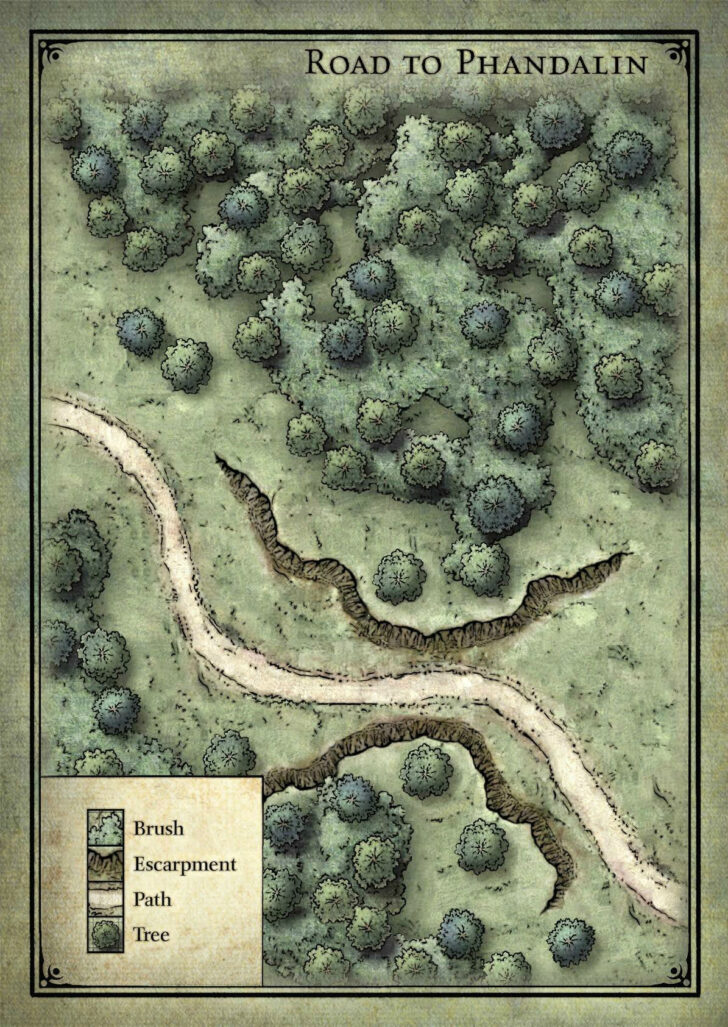
Lost Mine Of Phandelver Maps
Okay, adventurer, let's talk maps. Specifically, the maps in Lost Mine of Phandelver, that iconic starting adventure for Dungeons & Dragons. Whether you're a seasoned DM guiding fresh-faced players or a newbie dipping your toes into the fantastical, understanding these cartographical creations is key to a smooth and engaging campaign. Think of them as your backstage pass to narrative glory.
Why the Maps Matter (More Than You Think!)
Sure, you could just describe a room. But a well-crafted map does so much more. It sparks the imagination, helps players visualize the space, and provides crucial tactical information. Is there cover? Where are the doorways? Can I really try that crazy jump across the chasm?
Plus, let's be honest, a beautifully rendered map just looks cool. It elevates the experience from a simple game to a collaborative storytelling adventure. Think of it like the difference between reading a screenplay and seeing the actual movie set. The map is your set.
Must Read
Tip #1: Don't be afraid to customize! The provided maps are a fantastic starting point, but feel free to add your own flourishes. A hidden passage? A subtle detail that foreshadows a future plot point? Go wild!
The Star Players: A Quick Rundown
Lost Mine of Phandelver features several key locations, each with its own unique map. Let's highlight a few:
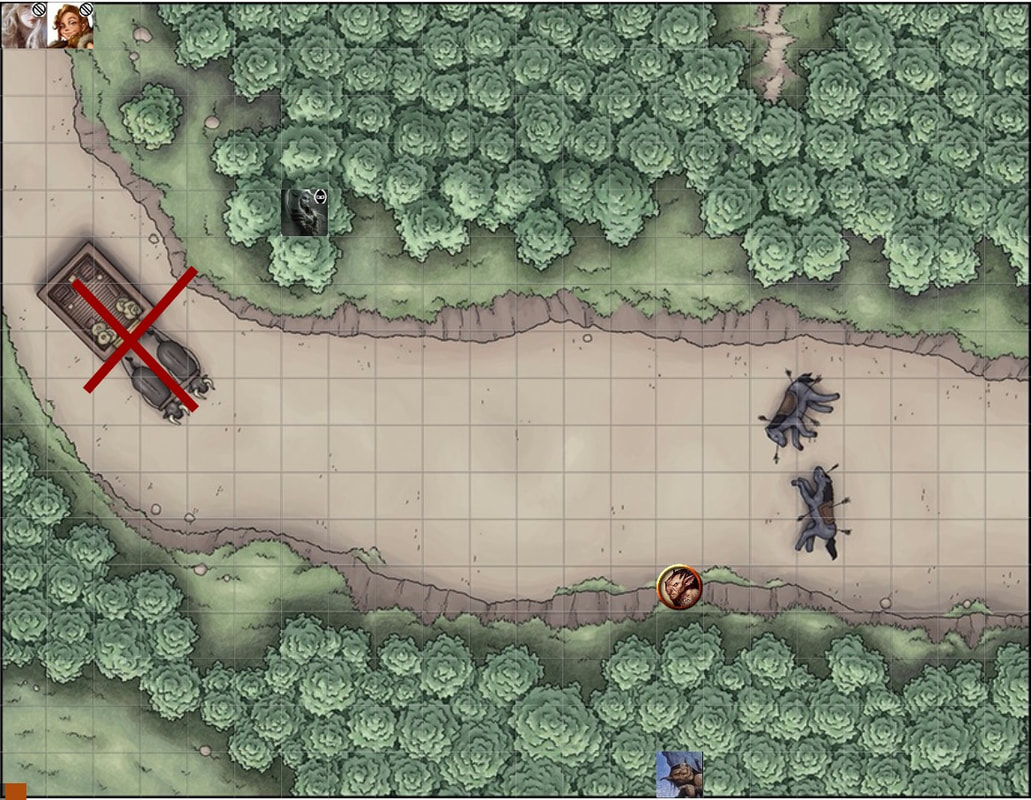
- Cragmaw Hideout: This is where the adventure really kicks off. A rough-and-ready goblin lair, it's all about claustrophobic tunnels and makeshift defenses. Think the Ewok village, but…grimier.
- Phandalin: The quaint (and slightly troubled) town that serves as your base of operations. The town map is key to understanding the various NPCs and potential quest hooks. This is your Mos Eisley Cantina; a hive of activity.
- Cragmaw Castle: A more substantial fortress, offering opportunities for stealth, combat, and maybe even a little diplomacy (if you’re lucky). This map is where you can really throw some tactical challenges at your players.
- Wave Echo Cave: The grand finale! A sprawling underground complex with secrets and dangers lurking around every corner. This is your Minas Tirith, the final stand against evil.
Fun Fact: The original map for Wave Echo Cave was hand-drawn by Mike Schley, a legendary cartographer in the D&D world. His maps are renowned for their detail and atmosphere.
Making the Most of Your Maps: Practical Tips
Okay, time for some actionable advice:
- Use Visual Aids: Print out the maps, use a virtual tabletop (VTT) like Roll20 or Fantasy Grounds, or even draw your own versions on a whiteboard. Anything that helps players visualize the space will enhance the experience.
- Strategic Fog of War: Don't reveal the entire map at once! Use the "fog of war" effect to gradually reveal sections as players explore. This builds suspense and encourages exploration. Think of it like peeling back the layers of an onion (a dangerous, monster-filled onion, of course).
- Incorporate the Environment: Describe the terrain features in detail. Is the floor slippery with mud? Are there stalactites hanging from the ceiling? These details add depth and realism to the environment.
- Player Agency: Let the players interact with the map. Encourage them to use their environment to their advantage. Can they collapse a tunnel entrance? Can they use a rope to swing across a chasm? Let them get creative!
Tip #2: Consider buying the digital version of the adventure. Digital versions often include high-resolution maps that are perfect for VTTs. Plus, they often come with dynamic lighting and other cool features.
Beyond the Lines: Storytelling Through Cartography
Ultimately, the maps are more than just lines on a page. They're a tool for storytelling. They can be used to foreshadow events, reveal hidden secrets, and create a sense of atmosphere. A well-placed trap, a cryptic inscription, or a seemingly innocuous detail can all contribute to the narrative.
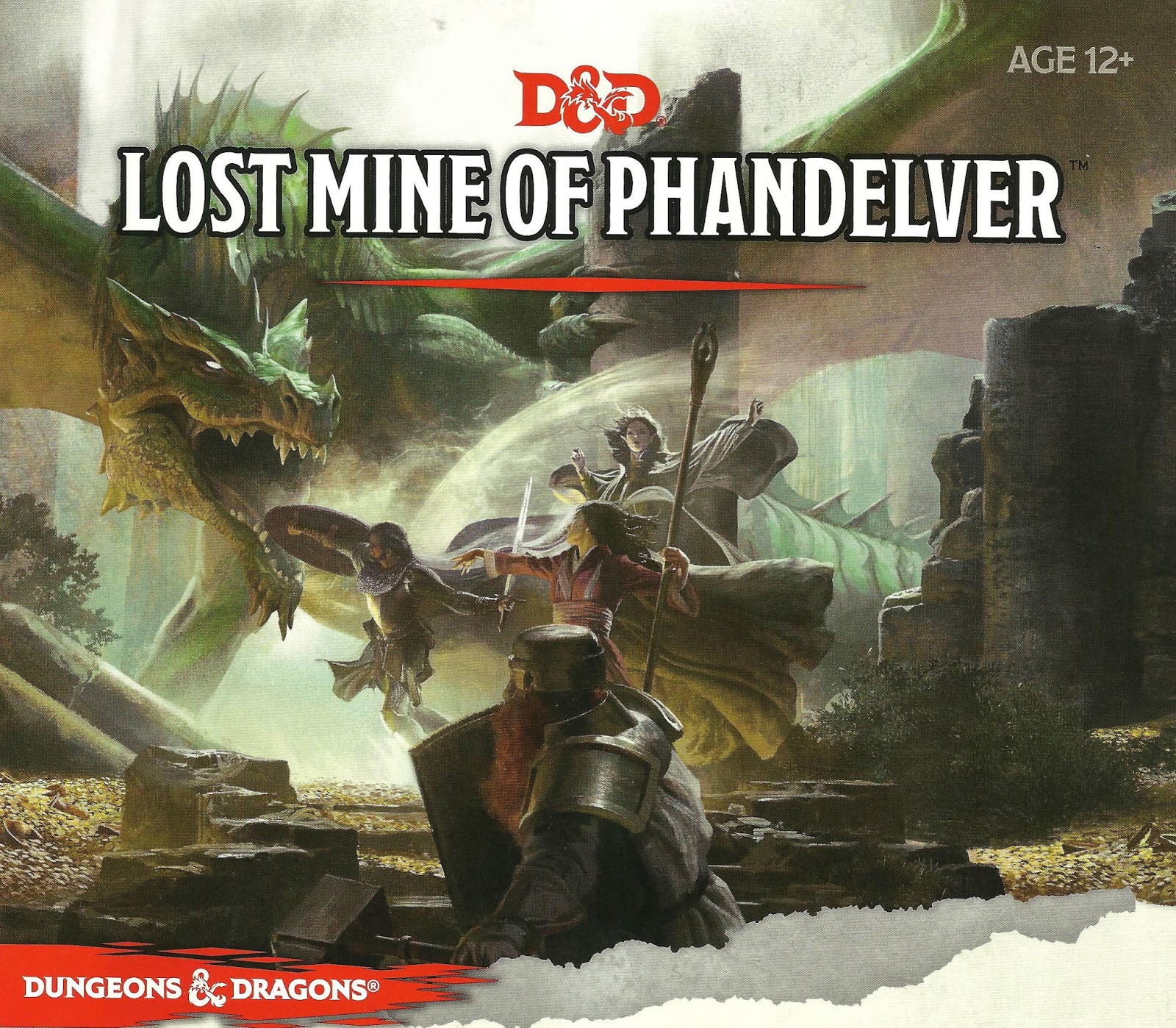
Think of the map as another character in your story. It has its own history, its own secrets, and its own role to play. Treat it with respect, and it will reward you with a richer and more engaging gaming experience.
Cultural Reference: Ever noticed how maps in fantasy settings often reflect the values and beliefs of the people who created them? Elven maps might emphasize natural beauty, while dwarven maps might focus on underground tunnels and mineral deposits. Consider the cultural context when presenting your maps.
Final Thoughts
In the end, mastering the Lost Mine of Phandelver maps (or any D&D map, really) is about more than just knowing the layout. It's about understanding how to use them as a tool for storytelling, engagement, and fun. And that, my friends, is a skill that translates far beyond the gaming table. It's about seeing the potential in the everyday, finding the story in the details, and understanding how to create a compelling narrative, no matter the context. Now, go forth and explore!