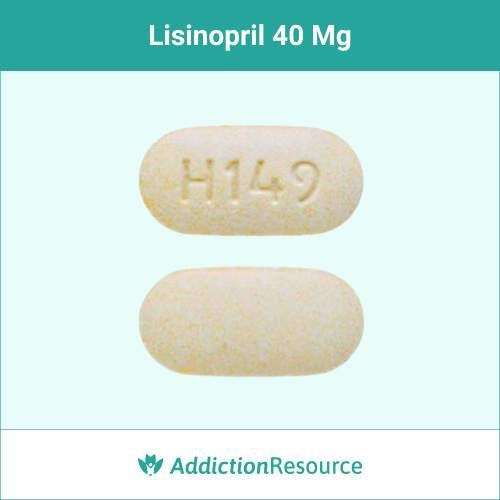
Lisinopril 40 Mg Twice Daily
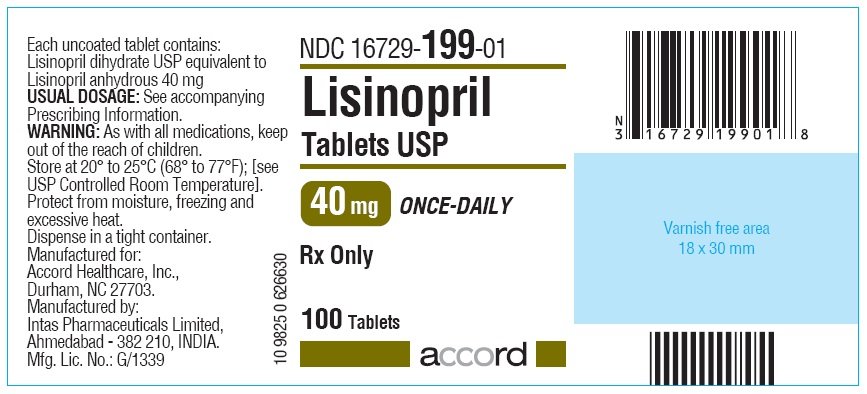
Alright, let's talk about Lisinopril. Specifically, Lisinopril 40 mg twice a day. It sounds like a mouthful, right? Like something only doctors and pharmacists need to worry about. But hey, maybe you're taking it, maybe your mom is, maybe your neighbor keeps mentioning it. Either way, understanding a little about it can be super helpful. So, let's break it down in a way that's less "medical textbook" and more "chatting over coffee."
Lisinopril, at its heart, is a medication used to manage high blood pressure. Think of your blood vessels like garden hoses. When your blood pressure is too high, it's like turning the water on full blast – the hose is strained, and eventually, something might give. Lisinopril helps to gently ease that pressure, preventing potential problems down the road.
Why Twice a Day?
Now, why twice a day with the 40 mg dose? Well, medications don't last forever in your system. Imagine you're watering your plants. You wouldn't just dump a whole bucket of water on them once a week, would you? They'd get flooded! Instead, you give them a bit regularly. The same principle applies here. Dividing the 80 mg total dose into two 40 mg doses helps keep a steady level of the medication in your bloodstream throughout the day, providing consistent blood pressure control.
Must Read
Your doctor prescribed this specific dose and frequency for a reason. They've considered factors like your age, weight, kidney function, and other medications you might be taking. So, don't go changing the dosage on your own! That's like trying to fix your car engine without any instructions – things could get worse, not better.
What Does Lisinopril Actually Do?
Okay, time for a little bit of science, but I promise to keep it simple. Lisinopril belongs to a class of drugs called ACE inhibitors. ACE stands for Angiotensin-Converting Enzyme. Without getting too technical, this enzyme plays a role in producing a substance in your body that narrows blood vessels. Lisinopril blocks this enzyme, preventing that narrowing and allowing your blood vessels to relax. Think of it like smoothing out a kink in that garden hose, allowing the water (blood) to flow more freely.
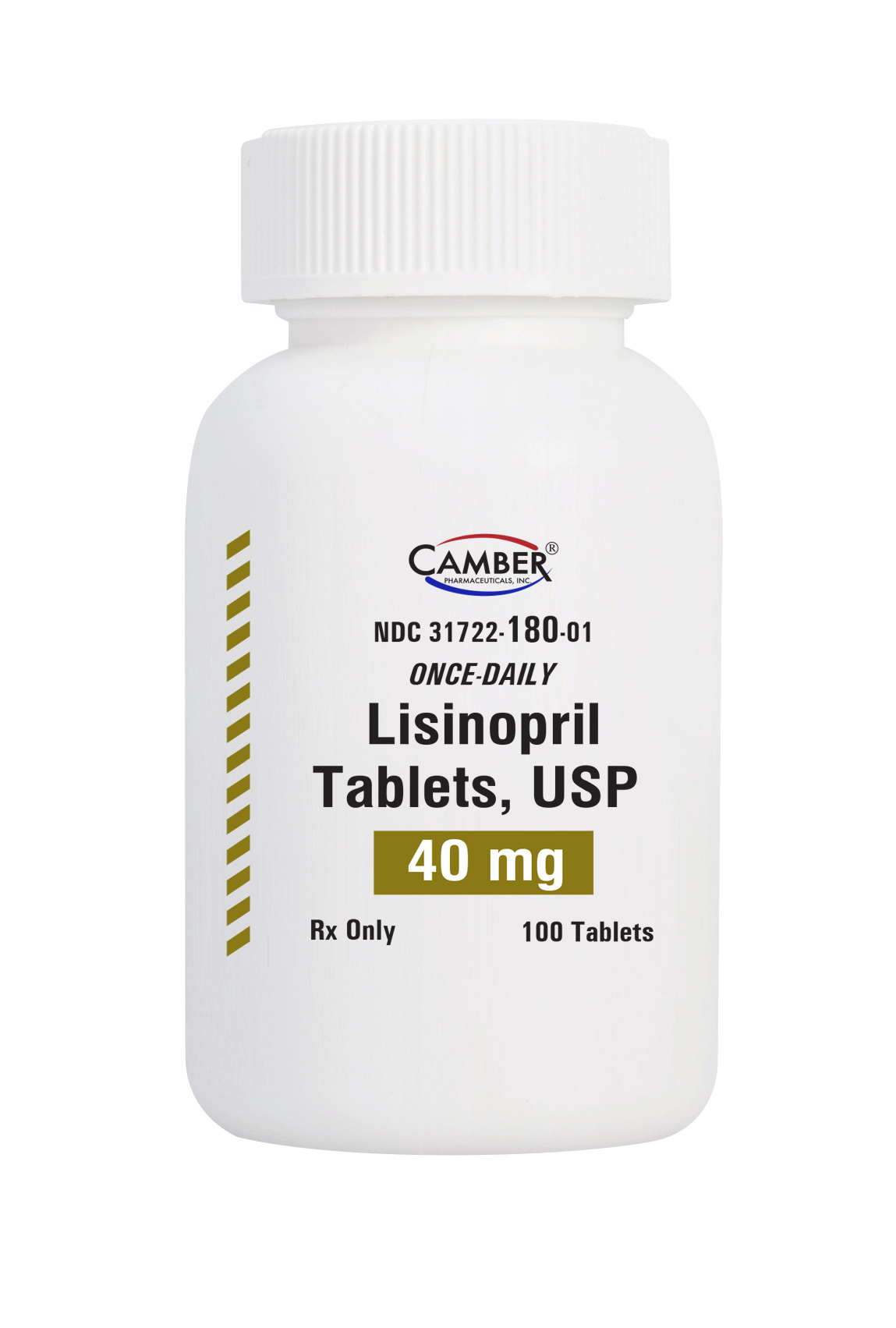
This relaxation of blood vessels not only lowers blood pressure but also makes it easier for your heart to pump. It's like taking a load off your heart's shoulders – or rather, valves!
Potential Side Effects: The "Heads Up"
Like any medication, Lisinopril can have potential side effects. The most common one is a dry cough. It's that annoying, tickly cough that just won't go away. Other possible side effects include dizziness, lightheadedness, and fatigue. These often happen when you first start taking the medication, as your body adjusts. Staying hydrated and standing up slowly can help minimize these effects.
More serious side effects are rare, but it's essential to be aware of them. These include kidney problems, allergic reactions (like swelling of the face, lips, or tongue), and high potassium levels. If you experience any of these, seek medical attention immediately. It's better to be safe than sorry!
Think of side effects like unexpected guests. You need to know they might show up, but you're prepared with a plan of action if they do.
Why You Should Care
So, why should you care about Lisinopril 40 mg twice daily? Because high blood pressure is a silent killer. It often has no symptoms, so you might not even know you have it until it's caused significant damage. Uncontrolled high blood pressure can lead to heart disease, stroke, kidney failure, and other serious health problems.
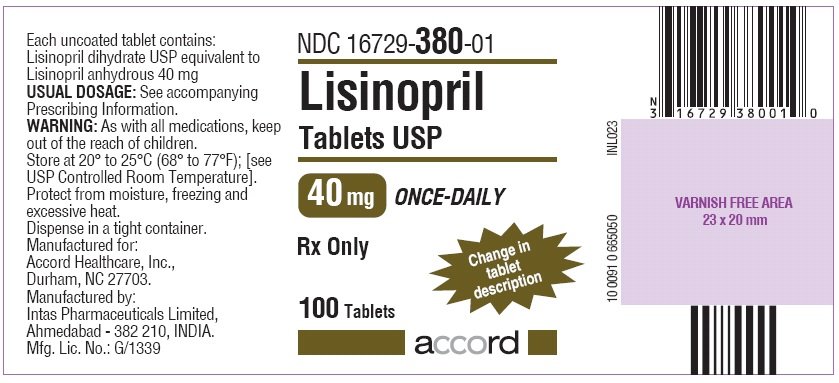
By managing your blood pressure with medication like Lisinopril (along with lifestyle changes like diet and exercise), you're essentially investing in your future health. You're increasing your chances of living a longer, healthier, and more active life. You'll have more energy to chase after your grandkids, travel the world, or simply enjoy the everyday moments that make life worthwhile.
It's like planting a tree today to enjoy its shade tomorrow. A little effort now can make a big difference in the long run.
The Takeaway
Lisinopril 40 mg twice daily is a common medication used to treat high blood pressure. It works by relaxing blood vessels and making it easier for the heart to pump. While it can have side effects, the benefits of controlling high blood pressure often outweigh the risks. Always follow your doctor's instructions carefully and discuss any concerns you have with them. Taking care of your heart is taking care of your life. Think of Lisinopril as one tool in your toolbox for a healthier you!