
Linkedin Sales Navigator Api Python

Ever feel like your networking game is stuck in the dial-up era while everyone else is zooming along on fiber optic? Yeah, me too. But then I stumbled upon something that felt a bit like discovering a secret cheat code: interacting with LinkedIn Sales Navigator using Python.
At first, the words themselves sound intimidating, right? Like you need a PhD in Robot Friendship to even understand what's going on. Turns out, it’s surprisingly less like rocket science and more like… well, let’s just say it involves a computer politely asking LinkedIn for information on your behalf.
Imagine this: you're at a networking event. Picture this: a crowded room, bad lighting, and the overwhelming fear of accidentally calling someone by the wrong name. This... this is where automation comes in handy.
Must Read
Instead of awkwardly sidling up to people, praying they don't notice your nervous sweat, you can have a little program, written in Python, do some preliminary recon for you. Think of it as your digital wingman, but one that doesn't steal your best jokes and doesn't wear a questionable tie.
The Magic of Automation
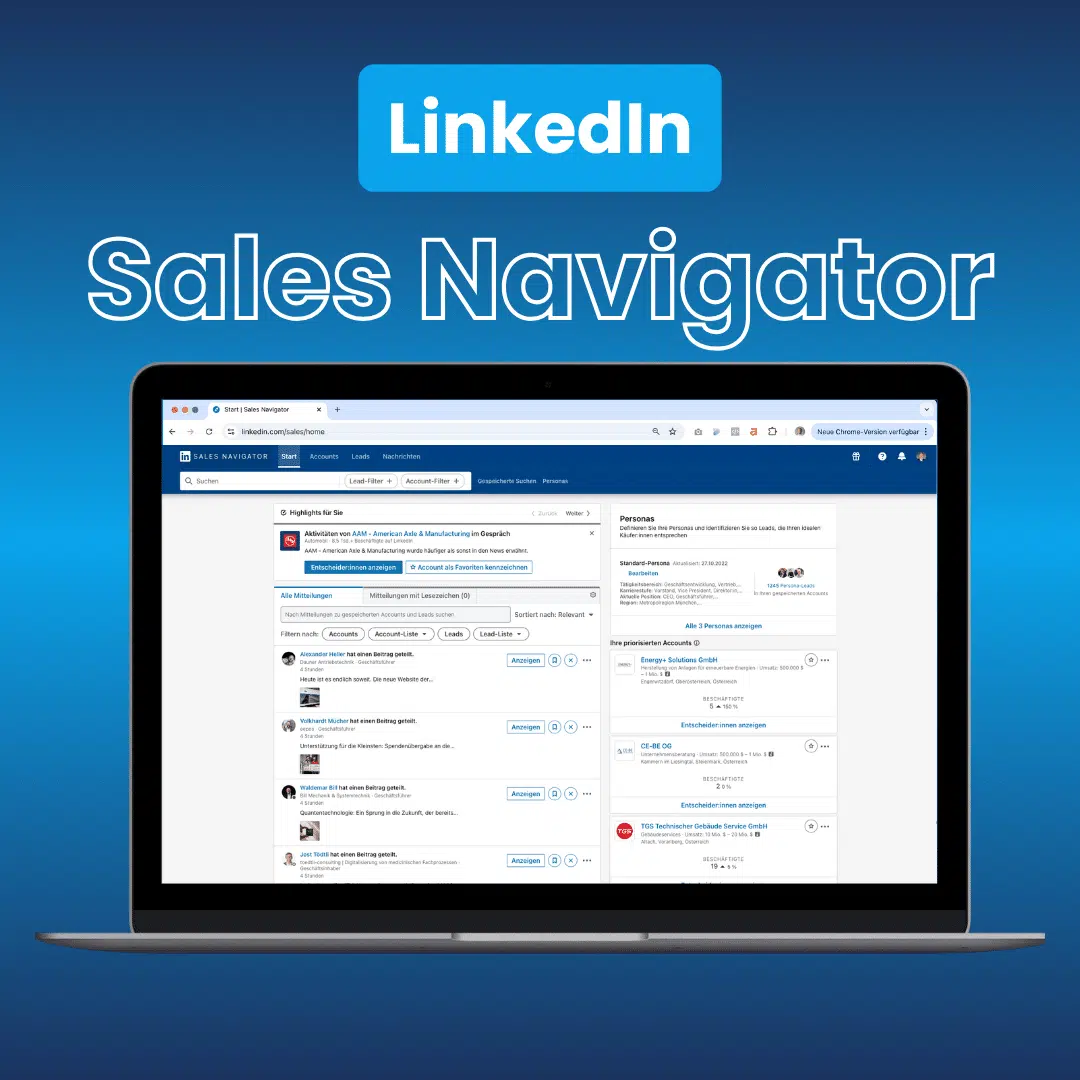
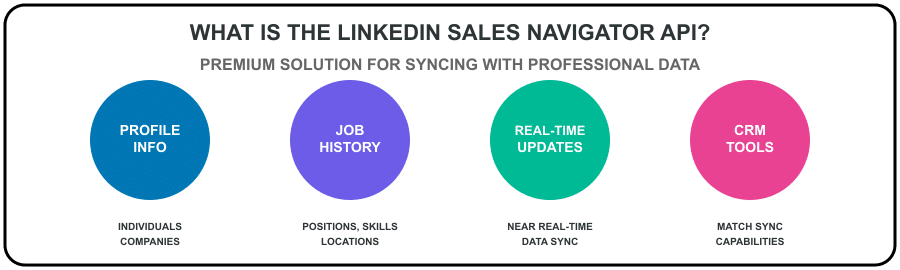
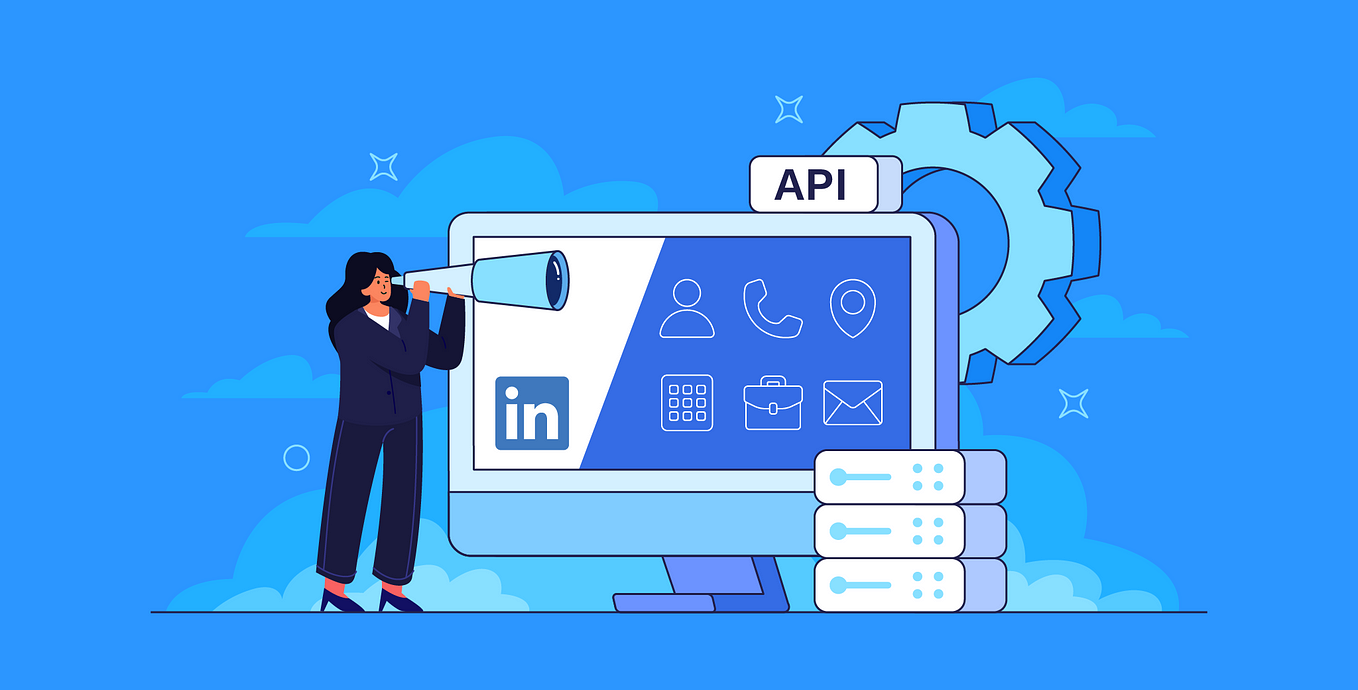
So, how does this digital wizardry work? Well, you can build small programs using the LinkedIn Sales Navigator API. Basically, it’s a set of rules and tools that lets your code talk to LinkedIn’s servers. It's like teaching your computer to order pizza, but instead of pepperoni, you're ordering up potential leads and connections.
You can write code, and it's honestly less scary than it sounds, to ask LinkedIn questions. Questions like: "Hey LinkedIn, find me people in the software industry who are interested in AI in Barcelona, who also enjoy long walks on the beach." Okay, maybe not that last part.
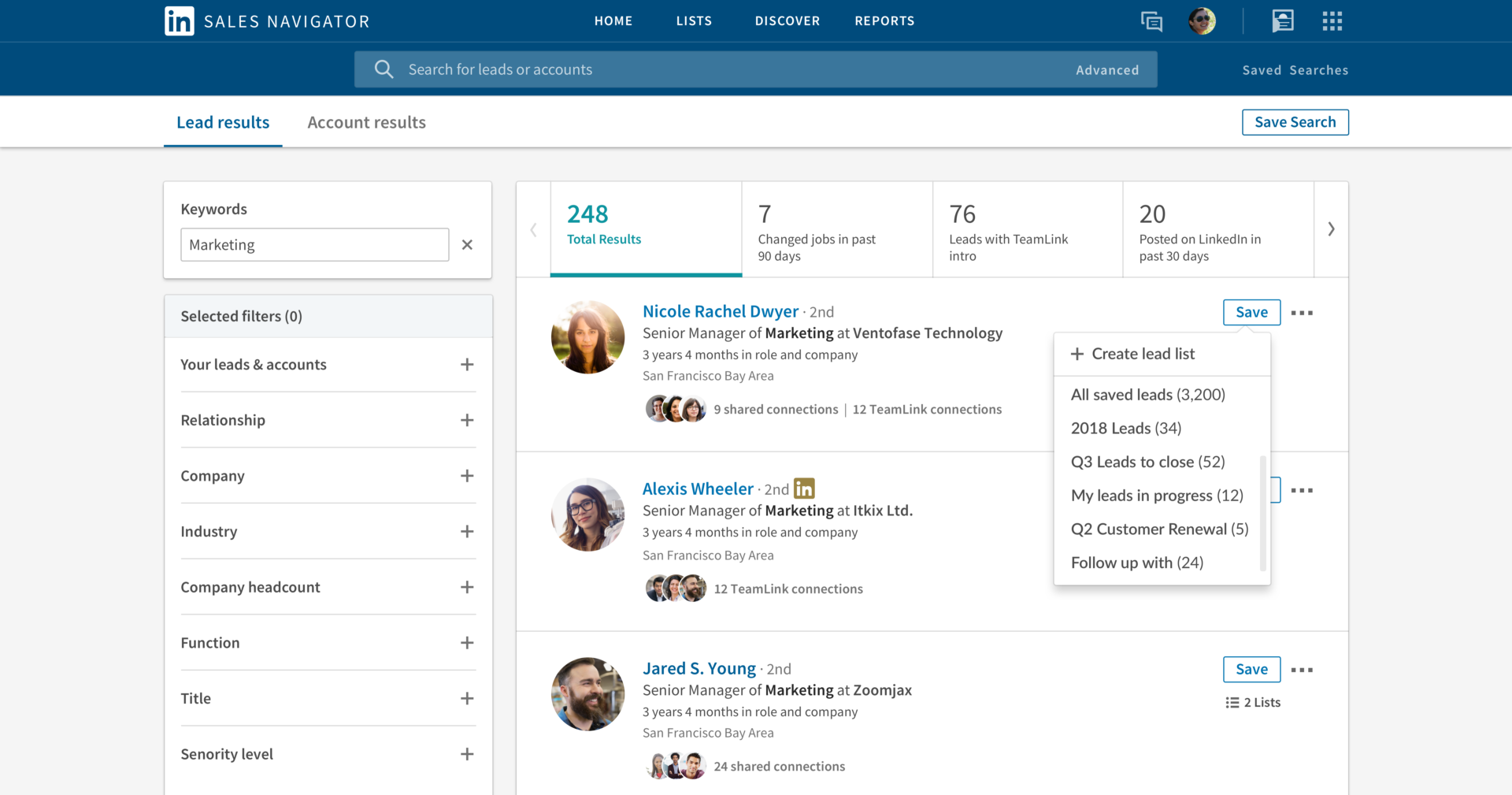
The beauty here isn't just saving time; it’s about finding the right people. You get to fine-tune your search so that you're not just casting a wide net, but aiming a laser beam at precisely the folks who are likely to be interested in what you offer. That's some serious networking power!
Decoding the Jargon
Okay, let's briefly touch on some technical terms without diving into the deep end. An API is like a waiter at a restaurant; you tell it what you want (data), and it brings it back to you from the kitchen (LinkedIn’s servers). It's all about getting the right ingredients to cook up that delicious business connection.
Python, is the programming language, is the recipe. You write out instructions in Python, telling the computer exactly what to ask the API. It’s like writing a detailed recipe, but instead of cookies, you're baking up insightful market research.
Don't worry if all this sounds a bit foreign right now. There are tons of resources online to help you get started. There are countless tutorials, guides, and communities of people who are more than happy to share their knowledge.
Unexpected Perks and Pitfalls
Using Python to interact with LinkedIn Sales Navigator isn't just about efficiency; it also leads to some unexpected discoveries. For example, I once accidentally unearthed a hidden gem of a connection – a potential mentor who lived just down the street from me and shared my passion for rescuing stray cats.
You simply never know what connections you'll unearth. You might find yourself connecting with people who completely change the trajectory of your career. Or, at the very least, you might find someone who can appreciate your quirky sense of humor.
Of course, there are potential pitfalls to be aware of. You need to be respectful of LinkedIn’s terms of service. Don't be a data-scraping pirate; play nice and adhere to the rules of the game. Otherwise, you risk getting your access revoked, which is definitely not cool.
The Ethical Considerations
Speaking of playing nice, it's crucial to be ethical in how you use this power. Using automation to spam people or send unsolicited messages is a big no-no. Treat people the way you'd want to be treated, and focus on building genuine connections.
The goal is to use the technology to enhance your networking efforts, not replace them. Automation can help you identify potential connections, but it's up to you to build those relationships. It’s about augmenting human connection, not substituting it.
Always double-check the information you gather, and be transparent about how you're using data. Don't rely solely on automated insights; use your own judgment and intuition as well. It's important to balance data-driven insights with human connection.
A Personal Anecdote
Let me share a quick story. I was once working on a project that required me to connect with industry leaders in sustainable agriculture. I spent hours manually searching on LinkedIn, feeling like I was sifting through an endless haystack.
After diving into Python and the Sales Navigator API, I was able to automate the search process. Within minutes, I had a list of highly relevant contacts, complete with details about their interests and expertise. I could then dedicate my time to crafting personalized messages.
And then, I had an actual conversation. The best part? I discovered a shared passion for organic gardening with one of the industry leaders. This is where automation took over.
Empowering Your Networking
Interacting with LinkedIn Sales Navigator using Python isn't just a technical skill; it's a way to empower your networking efforts. It's about taking control of your connections and building relationships that truly matter. This has enabled me to improve my skillset.
It's about leveraging the power of technology to make smarter, more informed decisions. It’s about transforming the way you approach networking, turning it from a chore into an exciting exploration.
So, if you're feeling stuck in the same old networking rut, why not give it a try? You might be surprised at what you discover. Who knows, you might just find your next business partner, mentor, or even a fellow cat lover.
Final Thoughts
The world of data and automation can sometimes seem overwhelming, but don't let that scare you away. Start small, experiment, and have fun with it. You’re going to learn something new.
Remember, the goal isn't to become a coding expert overnight. It's about using these tools to enhance your networking efforts and build stronger, more meaningful connections.
Who knows? Maybe, just maybe, you'll find yourself looking forward to networking events instead of dreading them. After all, wouldn't it be nice to go to a networking event feeling like you actually know who you're going to talk to?