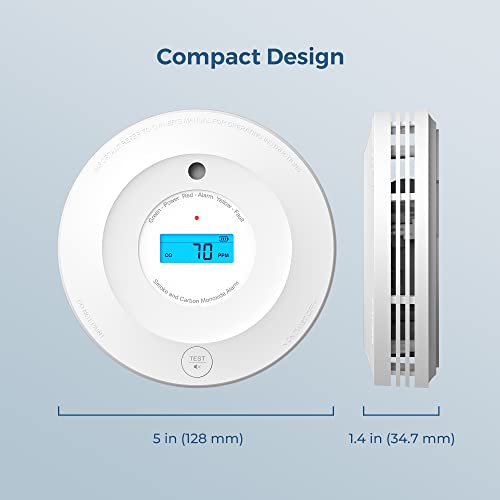
Life Span Of Carbon Monoxide Detector
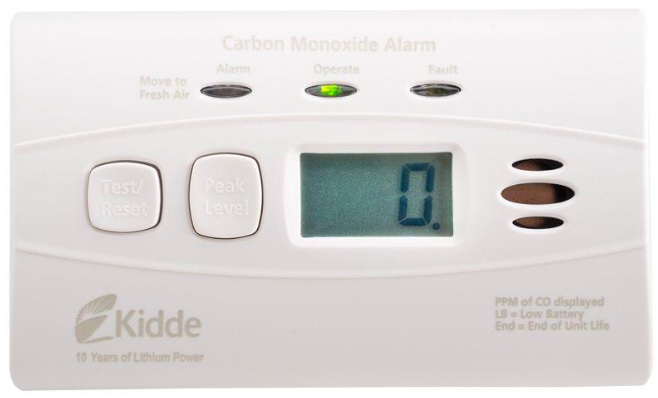
Alright, let's chat about something that's probably hanging around your home, quietly doing its job (hopefully!): your carbon monoxide detector. We all know the drill with smoke detectors – those shrill alarms that make you jump out of your skin when you burn toast. But CO detectors? They often fly under the radar, literally and figuratively, until you hear that ominous beep. And guess what? Just like that avocado you swear you just bought, these vital gadgets have a best-by date.
Think of carbon monoxide, or CO, as the ultimate uninvited guest. It's colorless, odorless, and tasteless – a true stealth agent that can sneak into your home without a single warning. It comes from fuel-burning appliances like your furnace, gas stove, water heater, fireplace, or even that grill you accidentally left too close to the garage. Incomplete combustion is the culprit, and its effects on humans can range from flu-like symptoms to something far more dire. That's why having a working CO detector isn't just good practice; it's a lifesaver.
The Not-So-Secret Shelf Life of Your CO Detector
Here’s the big reveal: your carbon monoxide detector doesn't last forever. Nope! Unlike a trusty cast-iron skillet, these high-tech guardians have a finite lifespan. Most CO detectors are designed to last between five to seven years. Some newer models might stretch it to ten, but that’s the general ballpark. It’s not just about the battery; it's about the entire unit.
Must Read
Why the expiration date? Well, these devices rely on sophisticated electrochemical sensors. These tiny marvels are constantly sniffing the air for CO. Over time, the chemicals within these sensors degrade and become less accurate, much like how that superhero movie you loved as a kid just doesn't hit the same way anymore. Dust, humidity, and temperature fluctuations in your home can also play a role in their gradual decline.
Finding That All-Important Date & What To Do
So, how do you find out when your CO detector is planning its retirement party? It’s usually printed right on the back of the unit. Look for a "replace by" or "expiration" date. If you can't find one, a good rule of thumb is to replace it every five years from the date of manufacture. Don't skip this step! It's as important as checking the expiry on your milk before pouring it into your morning coffee.

And let's clear up a common misconception: a low-battery chirp is not the same as an end-of-life chirp. A low battery usually means a short, intermittent beep every 30 seconds or so, telling you it's time for new AAAs. An end-of-life signal, however, is often a more persistent, multi-beep pattern (like 5 beeps every minute), signaling that the sensor itself is kaput. Check your user manual to be sure, or simply look for that expiration date!
Practical Pointers for Peace of Mind
- Location, Location, Location: Place detectors on every level of your home, especially near sleeping areas and attached garages. Don't put them too close to fuel-burning appliances or vents, as false alarms can occur.
- Test Regularly: Give that "test" button a poke once a month. It’s a quick sanity check to ensure the alarm is still loud and clear. It’s like giving your car tires a kick before a road trip – simple but effective.
- Batteries Aren't Forever (Either): Even if your unit is hardwired, it usually has a battery backup. Replace these batteries at least once a year, or when they start chirping. A good habit? Do it when you change your clocks for daylight saving time – "spring forward, fall back, and swap batteries!"
- After an Alarm: If your CO detector goes off, take it seriously! Get fresh air immediately, call 911 or your local fire department, and don't re-enter until professionals give the all-clear. Even if you think it was a false alarm, a detector that has gone off should be checked and potentially replaced.
- Consider Smart Tech: Modern CO detectors often come with Wi-Fi connectivity, allowing them to send alerts straight to your phone. It's like having a little guardian angel sending you push notifications!
A Little Historical Tidbit
Did you know that before electronic detectors, canaries were used in coal mines to detect carbon monoxide? If the canary stopped singing or fell off its perch, miners knew CO levels were dangerously high. Thankfully, we've evolved beyond relying on tiny feathered friends, but the principle of early detection remains paramount.
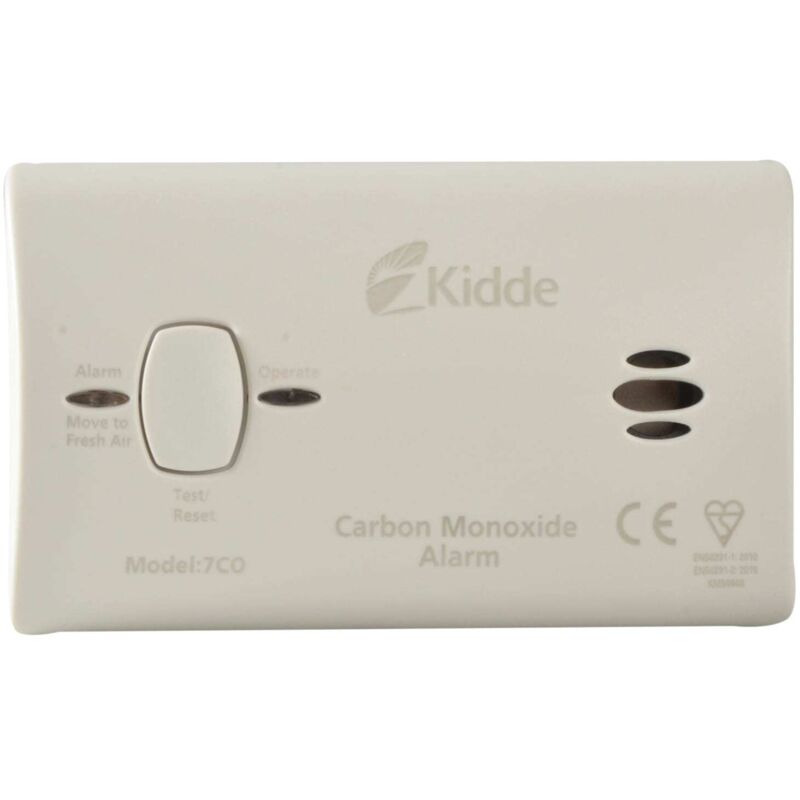
In our bustling lives, it’s easy to overlook these silent sentinels. We upgrade our phones, refresh our wardrobes, and replace our kitchen gadgets, but sometimes the truly essential items get forgotten. Replacing your carbon monoxide detector isn't just another chore; it's an investment in the safety and well-being of everyone under your roof, including your furry family members.
So, next time you're tidying up, or just passing by, take a moment to peek at your CO detector. Find that date. Give it a test. It’s a small action that offers monumental peace of mind, ensuring your home remains the safe, happy haven it's meant to be. Because ultimately, a little awareness goes a long, long way in protecting what matters most.