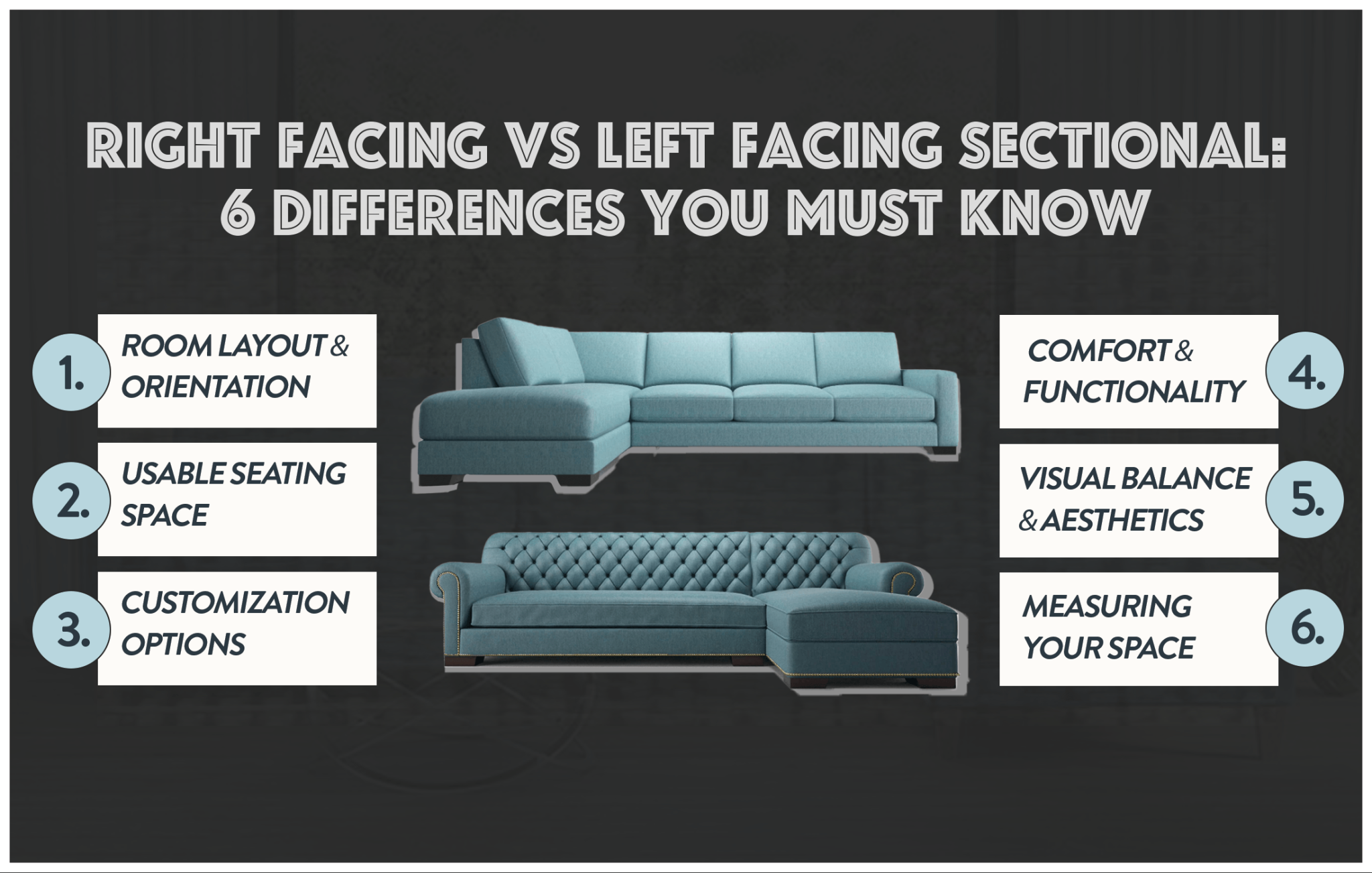
Left Facing Vs Right Facing
Have you ever stopped to consider why some doorways swing inward while others swing outward? Or why some spiral staircases wind clockwise and others counter-clockwise? At first glance, it might seem like a trivial detail, but the directionality of things – whether something faces left or right – can actually have a subtle but noticeable impact on how we perceive and interact with the world. Exploring this simple concept can unlock a deeper understanding of design, efficiency, and even psychology!
The underlying principle revolves around optimizing movement and visibility based on intended use and cultural norms. Think of it like this: the direction something faces or opens dictates the flow of traffic, the ease of access, and even the perceived level of safety. The benefits are numerous. In building design, correct orientation can improve circulation, prevent bottlenecks, and make spaces feel more intuitive to navigate. In product design, a well-considered orientation can enhance usability and minimize errors.
Let's delve into some specific examples. In education, teachers often arrange desks facing the front of the classroom to ensure that all students have a clear view of the whiteboard and the teacher. This simple arrangement promotes focused attention and minimizes distractions. However, cooperative learning setups might arrange desks in circles or facing each other to facilitate discussion and collaboration. Even the layout of a textbook or website adheres to this principle. Text is generally presented from left to right (in many cultures) because that's the direction in which people are accustomed to reading. Images and diagrams are strategically placed to complement the text and guide the reader's eye.
Must Read
In our daily lives, these directional considerations are everywhere. Consider emergency exits: doors swing outwards to facilitate quick and easy escape in crowded situations. The placement of light switches near doorways ensures that you can easily illuminate a room upon entry. Think about escalators in shopping malls or subway stations: they typically run on the right-hand side, adhering to the convention of keeping right when walking or standing, promoting a smooth flow of people. Even the way we park our cars is influenced by directional thinking – often we park facing the direction of traffic to enable easy merging back into the flow.

So, how can you explore this concept further? Start by simply observing the world around you! Pay attention to the directionality of everyday objects and spaces. Ask yourself, "Why is this designed this way?" Observe the flow of people in different environments, such as shopping malls, airports, or public transport. Notice which direction they naturally tend to move in. Experiment with rearranging furniture in your home and see how it affects the feeling of the space. For example, try positioning your desk to face a window or a door and observe how it impacts your focus and productivity. You can also investigate the concept of "handedness" and how it affects design preferences – are left-handed doors as convenient as right-handed ones?
By becoming more aware of the subtle ways in which directionality influences our lives, you can gain a deeper appreciation for the thought and effort that goes into creating functional and intuitive designs. It's a fascinating lens through which to view the world, revealing how even the smallest details can have a significant impact on our experiences.