Labyrinth Builder Of Myth

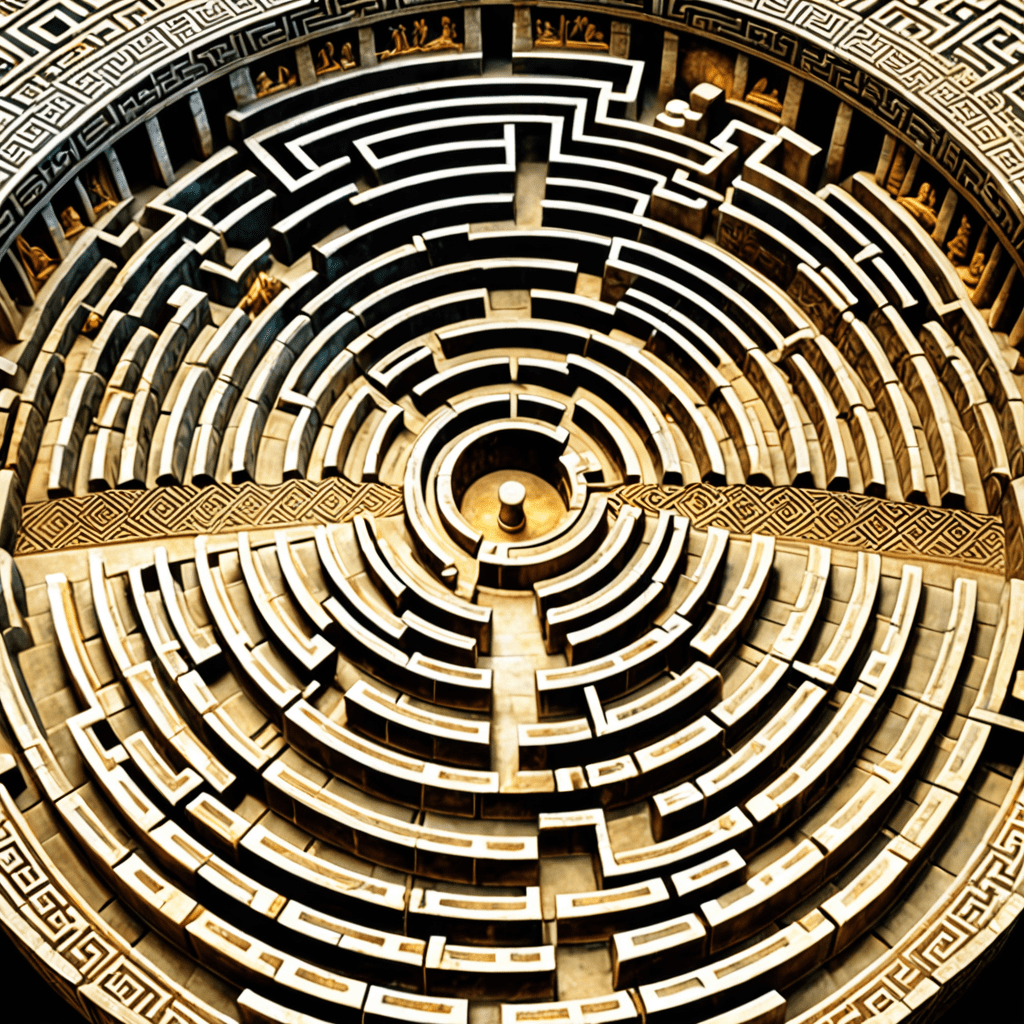
Okay, let's talk mazes. Not the cornfield kind where you're dodging scarecrows after Labor Day (though those are fun too!), but the real deal. The OG labyrinth. We're diving deep into the legend of the Labyrinth Builder of Myth.
Who Was This Mythical Architect Anyway?
The brains behind the beast? That would be Daedalus. A name synonymous with ingenuity, skill, and a touch of, shall we say, questionable decision-making. Think of him as the Steve Jobs of ancient Crete, but instead of iPhones, he was churning out impossibly complex structures. And instead of quarterly earnings reports, he had to deal with a bloodthirsty Minotaur. Talk about pressure!
Daedalus wasn't just a builder; he was an artist. The labyrinth he constructed for King Minos was no mere puzzle; it was a masterpiece of deception. A swirling vortex of corridors designed to hold the Minotaur, a creature half-man, half-bull. Basically, the celebrity offspring of the era, but with considerably less social media savvy.
Must Read
Fun Fact: The word "labyrinth" comes from the ancient Greek word "labyrinthos," which is believed to be derived from the name of the Minoan palace at Knossos in Crete. While the actual palace wasn't a literal maze, its complex layout likely inspired the legend.
The Labyrinth: More Than Just Walls
Imagine walking into a building where every turn leads you further into confusion. That was the brilliance of Daedalus' design. The pathways were so intricately woven that even Daedalus himself barely knew his way around after completing the project! It was the ultimate escape room – with a very hungry prize at the center.
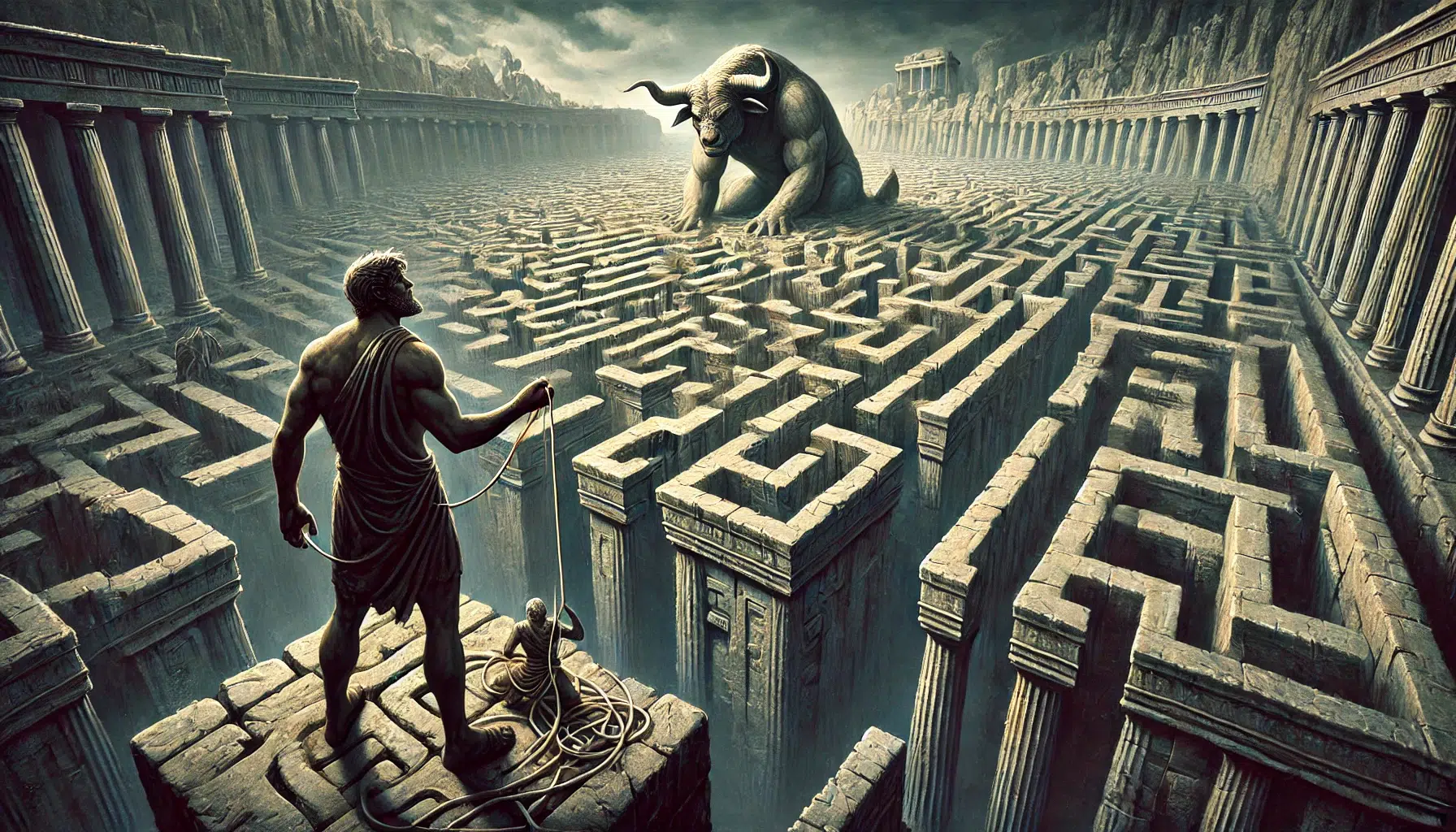
Beyond its practical function, the Labyrinth also served as a powerful symbol. It represented the complexities of life, the deceptive nature of appearances, and the feeling of being lost and disoriented. Sound familiar? We've all been there, right?
Daedalus's Downfall: When Genius Goes South
Here's where the story takes a turn. Daedalus, being the brilliant but slightly rebellious type, eventually fell out of favor with King Minos. Imprisoned along with his son Icarus, he had to come up with an even more ingenious escape plan: wings made of feathers and wax. Cue the iconic image of Icarus flying too close to the sun, the wax melting, and… well, you know the rest.
Practical Tip: This isn't just a cautionary tale about hubris. It's a reminder to be mindful of your own boundaries. Know your limits, especially when pursuing ambitious goals. Don't let the heat get to you!
Cultural Echoes: The Labyrinth in Modern Life
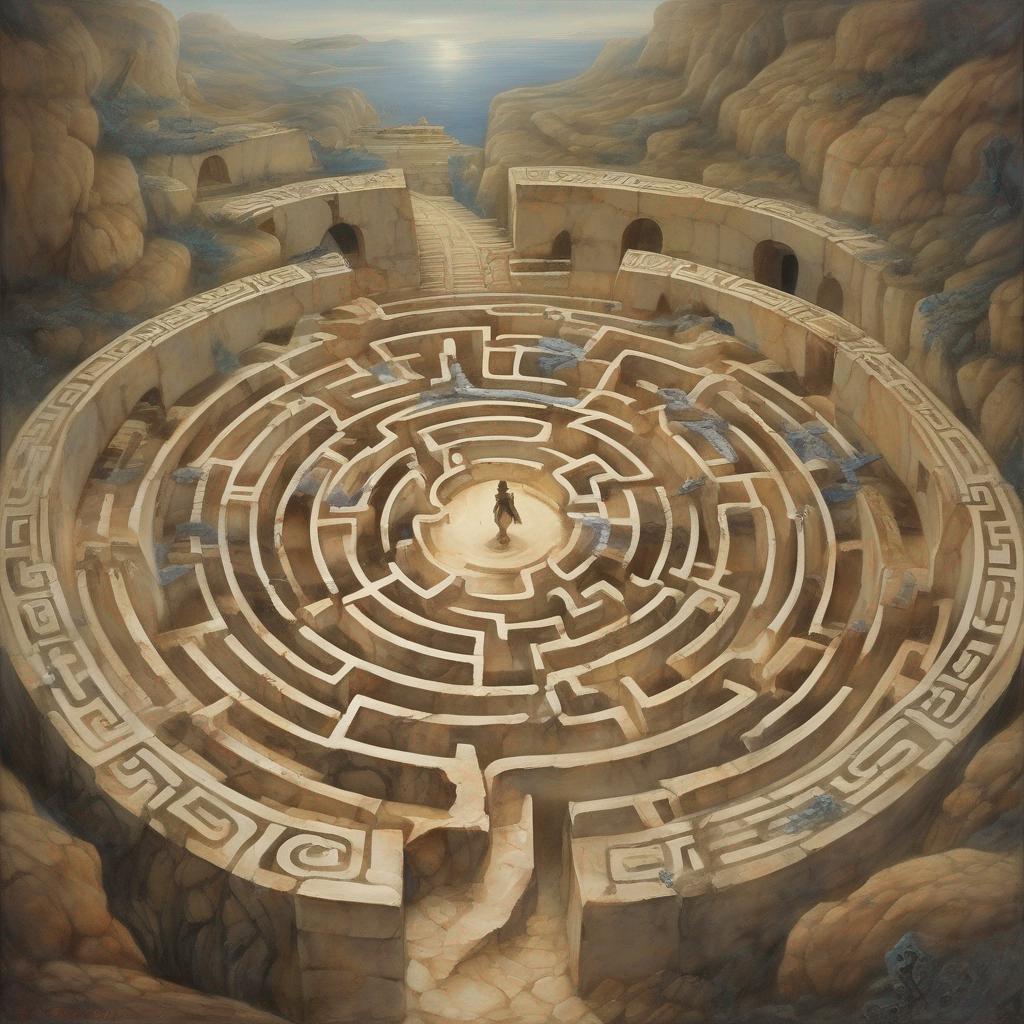
The myth of the Labyrinth continues to resonate throughout our culture. You see it in everything from Harry Potter's Triwizard Tournament maze to the winding streets of video games. Even the internet, with its endless hyperlinks and rabbit holes, can feel like a modern-day labyrinth.
Think about the last time you spent hours clicking through Wikipedia articles, only to realize you have no idea how you ended up reading about the mating habits of the Bolivian tree lizard. That's the Labyrinth in action, folks!

Movie Recommendation: For a visual feast of labyrinthine proportions, check out Guillermo del Toro's Pan's Labyrinth. A dark and beautiful fairy tale that explores the themes of choice, reality, and escape.
So, What's the Takeaway?
The story of Daedalus and his labyrinth is more than just a cool myth. It's a reminder that even the most brilliant minds can face unexpected challenges. It's about the importance of creativity, the dangers of ambition, and the enduring power of human ingenuity.
Think about your own life. Are you navigating a labyrinth of deadlines, relationships, or personal goals? Take a page from Daedalus' book: be resourceful, be innovative, and most importantly, don't fly too close to the sun. Sometimes, the smartest move is to simply find your way back to the entrance and start again.