Kidde Smoke And Carbon Monoxide Detector False Alarm
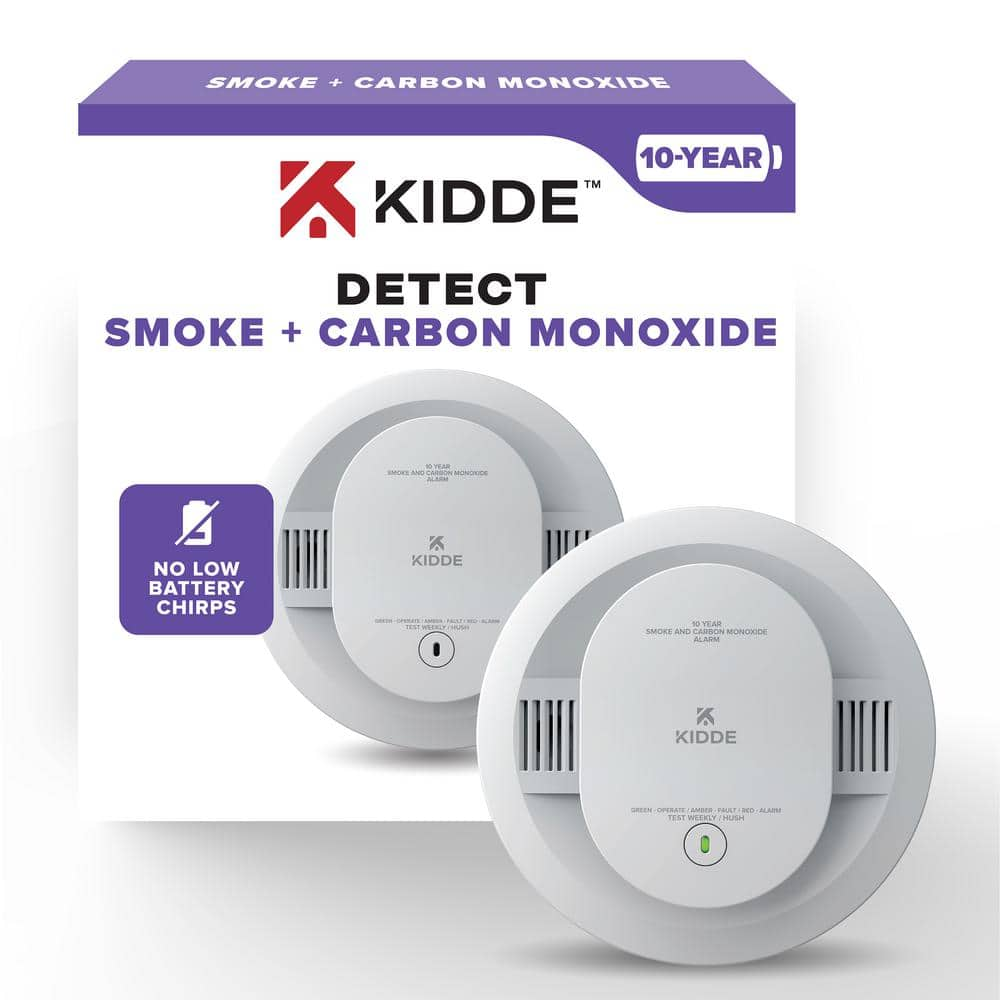
Ah, the sound of a blaring alarm! That sudden, piercing shriek that instantly sends a jolt of adrenaline through you, making your heart pound and your mind race. Is it a fire? Carbon monoxide? An intruder? You leap into action, scanning your surroundings, only to discover... it was just your smoke and carbon monoxide detector throwing a party for no one. If you own a Kidde detector, or any detector for that matter, chances are you've experienced this delightful little surprise. It's a common, often humorous, and definitely useful topic because understanding these false alarms can save you a jump scare, a call to the fire department, and perhaps even a little peace of mind!
Before we dive into the fascinating world of phantom alarms, let's remember why these devices are so crucial. Smoke and carbon monoxide detectors are the silent guardians of our homes. They stand watch, ready to alert us to invisible dangers – smoke from a forgotten pot, or the odorless, colorless, deadly carbon monoxide gas. They provide early warning, giving us precious minutes to react, escape, and keep our loved ones safe. Despite their occasional theatrics, their primary job is literally to save lives, and for that, they deserve our utmost respect (and maybe a little gentle teasing).
So, why does your trusty Kidde detector sometimes decide to cry wolf? Often, the culprits are quite innocent. One of the biggest offenders is cooking mishaps. Burning toast, an over-enthusiastic sear on a steak, or even just dense smoke from a sizzling stir-fry can trigger a smoke alarm. Another common cause is steam and humidity. A long, hot shower with the bathroom door open, or a humidifier running nearby, can fool the sensors into thinking there's an issue. Dust, pet dander, or even tiny insects can accumulate inside the detector's chamber, obstructing the sensor and leading to false alarms. And let's not forget the dreaded low battery chirp, which, while distinct from a full alarm, often causes confusion and panic until you realize it's just begging for a fresh power source.
Must Read
What should you do when your Kidde detector starts its impromptu concert? First, don't panic! Take a deep breath. If there's no obvious sign of smoke or fire, your next step is to ventilate. Open windows and doors to air out the space. If it’s a smoke alarm and you know it’s burnt toast, waving a towel near it can help clear the air. Many Kidde models have a "hush" button on the unit itself – press this to temporarily silence the alarm. After it's quiet, make sure to reset the unit as per the manufacturer's instructions, often by pressing the test button or briefly removing and reinserting batteries.
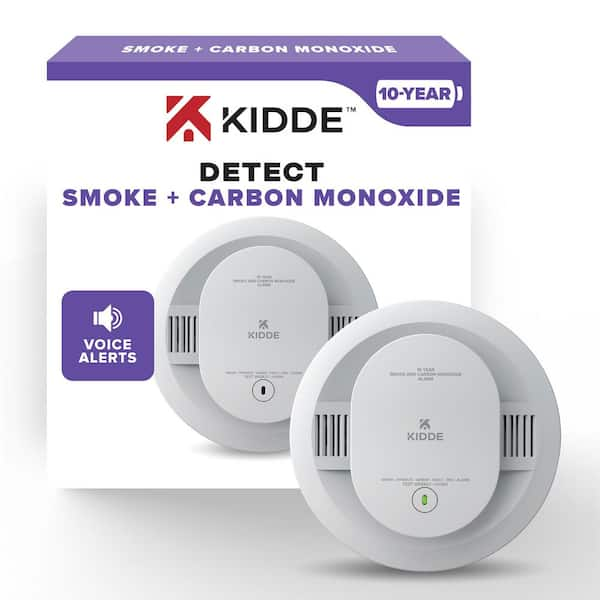
If false alarms become a regular occurrence, consider a few troubleshooting steps. Clean your detector regularly – gently vacuum around the vents to remove dust and debris. Check the batteries; even if not chirping, old batteries can sometimes behave erratically. Ensure your detectors are not placed too close to kitchens, bathrooms, or heating vents where steam and cooking fumes are prevalent. Finally, remember that smoke and CO detectors don't last forever. They have a lifespan, usually around 7-10 years. If your detector is older, persistent false alarms might be a sign it's time for a replacement.
While a false alarm can be an annoying inconvenience, it's a small price to pay for the peace of mind these devices provide. Think of it as your detector getting a little overzealous in its duty to keep you safe. Understanding why they happen and what to do can turn that moment of panic into a quick, manageable situation. So, next time your Kidde detector decides to sing a solo, remember its good intentions, give it a quick check, and appreciate that it's always ready to protect you.