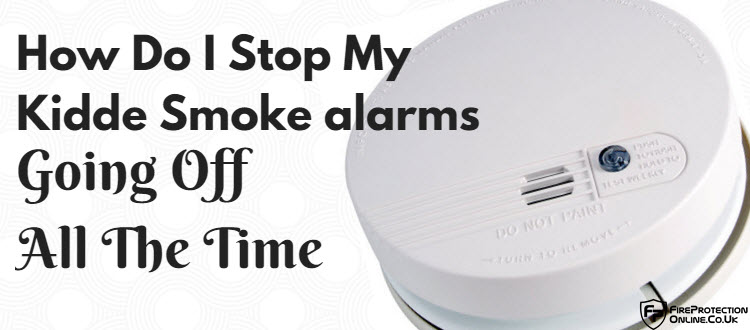
Kidde Smoke Alarm Randomly Going Off

Ah, the humble smoke alarm. That ever-vigilant sentinel perched on our ceilings, quietly watching over our homes. For most of us, it’s a silent guardian, a symbol of security that allows us to sleep soundly, knowing that should the unthinkable happen, we’ll be roused into action. It's not an item we "enjoy" in the traditional sense, but rather one that grants us immense peace of mind – a profound, understated pleasure in modern living. The benefits are clear: these devices are literally lifesavers, designed to give you those crucial extra minutes to escape a fire, protecting both loved ones and cherished possessions.
Smoke alarms serve a singular, vital purpose: early detection. They're the first line of defense, designed to sense the minute particles of smoke that signal a budding blaze, translating that into an unmistakable, ear-splitting warning. From the kitchen, where a forgotten pot might threaten to become a culinary catastrophe, to the hallway, where electrical faults could silently smolder, these sensors are constantly on duty. They come in various forms – ionization, photoelectric, or combined – each finely tuned to detect different types of smoke, from fast-flaming fires to slow, smoldering ones. They're standard in every home, apartment, and business, a foundational pillar of building safety codes worldwide.
But then, there's the Kidde smoke alarm. And sometimes, its guardian spirit gets a little… enthusiastic. Or perhaps, a tad bit confused. Many of us have experienced the midnight symphony of a smoke alarm randomly deciding it’s time for its grand performance, often without any discernable reason. One moment you’re dreaming of sugar plums, the next you’re convinced your house is engulfed in flames, only to find nothing more sinister than… well, nothing. It’s the ultimate jump-scare, a heart-pounding enigma that leaves you standing in the dark, blinking, and wondering if you've upset a poltergeist or simply need new batteries. This is where the "enjoyment" shifts from peace of mind to the absurd theater of life, offering a unique blend of frustration, adrenaline, and eventual comedic relief.
Must Read
So, how can you "enjoy" this peculiar quirk more effectively, or at least, navigate it with grace and a dose of humor? First, and most importantly, always assume it's real until proven otherwise. A quick, thorough check of the premises is non-negotiable. Once you've confirmed it's a false alarm, the fun begins! Start with the obvious: check the battery. A low battery often manifests as an irritating chirp, but sometimes, a dying battery can trigger a full-blown meltdown. Next, consider dust. A build-up of dust, or even a spider, can mimic smoke particles, sending your alarm into a frenzy. A quick vacuum or blast of compressed air can work wonders. Be mindful of its location; steam from a shower or aggressive cooking fumes can sometimes trigger the photoelectric types.
If the random alarms persist, even after battery changes and cleaning, it might be time to consider a replacement. Like all electronics, smoke alarms have a lifespan, typically around ten years. Over time, their sensors can become less reliable, leading to these phantom warnings. Think of it as your alarm’s eccentric way of telling you it's ready for retirement. Finally, embrace the experience! Treat it as a bizarre, involuntary cardio workout. Relish the story you’ll tell about the night your house apparently caught fire from absolutely nothing. You’re not just maintaining safety; you’re engaging in a minor domestic drama, and sometimes, a little unexpected excitement (even if it’s just the sound of a shrieking alarm at 3 AM) makes for a memorable tale. So next time your Kidde alarm decides to throw an unscheduled party, remember: you’re part of an exclusive club, and you're handling it like a true domestic hero.