Job Responsibilities Of Technical Support
In our modern world, technology is less of a tool and more of an extension of ourselves. From the smartphones that keep us connected to loved ones, to the laptops that power our work and entertainment, and even the smart thermostats that make our homes comfy – we interact with a dazzling array of gadgets daily. Most of the time, they work flawlessly, bringing convenience, joy, and efficiency into our lives. We stream movies, share photos, pay bills, and navigate new cities, often without a second thought. It’s an amazing dance of silicon and software that has transformed how we live, work, and play, making once complex tasks incredibly simple and accessible for everyone.
But what happens when that seamless dance hits a snag? When the Wi-Fi drops, the printer refuses to print (as it always does), or your beloved device suddenly decides to play dead? This is where the unsung heroes of the digital age step in: Technical Support professionals. Their job responsibilities are vast and varied, all designed with one ultimate goal in mind: to restore your technological harmony and bring you back to that state of effortless digital living. They are the frontline troubleshooters, the digital detectives, and often, the calm voices in our moments of technological panic.
The core purpose of technical support is simple yet profound: to bridge the gap between complex technology and the everyday user. They ensure that our digital tools remain just that – tools – not sources of endless frustration. Their benefits manifest in countless ways. For businesses, they minimize downtime, keeping operations running smoothly and preventing costly interruptions. For individuals, they save precious time and prevent stress, ensuring we can stay connected, productive, and entertained. They offer peace of mind, knowing that a solution is often just a phone call or chat away, preserving our digital investments and our sanity.
Must Read
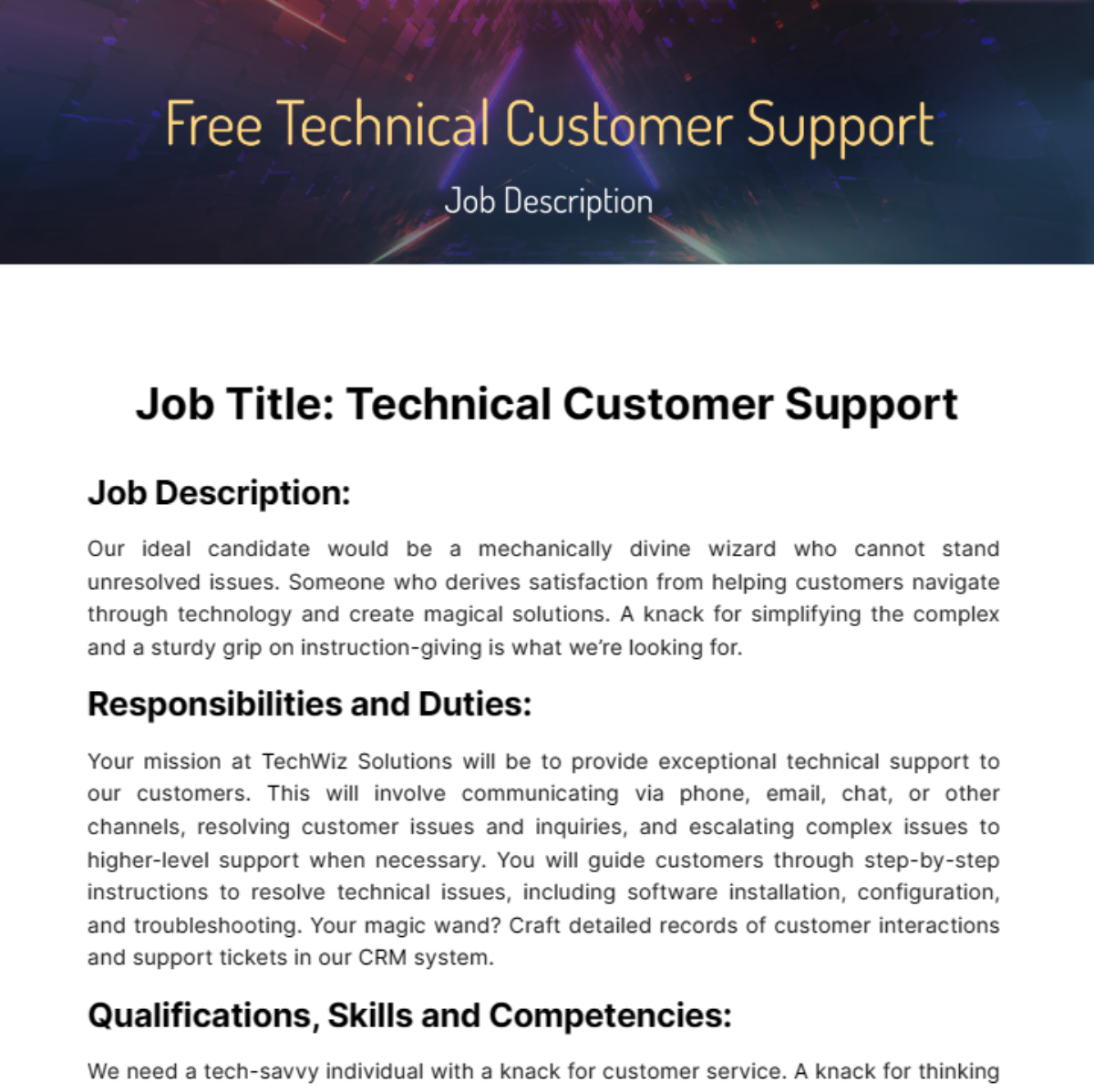
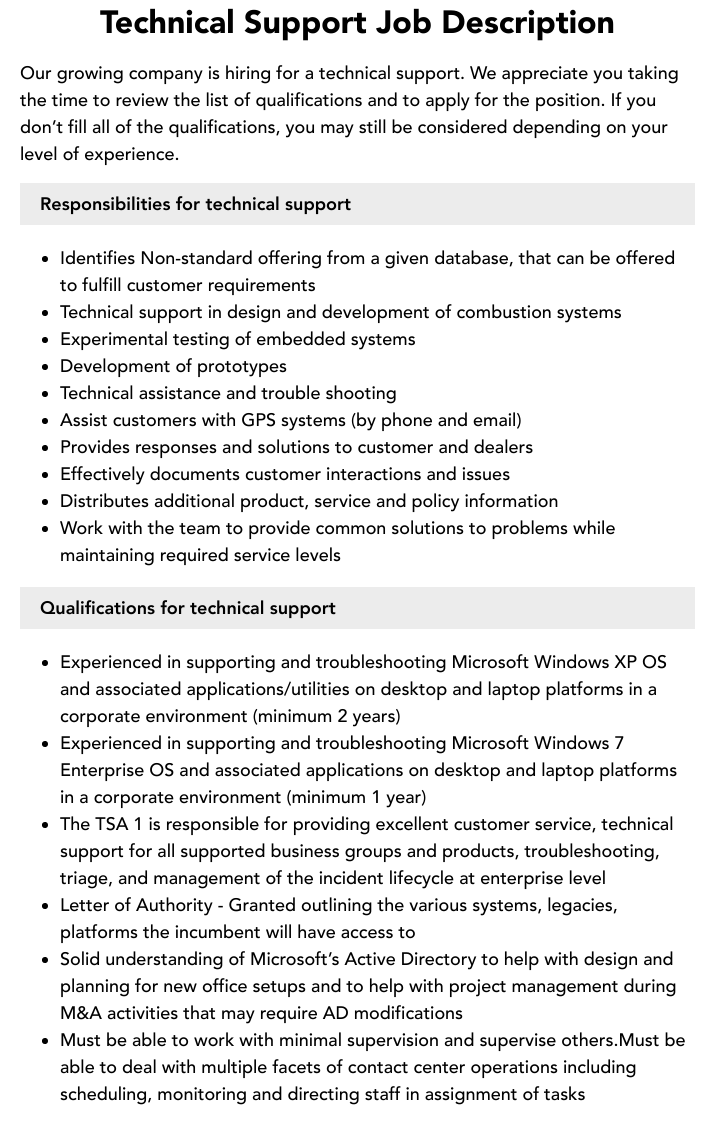
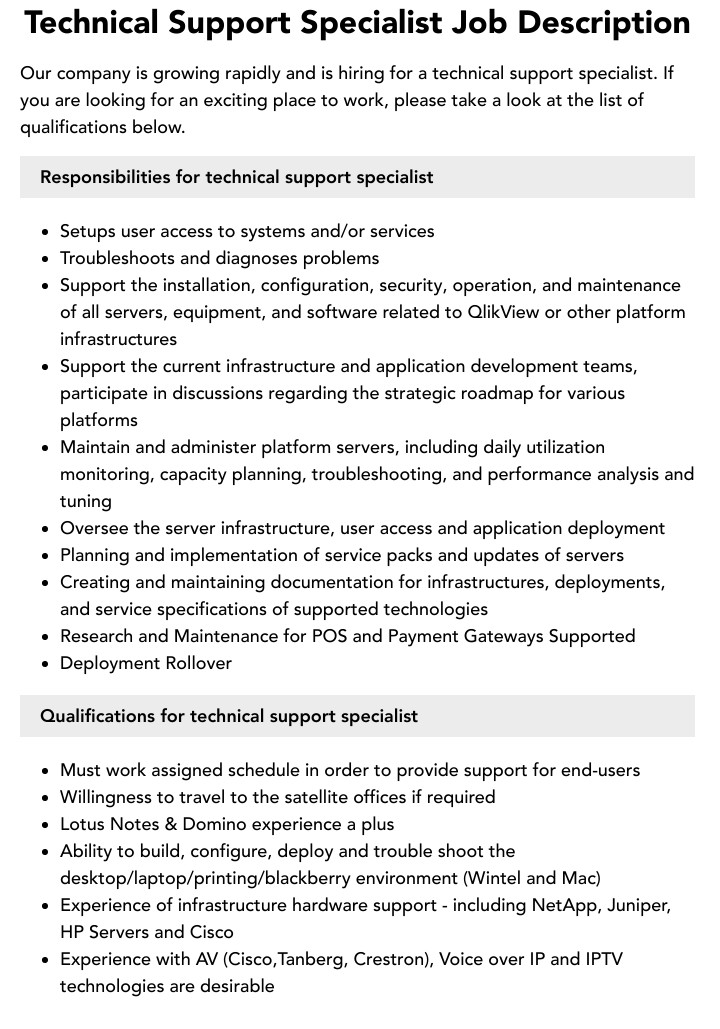
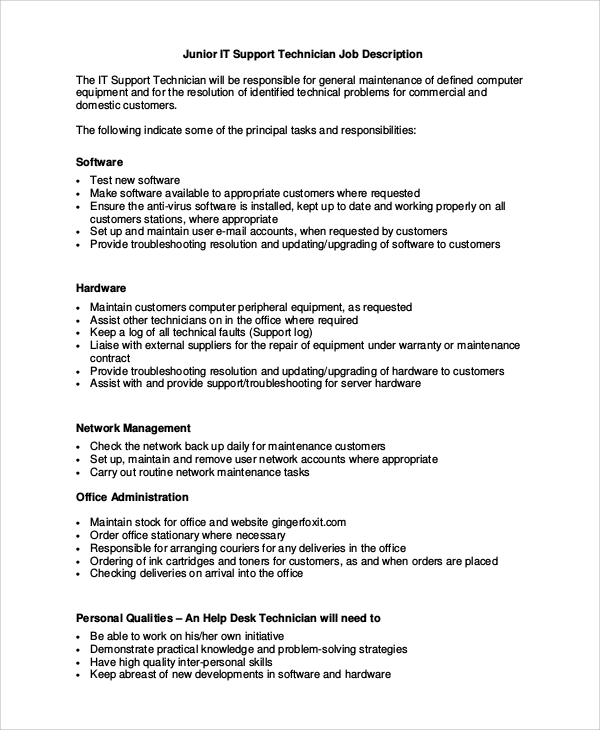
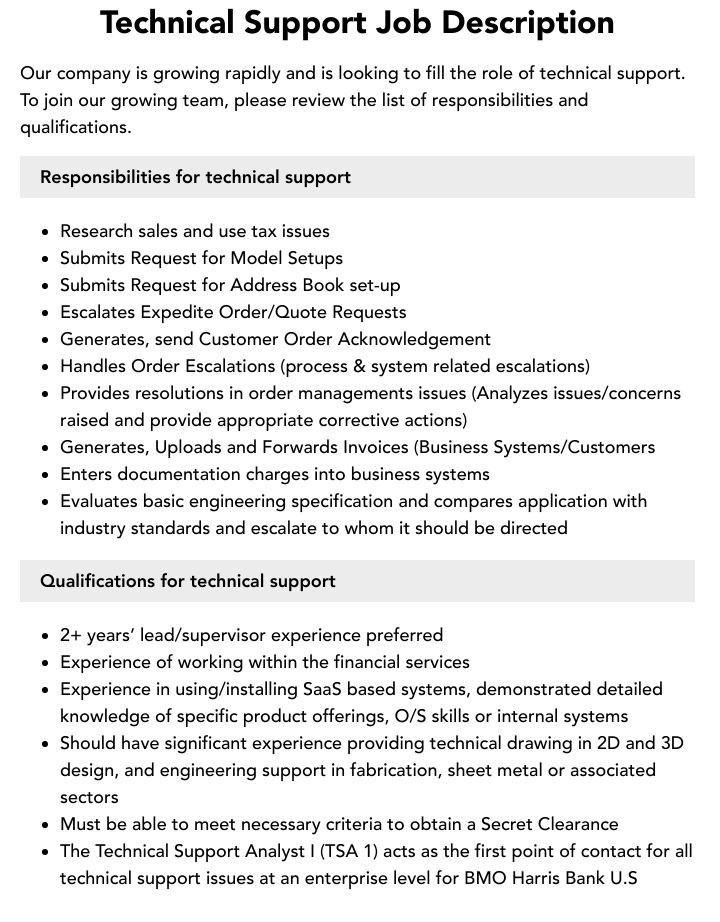
So, what exactly do these tech wizards do all day? Their responsibilities can range from the seemingly mundane to the incredibly intricate. They’re the ones patiently guiding you through a password reset, diagnosing why your email isn't syncing, or explaining how to connect a new smart device to your network. They troubleshoot baffling error messages, debug software glitches, and sometimes even walk you through a complex hardware installation over the phone. Ever heard the classic, "Have you tried turning it off and on again?" That's just the tip of the iceberg! They manage ticketing systems, provide remote assistance, educate users on best practices, and often escalate issues to higher-level engineers when problems get particularly gnarly. In essence, they’re problem-solvers, educators, and digital navigators all rolled into one.
To make your interactions with these invaluable professionals as effective and painless as possible, here are a few practical tips. Firstly, be prepared. Before you call, try to have your device information handy, note down any error messages, and be ready to describe exactly what happened leading up to the problem. Secondly, be clear and concise in your explanation of the issue – help them help you. Thirdly, and perhaps most importantly, be patient and kind. Remember, they are humans too, often dealing with a high volume of calls and frustrated users. Following their instructions carefully is crucial, even if it seems counter-intuitive. A little bit of understanding and cooperation on your part can go a long way in swiftly getting you back to enjoying your technology, seamless and stress-free.