
Is Transparent Financial A Pyramid Scheme
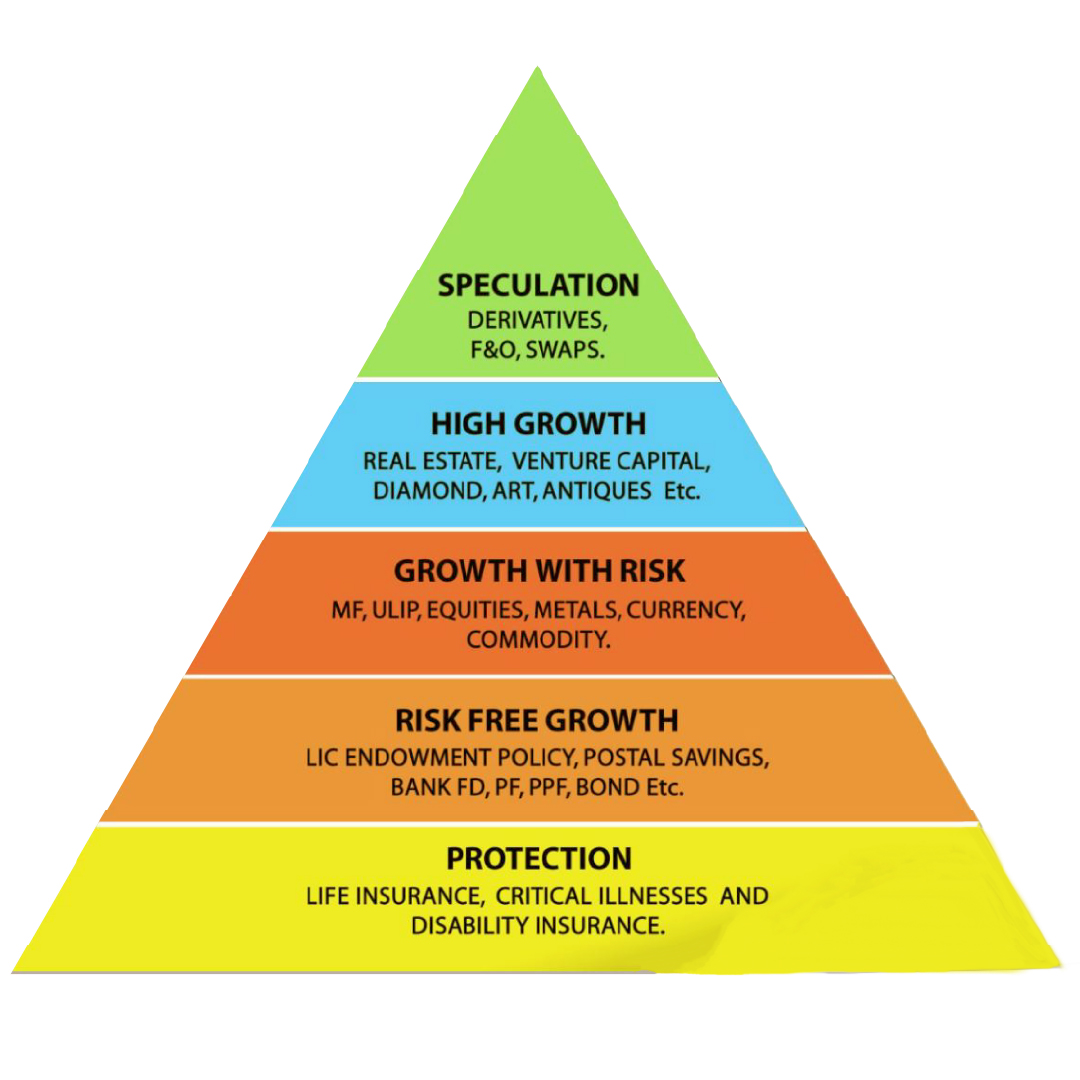
Let's face it, talking about money can be a bit dry. But when the conversation turns to making money, and especially when the words "passive income" and "financial freedom" get thrown around, things suddenly become a whole lot more interesting! Today, we're diving into the world of Transparent Financial (or at least, purported transparency) and asking the question on everyone's mind: Is it a legitimate opportunity, or is it a pyramid scheme cleverly disguised?
Understanding the difference is crucial. Nobody wants to pour their hard-earned cash into something that's destined to collapse, leaving them empty-handed. So, buckle up, because we're about to unpack the key characteristics of pyramid schemes and see how Transparent Financial stacks up.
First, let's understand the purpose and supposed benefits of Transparent Financial. Typically, these kinds of ventures promise to help you achieve financial independence through a system that involves recruiting new members. The core benefit, they'll tell you, is building a downline – a network of people you've brought into the program. The more people you recruit, the higher you climb in the ranks, and the more money you supposedly make. Sounds great, right? Well, not so fast.
Must Read
The hallmark of a pyramid scheme is that money primarily comes from recruiting new members, rather than from selling a valuable product or service. The focus is on building the pyramid, not on the actual value offered. If new recruits dry up, the entire structure collapses, and the people at the bottom – the vast majority – lose their investments. That's the danger zone.
So, how can you tell if Transparent Financial is a legitimate business opportunity or a cleverly disguised pyramid scheme? Here are a few key questions to ask:
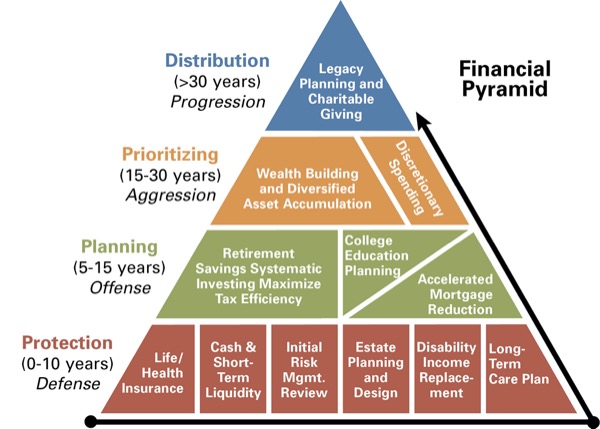
- What's the product (or service)? Is there a tangible product or service being offered, and is it something people actually want and need? Or is the main focus on recruiting?
- Where does the money come from? Are members earning primarily from selling products/services or from recruiting new members? A heavy emphasis on recruitment is a major red flag.
- Is there a recruitment quota? Are members required to recruit a certain number of people to advance in the program or receive commissions?
- Is the product/service overpriced? Are the products/services offered at inflated prices, suggesting that the real value lies in the recruitment process, not the product itself?
Do your due diligence! Research Transparent Financial thoroughly. Read reviews from multiple sources – not just the ones on their website. Talk to people who have participated (both those who have succeeded and those who haven't). And, most importantly, trust your gut. If something feels too good to be true, it probably is.
Ultimately, the decision of whether or not to participate in Transparent Financial is yours. But by understanding the characteristics of pyramid schemes and asking the right questions, you can make an informed decision and protect yourself from potential financial harm. Remember, informed investing is smart investing!


