
Is The Type Of Vision Useful In Sensing Motion
Motion: It's All in How You See It!
Ever watched a cat stalk a laser pointer? Or maybe marveled at a hummingbird's impossibly fast wing beats? What's the secret sauce that lets us (and them!) perceive movement with such precision? Let's dive into the fascinating world of motion perception!
Our eyes are amazing tools. But did you know that the type of vision we use plays a huge role in how well we sense motion?
Two Eyes Are Better Than One (Especially for Motion!)
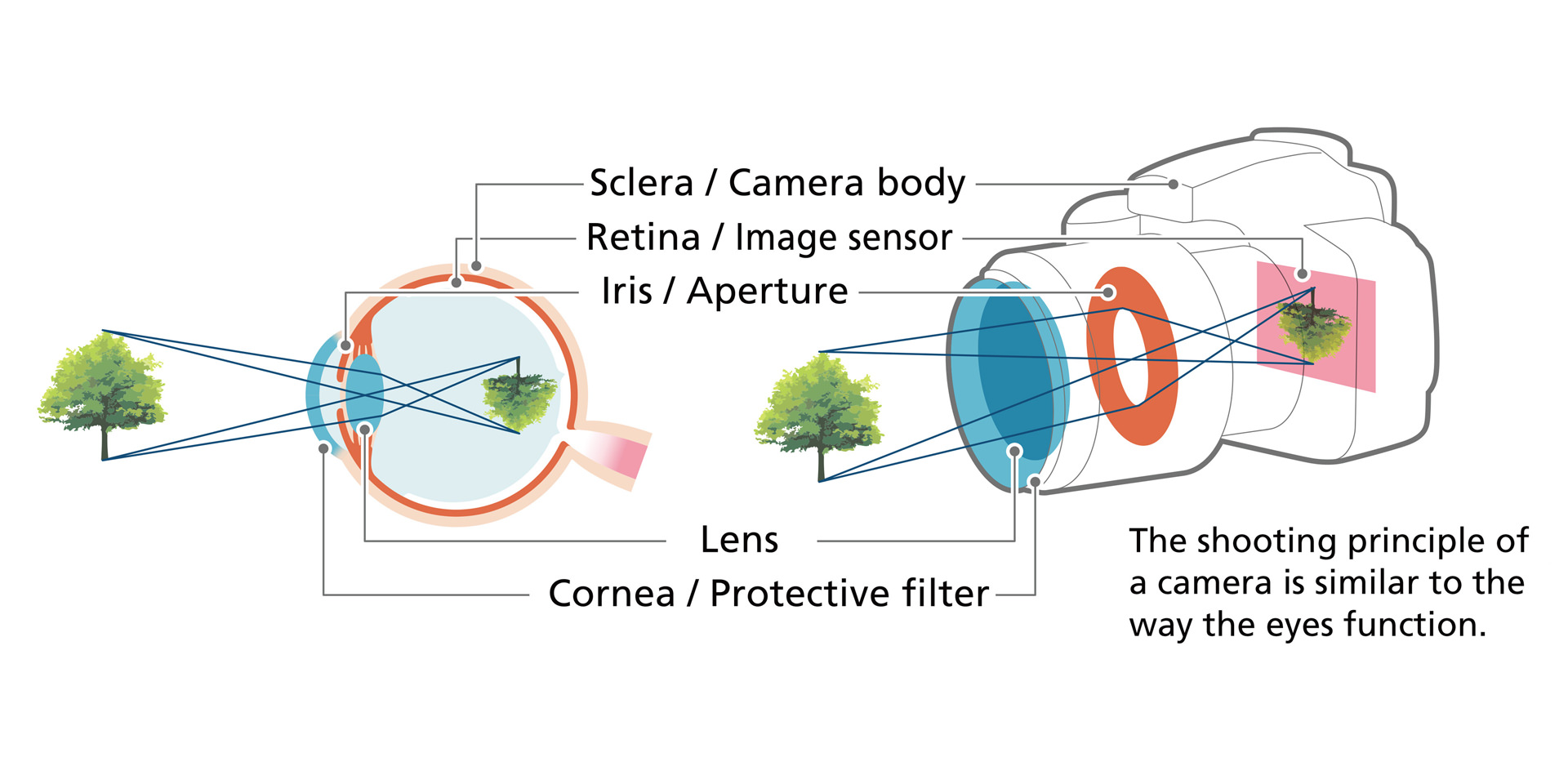
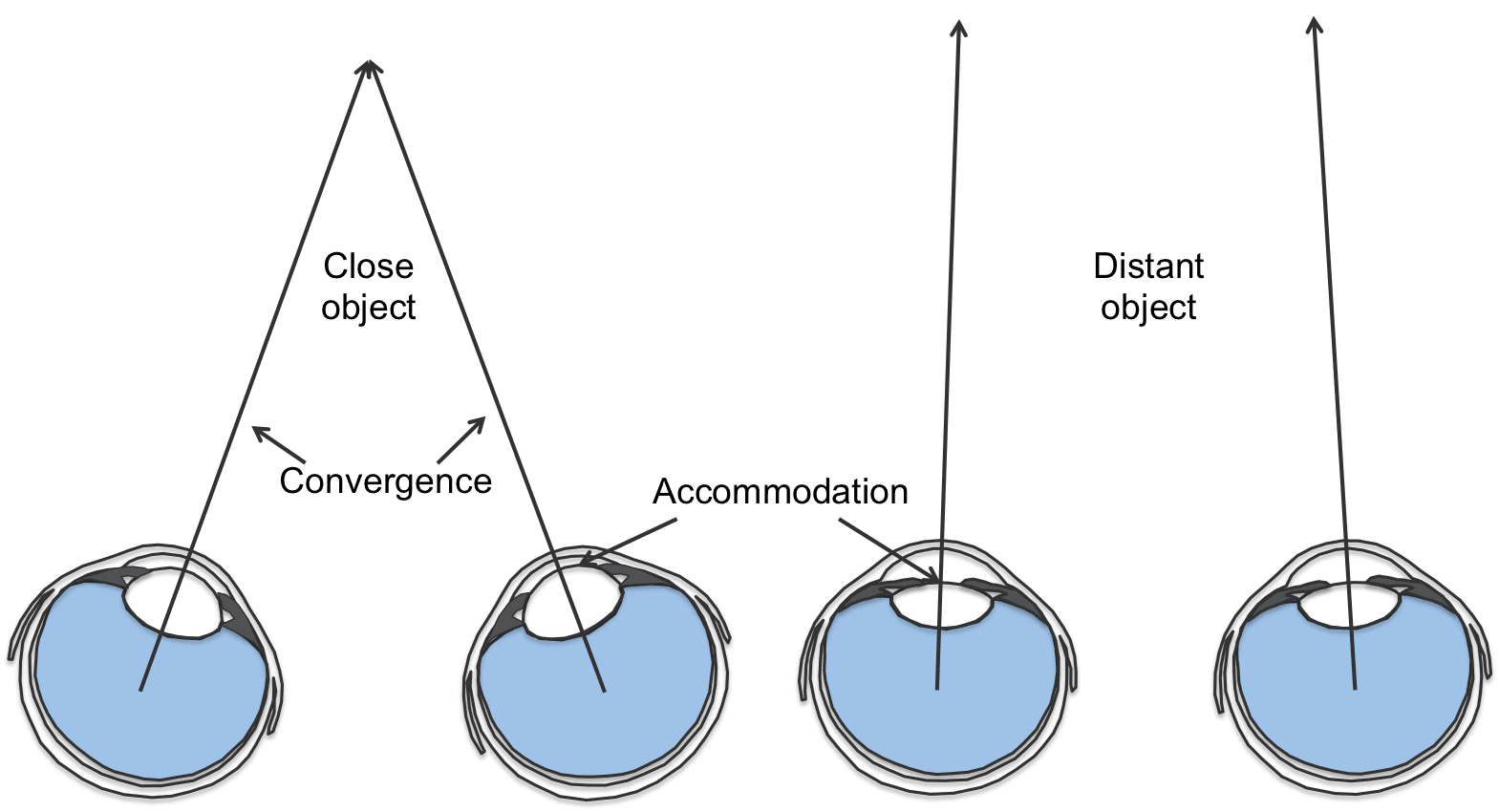
Think about it. Why do we have two eyes anyway? Sure, it gives us a wider field of view. But more importantly, it gives us depth perception! This is where the magic of motion sensing really starts to happen.
Must Read
Each eye captures a slightly different image. Our brain then compares these images, calculating the distance to objects. This process, called stereopsis, is crucial for judging how far away something is and how fast it's moving towards us.
Imagine trying to catch a ball with one eye closed. Suddenly, it's a lot harder, right? That's because you've lost that vital depth information that your two eyes provide. It's like trying to navigate with only half a map!
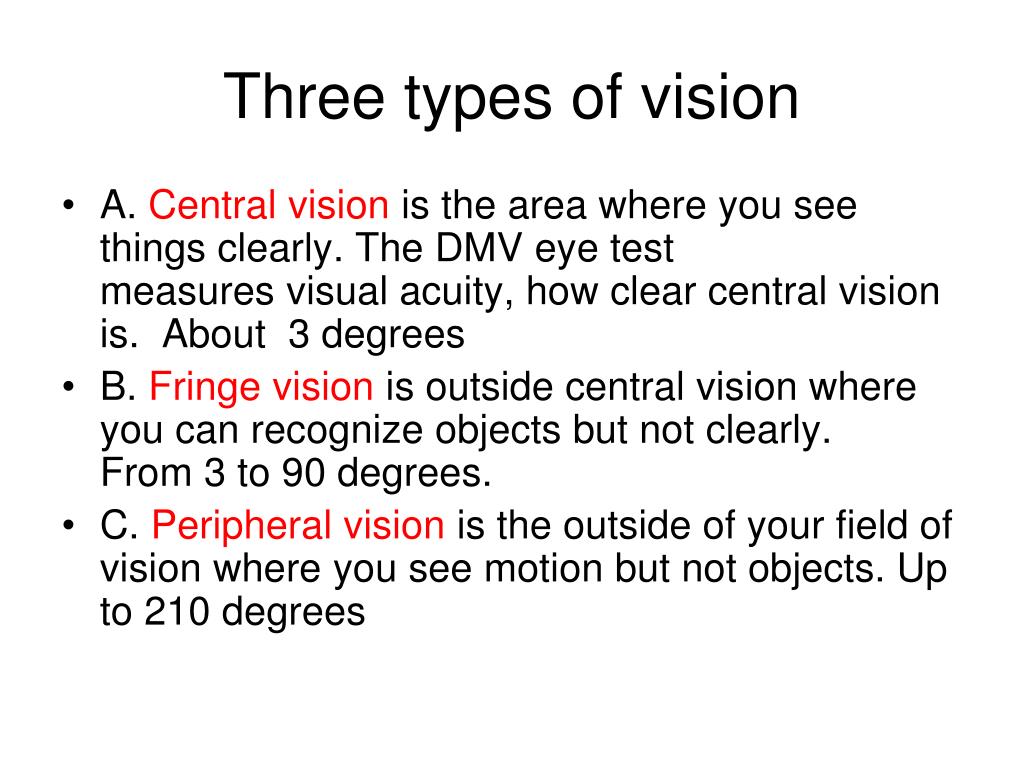
Peripheral Vision: The Unsung Hero of Motion Detection
Now, let's talk about your peripheral vision. You know, the blurry stuff at the edges of your sight? It might not be great for reading tiny text. But it's a superstar when it comes to spotting movement!
Peripheral vision is designed to detect changes in the environment. This is thanks to specialized cells in the retina that are highly sensitive to motion. So, that feeling of being watched when someone enters the room without you looking directly at them? That's your peripheral vision doing its job!
Think about animals like rabbits. They have eyes positioned on the sides of their heads. This gives them a wide field of view and excellent peripheral vision. This is vital for spotting predators sneaking up on them!
Central Vision: Detail is King (and Sometimes Slow)
Our central vision, the fovea, is where we see the sharpest detail. It's perfect for reading, recognizing faces, and admiring artwork. However, it's not as quick at detecting motion as our peripheral vision.
The fovea is packed with cone cells, which are great for color and detail. But they require more processing time. This makes them less efficient at quickly registering movement. It's like trying to take a high-resolution photo of a race car – it's likely to be blurry!
Color Vision's Quirky Relationship with Motion
Here's a fun fact: color vision can sometimes trick us when it comes to motion! Certain color combinations, like red and blue stripes, can create the illusion of movement. This is why some patterns seem to shimmer or vibrate even when they're perfectly still.

This phenomenon is due to the different ways our brain processes colors. And the slightly different speeds at which the color signals travel. It's a fascinating example of how our visual system can be fooled!
Is one type of vision more important?
The short answer is no! Both our central and peripheral vision are essential. They work together to give us a complete picture of the world around us.
Central vision provides the detail and focus. Peripheral vision alerts us to potential threats or opportunities.
It's a beautiful example of how different parts of our visual system specialize in different tasks. It allows us to navigate a complex and dynamic environment.
Motion Illusions: When Your Brain Gets Tricked!
Speaking of being fooled, motion illusions are a super fun way to explore how our brains perceive movement. There are tons of these optical illusions online. Some create the sensation of spinning, flowing, or expanding patterns even when the image is static.
These illusions exploit the way our brains process visual information. Specifically how it tries to predict future movement based on past experiences.
Next time you see a mind-bending motion illusion, take a moment to appreciate the amazing complexity of your visual system. And the fact that it can sometimes be delightfully tricked!
Explore the World of Motion!
So, there you have it! A glimpse into the fascinating world of motion perception and the different types of vision involved.

From the depth perception provided by our two eyes to the lightning-fast reactions of our peripheral vision, our visual system is a marvel of engineering.
Next time you're watching a sporting event, observing animals in the wild, or simply navigating your daily life, take a moment to appreciate the incredible ability of your eyes to perceive motion. It's truly something special!
Now go forth and observe! See what motion secrets you can uncover!