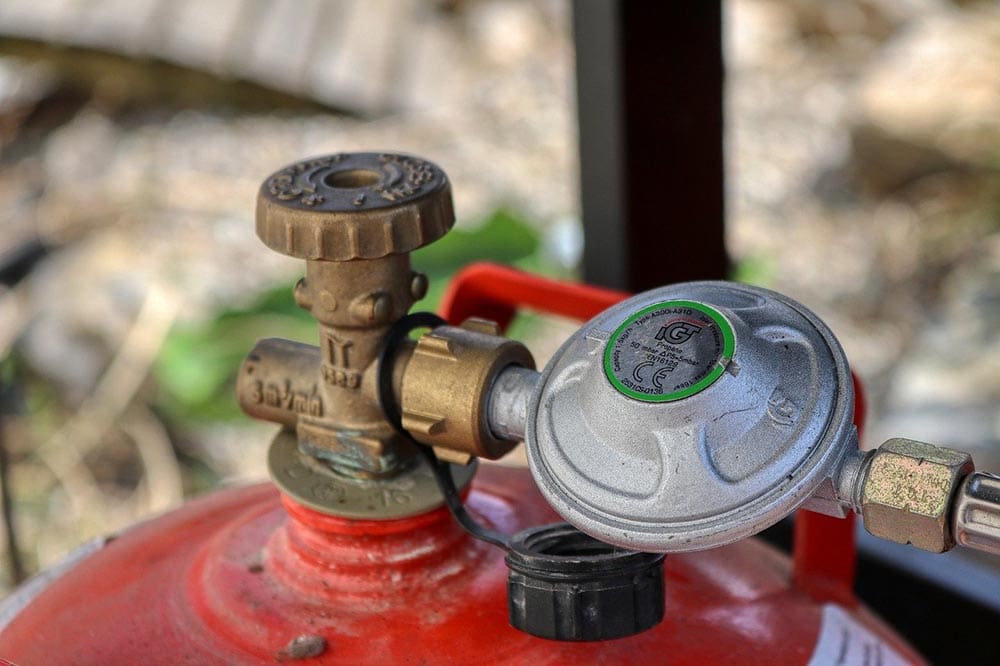
Is Propane Heavier Or Lighter Than Air
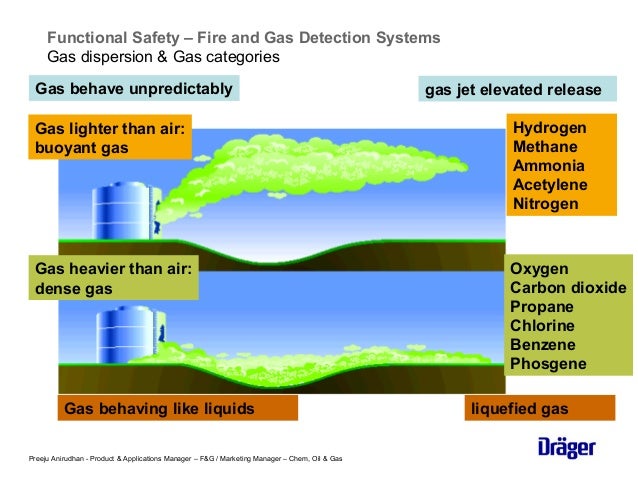
Picture this: It’s a perfect Saturday afternoon. The grill is heating up, friends are on their way, and the distinct, reassuring hiss of your propane tank fills the air as you fire up the BBQ. Or maybe you’re out camping, enjoying the warmth of a propane fire pit under the stars. Propane is an invisible workhorse in so many aspects of our modern lives, from cooking delicious meals to keeping our homes cozy. But have you ever paused to wonder about the gas itself?
Specifically, a question that often pops up in the back of our minds – usually when we’re attaching a new tank or lighting a burner – is this: Is propane heavier or lighter than air? It sounds like a simple physics question, but understanding the answer is actually a little superpower that can keep you safer and make you a savvier user of this versatile fuel.
The Great Gravity Debate: Propane's Secret
Alright, let’s cut to the chase and settle this once and for all. Drumroll, please… propane is heavier than air. By a fair margin, actually! While air itself is a mix of gases (mostly nitrogen and oxygen), propane molecules are denser, meaning they have more mass packed into the same amount of space compared to the average air molecule.
Must Read
Think of it like this: If you have a bowl of fluffy popcorn and a bowl of marbles, the marbles are heavier, right? Even if the bowls are the same size. Propane molecules are the "marbles" in this scenario, while air molecules are the "popcorn." This seemingly small scientific detail has some pretty significant implications for how we store, use, and respect propane.
So, What Does That Mean for You?
Because propane is heavier than air, it behaves in a very specific way: it sinks. If there’s a leak, the propane doesn’t just float away and dissipate into the atmosphere like a whimsical cloud. Oh no. It collects in low-lying areas. This is super important to remember!
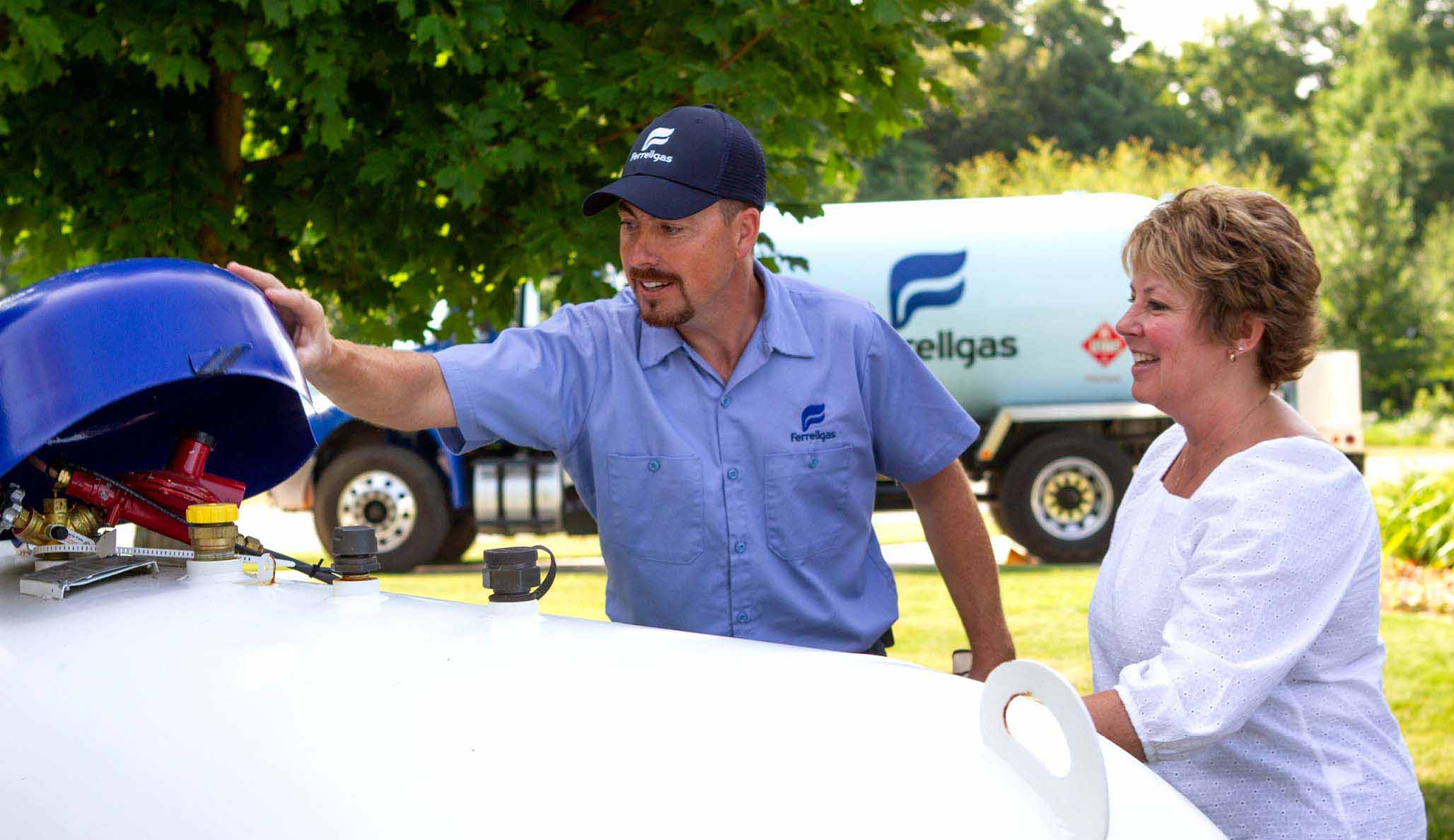
- The Basement Blues: Never, ever store propane tanks indoors, especially not in a basement or any enclosed space below ground level. If a leak occurs, the propane will pool at the bottom, creating a potentially dangerous concentration.
- Ditches & Drains: Outdoors, a propane leak will settle into ditches, drains, or any depressions in the ground. Keep your tanks on level, open ground where ventilation is excellent.
- Boat Bilges & RVs: If you use propane in an RV or on a boat, be acutely aware of ventilation. Leaks can accumulate in enclosed compartments, leading to hazardous situations. Always ensure proper ventilation and use approved marine or RV propane systems.
This is why you’ll often hear safety warnings about adequate ventilation when using propane appliances. If you smell gas, the first thing to do is ventilate, ventilate, ventilate! Open windows, doors, and get some fresh air moving.
Beyond the BBQ: Fun Propane Nuggets
Let's sprinkle in a few more tidbits to elevate your propane prowess! Did you know that pure propane is actually odorless? That distinct, rotten-egg smell we associate with a gas leak isn't propane itself. It's a harmless chemical called mercaptan that's intentionally added to make leaks detectable. Talk about a thoughtful safety feature!
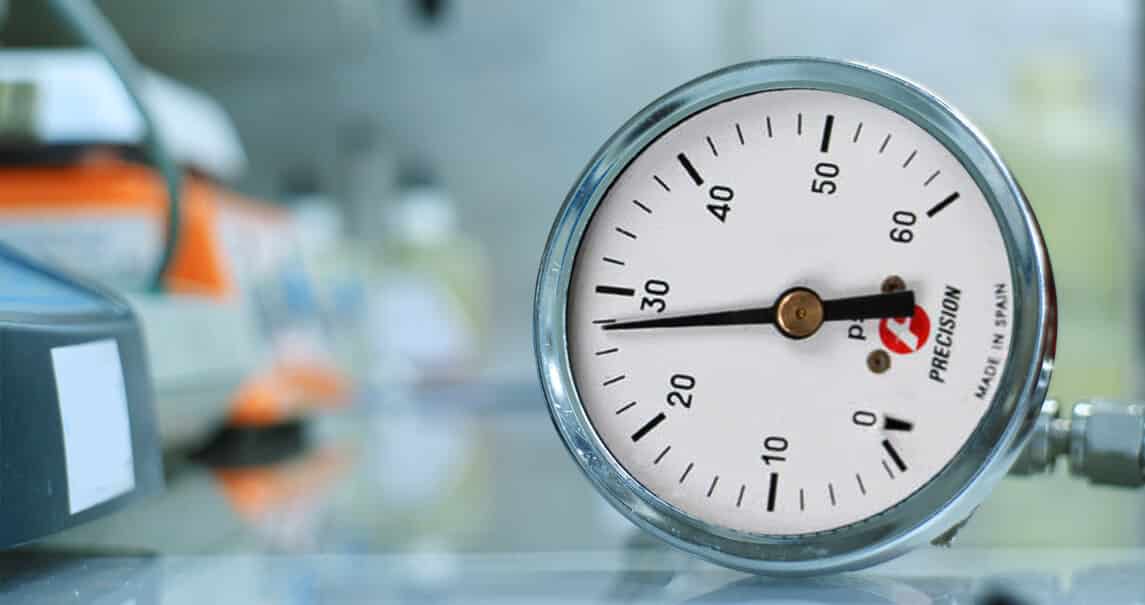
And here's a fun comparison: while propane is heavier than air, its cousin, natural gas, is lighter than air! This means natural gas tends to rise and disperse more readily in an outdoor environment, but still requires extreme caution indoors. It's why your natural gas detector might be placed high on a wall, while a propane detector would be closer to the floor. Knowing the difference between these fuels is key!
From fueling forklifts in warehouses to powering entire neighborhoods during a power outage, propane truly is an unsung hero. It's even featured in pop culture – who can forget Hank Hill from "King of the Hill," perpetually espousing the virtues of "propane and propane accessories"?

A Little Science, A Lot of Peace of Mind
So, there you have it! Propane: heavier than air. It’s a simple fact, but one that carries a lot of weight (pun intended!) when it comes to safe usage. Understanding this fundamental property isn't about fear-mongering; it's about empowerment. It allows us to make smarter decisions, ensuring our grilling sessions are delicious, our camping trips are cozy, and our homes are safe.
Next time you light up that grill or connect a propane tank, you'll do so with a little extra knowledge and confidence. It's these small, everyday pieces of information that not only broaden our understanding of the world but also contribute to a smoother, safer, and more enjoyable daily life. Stay curious, stay safe, and enjoy those propane-powered moments!