
Is It Illegal To Resell Fake Items

So, you've stumbled upon a "designer" bag that's suspiciously cheap? Maybe a "Rolex" watch going for the price of a pizza? Tempting, right? But hold on! Before you start dreaming of becoming a millionaire by reselling these treasures, let's talk about something important: Is it illegal to resell fake items?
The Fake Frenzy: What's the Deal?
First, let's be clear. We're not talking about vintage finds or quirky handmade items. We're talking about counterfeit goods. These are knock-offs designed to look exactly like the real thing – think fake logos, identical packaging, the whole shebang. Reselling these isn't like selling your old clothes at a yard sale.
Imagine you find what looks like a genuine Gucci belt for next to nothing. It’s got the double G logo, the fancy buckle, everything! You figure you can flip it online for a tidy profit. Easy money, right?
Must Read
The Legal Lowdown: Trouble Ahead?
Well, that's where things get sticky. Selling counterfeit goods is often illegal. Why? Because you’re not just selling a cheap belt. You're infringing on the trademark and copyright of the real Gucci company. Think of it this way: you're essentially stealing their brand and reputation to make a buck.
These laws exist to protect big brands from losing money and their reputation for quality. They spent years building trust with customers. Counterfeit goods undermine that trust.
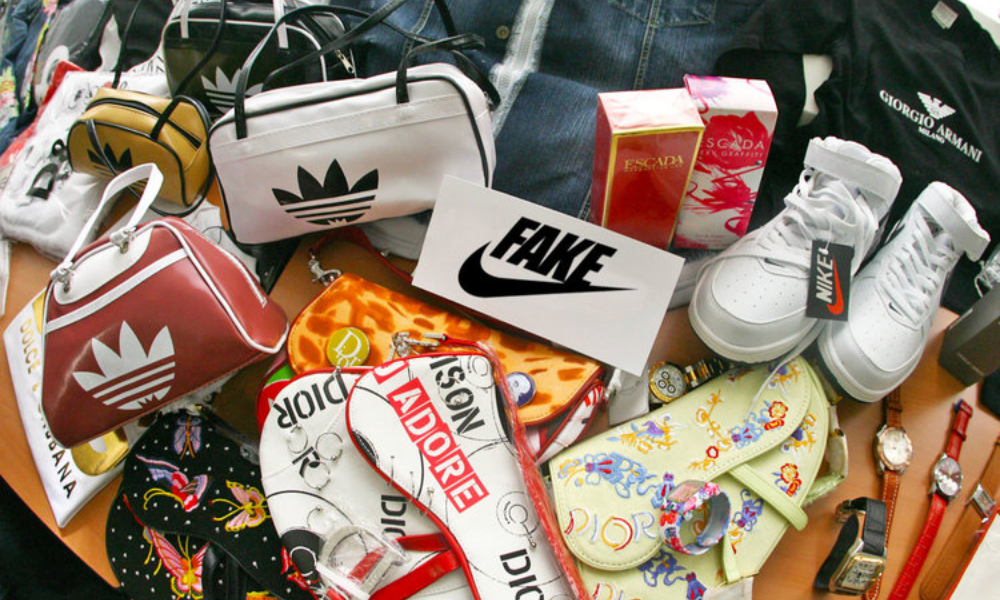
What happens if you get caught? You could face some serious consequences. We’re talking fines. We’re talking potential lawsuits from the brand owner. And, in some cases, we’re even talking about jail time! Not so fun anymore, is it?
"Ignorance of the law is no excuse," as they say.
But I Didn't Know It Was Fake!
Okay, let's say you genuinely didn't know the item was counterfeit. You bought it at a flea market or from a shady online seller. Does that get you off the hook? Maybe. Maybe not.
Even if you didn't intend to sell a fake, you could still be held liable. The key is whether you should have known it was fake. Was the price ridiculously low? Did the quality seem subpar? If red flags were waving, you're still at risk.
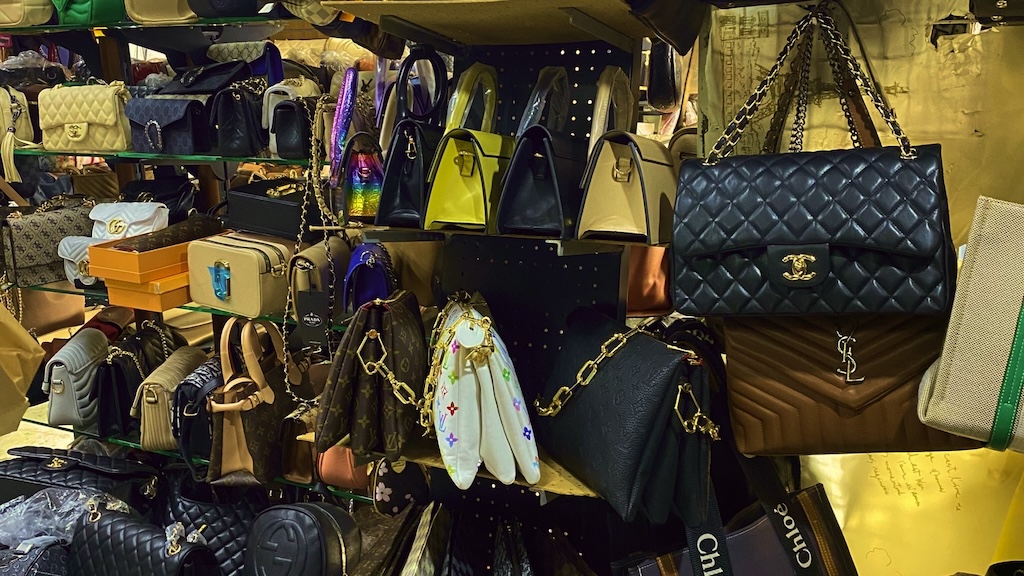
Buyer Beware (And Seller Too!)
So, what's the takeaway? When it comes to reselling items, especially online, do your homework! Check the seller's reputation. Examine the product closely. If a deal seems too good to be true, it probably is.
Protect yourself by asking questions. Request detailed photos. Compare the item to authentic versions online. And if you're still unsure, it’s better to walk away.
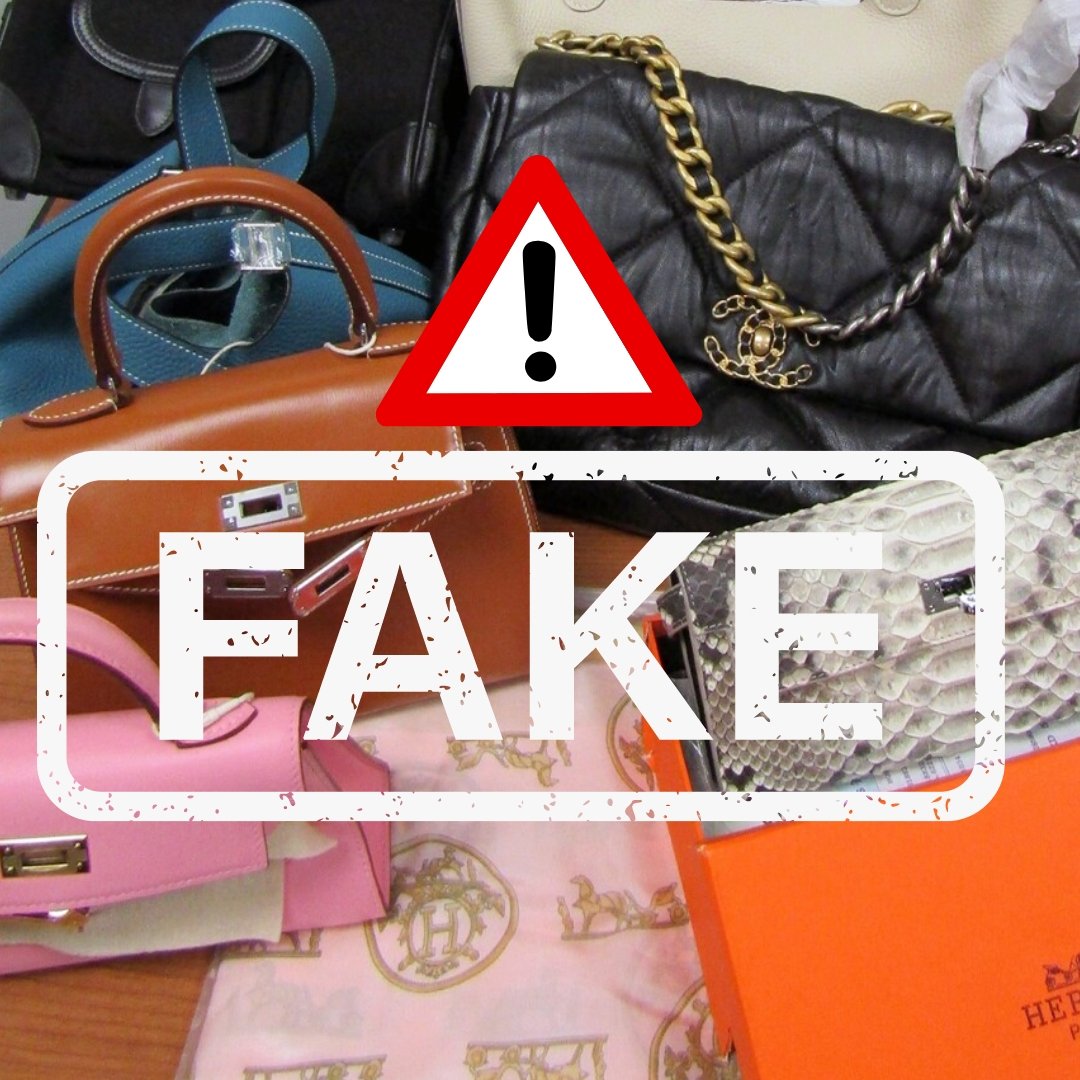
The Ethical Angle: Is It Fair?
Beyond the legal stuff, there's also the ethical consideration. Is it really fair to mislead buyers into thinking they're getting the real deal? Probably not. Selling fake items hurts consumers who believe they are buying a quality, genuine product.
It also damages the brand's reputation. Think about it: if someone buys a fake Louis Vuitton bag that falls apart after a week, they might blame Louis Vuitton, even though the company had nothing to do with it.
Staying on the Right Side of the Law
So, avoid the fake frenzy! Stick to reselling items you know are authentic. Or, better yet, focus on unique vintage finds or handmade crafts. There's a huge market for genuine and original products. You don't need to risk legal trouble to make a profit.

Plus, there's something far more rewarding about selling items with a story – items that aren't trying to be something they're not. Remember, authenticity is always in style!
Before you list that "bargain" bag online, ask yourself: Is it too good to be true? Is it ethical? Is it worth the risk? If the answer to any of these questions is "maybe," think twice before clicking "sell." Your reputation – and your freedom – might depend on it.
So, next time you see that suspiciously cheap designer item, remember this: It's much more fun – and safer – to admire the real deal from afar. Your wallet (and your conscience) will thank you!