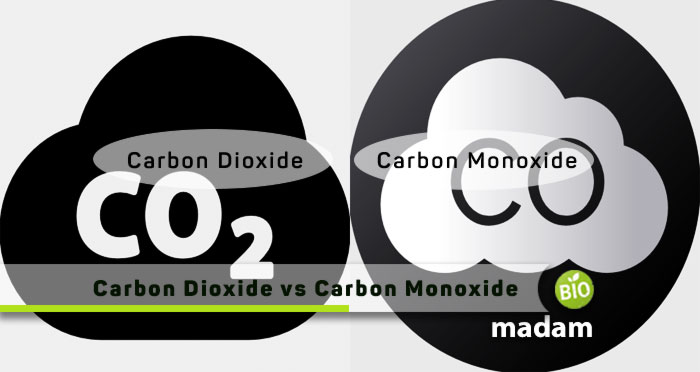
Is It Carbon Monoxide Or Carbon Dioxide
Ever get those two confused? Carbon Monoxide and Carbon Dioxide? They sound so similar, right? Like long-lost twin siblings. But oh boy, are they not the same! One's a party animal, a vital life force. The other? A bit of a sneaky trickster you absolutely do not want at your house party. Let's spill the tea on these gaseous frenemies!
Meet Carbon Dioxide (CO2): The Life of the Party!
Let's kick things off with the friendly one: Carbon Dioxide. This gas is everywhere, doing a gazillion amazing things. You know it, you love it (probably without even realizing it!). Every time you exhale, out comes CO2. Our bodies are basically CO2 factories, churning it out with every breath. But don't worry, you're not single-handedly polluting the planet with your breathing habits! Phew!
Plants, our leafy green buddies, are obsessed with CO2. They literally breathe it in, mix it with sunlight and water, and poof! They make oxygen for us and food for themselves. It's called photosynthesis, and it's basically the planet's coolest magic trick. Without CO2, no plants. Without plants, no oxygen. Without oxygen... well, let's not go there. So, CO2 is pretty essential, actually!
Must Read
But wait, there's more! CO2 isn't just for breathing and growing. It's the secret ingredient in all your fizzy favorites. That satisfying hiss when you open a soda? That's CO2 escaping! Ever seen those spooky, smoky dry ice effects at a Halloween party? That's solid CO2 sublimating, turning directly into gas. It's also in fire extinguishers, suffocating flames by displacing oxygen. Versatile, much? CO2 is basically the multi-talented superstar of the gas world.
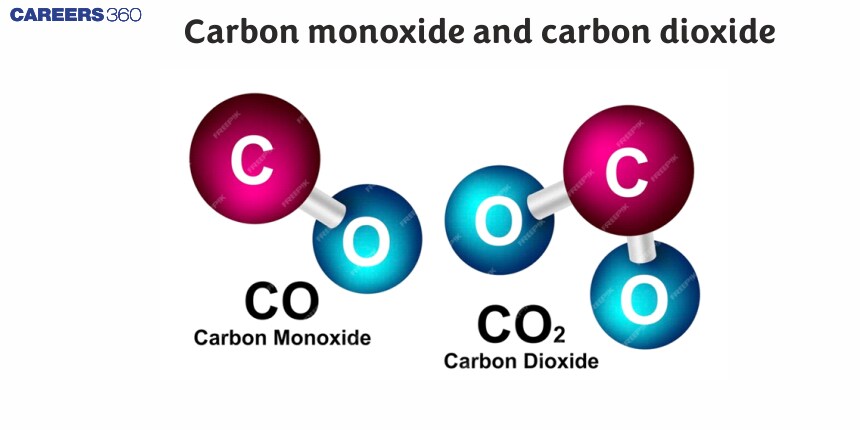
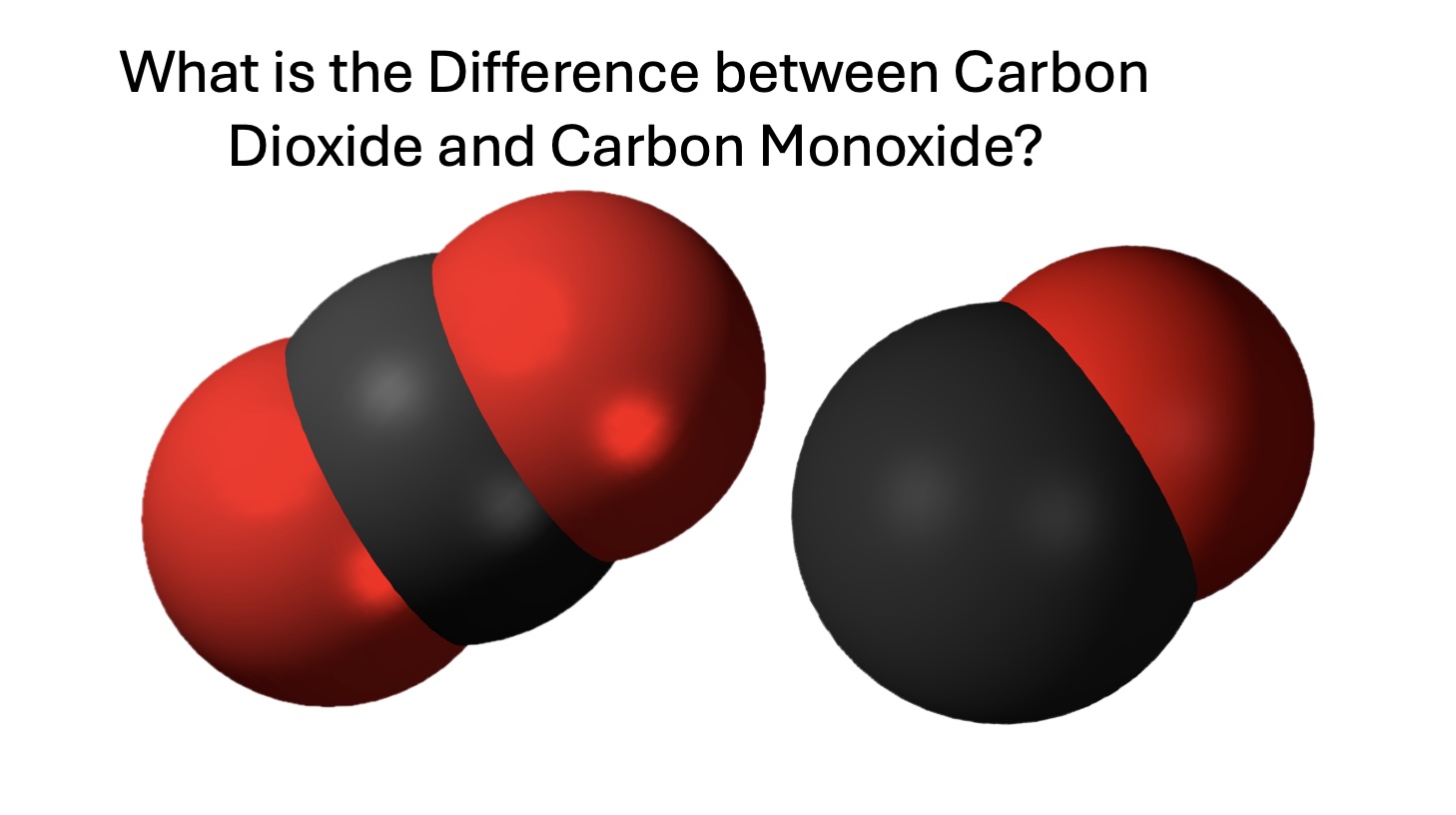
Sure, too much CO2 in the atmosphere leads to climate change, and that's a serious chat for another day. But in our everyday lives, in moderation, it's a friendly, fundamental gas. It's got two oxygen atoms, like a cozy couple, holding hands with one carbon atom. CO2: the reliable, life-giving, bubbly friend we all need.
Now, Let's Talk Carbon Monoxide (CO): The Master of Disguise
Alright, switch gears. Now for the gas that’s a little less "life of the party" and a lot more "uninvited guest you really want to kick out." This is Carbon Monoxide. And it's tricky. Super tricky. Unlike its bubbly cousin, CO is a master of disguise. It's colorless, odorless, and tasteless. You can't see it, you can't smell it, you can't even tell it's there. It's like the ninja of gases, sneaking in without a trace.
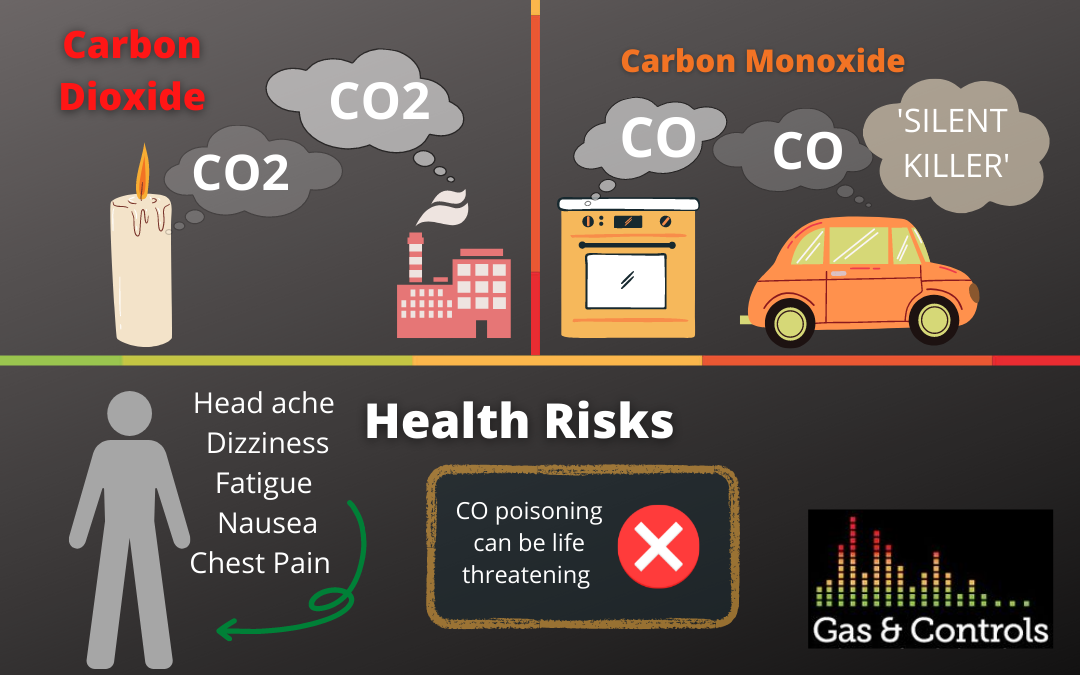
CO typically forms from incomplete combustion. Think about when things don't burn properly. A faulty furnace, a car running in a closed garage, a gas grill used indoors (seriously, don't do that!). Basically, if there's not enough oxygen for the fuel to burn completely, you get CO. It's literally just one oxygen atom instead of two, clinging to that carbon atom. Just one less oxygen atom makes all the difference in the world!
Here's where it gets serious (but we'll keep it light, promise!). Your red blood cells? They're like little oxygen taxis, driving oxygen all around your body to keep everything running. But here's the kicker: your blood cells are way, way more attracted to CO than to oxygen. Like, 200 times more! So, if CO is present, your blood cells will ditch oxygen in a heartbeat and grab onto CO instead. Not cool, CO. Not cool at all.

This means your body gets starved of oxygen, even if you're breathing perfectly fine air. You might start feeling a headache, dizziness, nausea – often mistaken for the flu or just plain tiredness. That's why CO is so dangerous: it literally cuts off your oxygen supply without you even realizing it. It's a silent, invisible threat.
But here's the good news! We have superheroes against CO! They're called Carbon Monoxide detectors. These little gadgets are your home's nose and ears for CO. They sniff out that sneaky gas and loudly tell you to get out. Every home with fuel-burning appliances needs one. Seriously, it's like having a tiny, vigilant guardian always on duty. Totally worth it!
The Mighty "O" Makes All The Difference!
So, there you have it. The grand reveal! Carbon Dioxide (CO2) has two oxygen atoms, making it stable, friendly, and essential for life as we know it. Carbon Monoxide (CO) has just one oxygen atom, making it unstable, extremely reactive, and a genuine threat. It's like one little ingredient changed in a recipe, and suddenly, instead of a delicious cake, you've got... well, something you definitely don't want to eat.
Isn't that just wild? How a single atom can completely transform a chemical from a life-giver to a life-taker? It just goes to show that in chemistry, sometimes the smallest details have the biggest impact. So next time you hear someone muddle the two, you can casually drop some knowledge bombs. You'll be the resident expert, the one who knows the difference between a fizzy drink's best friend and a silent, sneaky gas. And that, my friend, is just plain fun to know!
This article is a playful exploration and does not replace professional advice. Always prioritize safety and consult experts for specific concerns.