Is It Bad If Aloe Vera Turns Pink
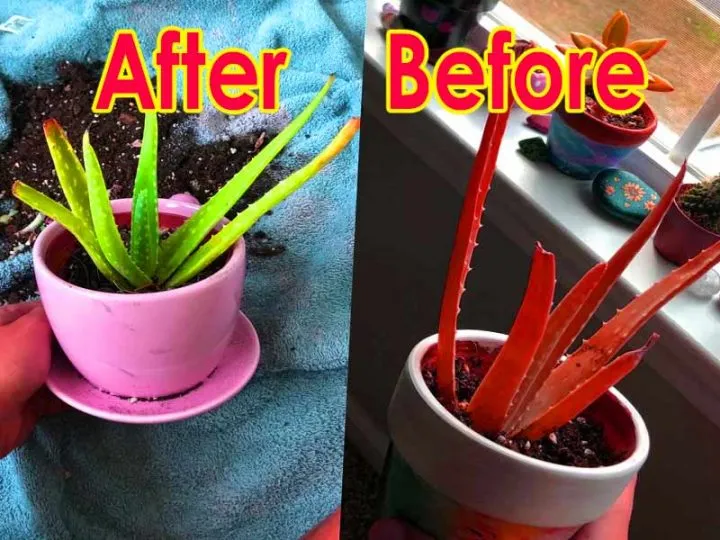
Let's talk about aloe vera! It's the spiky green superhero sitting pretty on countless windowsills, ready to soothe sunburns and add a touch of zen to our living spaces. But what happens when your trusty aloe starts looking…a little flushed? Is it blushing? Is it sick? Is it time to panic? Turns out, the mystery of the pink aloe is a fun and fascinating one!
Aloe vera, scientifically known as Aloe barbadensis miller, is prized for its gel-filled leaves, packed with vitamins, minerals, and antioxidants. This gel is a powerhouse when it comes to soothing irritated skin, hydrating dry patches, and even helping with minor cuts and burns. Think of it as nature's first-aid kit in a pot! We love it for its versatility and the calming effect it has on our skin. But what if that calming green turns a concerning shade of pink?
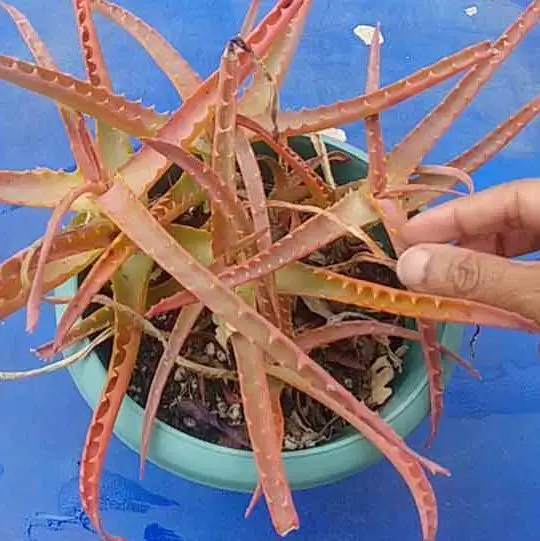
So, why might your aloe vera be turning pink? The most common culprit is stress. Just like us, plants can get stressed out! Several factors can trigger this pinkish hue. One major offender is sunlight. While aloe loves light, too much direct sunlight, especially intense afternoon sun, can cause the leaves to develop a pink or reddish tinge as a protective mechanism. It’s essentially getting a sunburn of its own!
Must Read
Another cause could be temperature fluctuations. Aloe prefers a stable environment, and sudden shifts in temperature, especially exposure to cold drafts or chilly nights, can also stress the plant and lead to discoloration. Think of it like giving your aloe the chills! It’s not happy.
Watering issues can also play a role. Both underwatering and overwatering can cause stress. Underwatered aloe may develop a pinkish hue as the leaves become dehydrated and struggle to photosynthesize. Overwatering, on the other hand, can lead to root rot, which weakens the plant and also results in discoloration. The key is to find that sweet spot – well-draining soil and watering only when the top inch or two of soil is dry.
Finally, nutrient deficiencies can sometimes contribute to a pinkish or reddish appearance in aloe vera. While aloe isn’t a heavy feeder, it does need essential nutrients to thrive. If the soil is depleted, the plant may struggle to produce chlorophyll properly, leading to discoloration.
So, is a pink aloe a death sentence? Not necessarily! Often, it’s a sign that you need to adjust your care routine. If you notice your aloe turning pink, first assess its environment. Is it getting too much direct sunlight? Are there significant temperature fluctuations? Is the soil too wet or too dry? Adjust accordingly by moving it to a spot with indirect sunlight, maintaining a consistent temperature, and adjusting your watering schedule.
If you suspect nutrient deficiencies, consider repotting your aloe with fresh potting mix or using a diluted liquid fertilizer specifically formulated for succulents. With a little TLC, your aloe vera should bounce back and return to its healthy green glory. So, don't panic at the first sign of pink! Just pay attention to your plant's needs, and it will continue to be your spiky, soothing companion for years to come.