
Is Haribo Made In Turkey Halal

Okay, so we're having a serious chat here, right? About Haribo. And whether the Turkish-made ones are halal. Deep breaths, candy lovers! It's a question that's probably kept you up at night, hasn't it? Admit it!
First things first, let's tackle the basics. Halal, for those not entirely in the know (no judgement here!), basically means permissible according to Islamic law. When it comes to food, it usually revolves around how animals are slaughtered and what ingredients are used. Think no pork, no alcohol, and specific slaughtering methods.
The Gelatin Question: Our Sticky Situation
Now, the big issue with most gummy candies, Haribo included, is the gelatin. Gelatin is… well, it's what makes them jiggly! And where does gelatin usually come from? You guessed it – animal collagen. Often, that means pig skin and bones. Eek! But wait! Don't chuck out your Starmix just yet!
Must Read
Here’s where the Turkish Haribo comes in. The million-dollar question is: what kind of gelatin do they use? Are we talking pork-derived, beef-derived, or something else entirely? This is the crucial bit, folks.
So, is it halal?

Okay, drumroll please... The answer is... complicated. (Isn’t it always?). Officially, Haribo Turkey does produce halal-certified products. Hooray!
But! (There’s always a but, isn't there?) Not all Haribo made in Turkey is necessarily halal. I know, I know, life isn't fair.
Essentially, you gotta do some detective work. You need to check the packaging. Look for a halal certification logo. A trustworthy one! Don't just assume it's all good because it says "Made in Turkey." Be vigilant, my friends! Your sweet tooth depends on it!
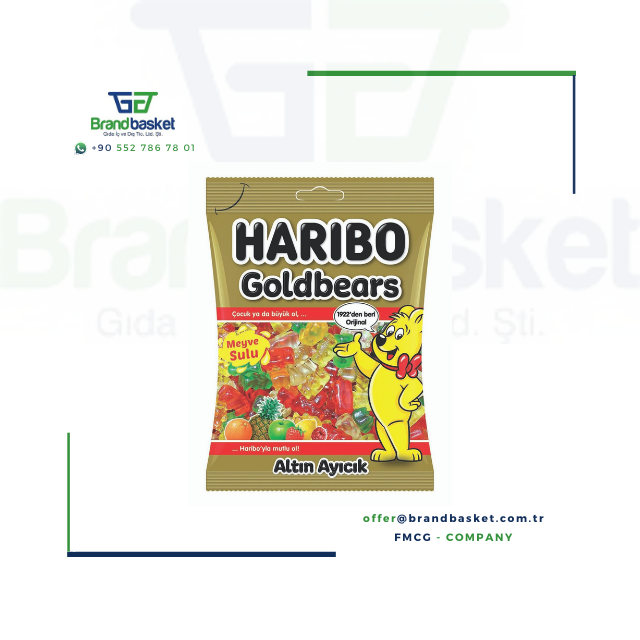
Decoding the Packaging: Become a Candy Connoisseur
Seriously, become a packaging expert! Those little symbols can be your best friend. Look for recognized halal certification agencies. A quick Google search of the certification agency can usually tell you if it's legit.
Also, take a peek at the ingredients list. Does it specifically mention "beef gelatin" or "halal beef gelatin"? If it just says "gelatin," that's a red flag! It's ambiguous and could be from… well, let's not go there.
Think of it like this: you wouldn’t just blindly trust a restaurant’s sign saying “healthy food,” would you? You’d want to know what makes it healthy, right? Same principle applies to your gummy bears!
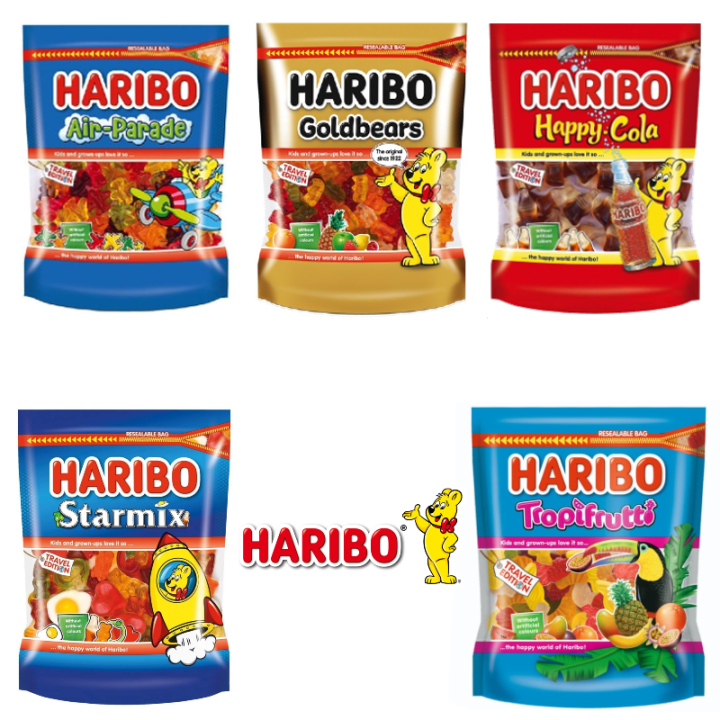
The "May Contain" Disclaimer: Handle with Caution
And while you're scrutinizing the label, be wary of the dreaded "may contain traces of..." statement. If it says "may contain traces of pork gelatin," even if it's certified halal, some people might still avoid it out of caution. It really comes down to your personal level of comfort.
Some people are totally fine with the "may contain" clause, reasoning that it's just a manufacturing precaution. Others prefer to steer clear completely. There's no right or wrong answer, just what feels best for you.
When in Doubt, Do Your Research (and Maybe Skip the Gummy Bears!)
Ultimately, the best approach is to do your own research. Check Haribo's website (especially the Turkish site, if you can navigate it!). Contact their customer service. Ask specific questions about their gelatin sourcing.

Or, you know, you could just opt for a different candy. There are plenty of halal-certified gummy candies out there. Why stress over Haribo when you could be enjoying a different brand with peace of mind?
But if you absolutely must have your Haribo fix, remember: check the label, look for that halal certification, and do your homework! Happy (and halal!) snacking!
So, are you feeling more informed now? Good! Now, who wants another cup of coffee (or maybe some halal-certified candy?)?