
Is Creatine Bad For 14 Year Olds

So, you're 14 and thinking about creatine? That's awesome! Getting into fitness is a fantastic idea. But hold your horses, let's chat about something important.
Creatine: The Superpower Supplement?
Creatine is like that cool kid at school everyone's talking about. It’s a popular supplement in the fitness world. People use it to boost their workout game.
Think bigger muscles, more energy, and faster recovery! Sounds like a cheat code, right? But is it safe for young teens like you?
Must Read
What Exactly Is Creatine Anyway?
Okay, no need to feel like you're in science class. Creatine is actually a natural substance found in your body. It helps your muscles make energy, especially during high-intensity activities.
Think sprinting, lifting weights, or dominating on the basketball court. Your body makes some, and you also get it from eating meat and fish.
So, taking a creatine supplement is like adding a little extra fuel to the fire!
The Big Question: Is It Safe for Teens?
Here’s where things get a little tricky. There isn't a TON of research on creatine use specifically in teenagers. Most studies focus on adults.

This makes it tough to say definitively whether it's 100% safe for everyone your age. Some experts say it might be okay under certain conditions.
Others suggest waiting until you're a bit older, like 18 or older, just to be extra cautious.
Why the Hesitation?
Why the worry, you ask? Well, your body is still developing at 14. Growth spurts, hormonal changes... It's a busy time!
Some experts are concerned that taking creatine could potentially interfere with this natural development process. They just want to be sure everything's growing the way it should.
Another potential issue is that creatine can affect your kidneys. While it's generally considered safe for healthy adults, it's wise to be extra cautious with young kidneys that are still maturing.

Potential Side Effects: Not Always Fun
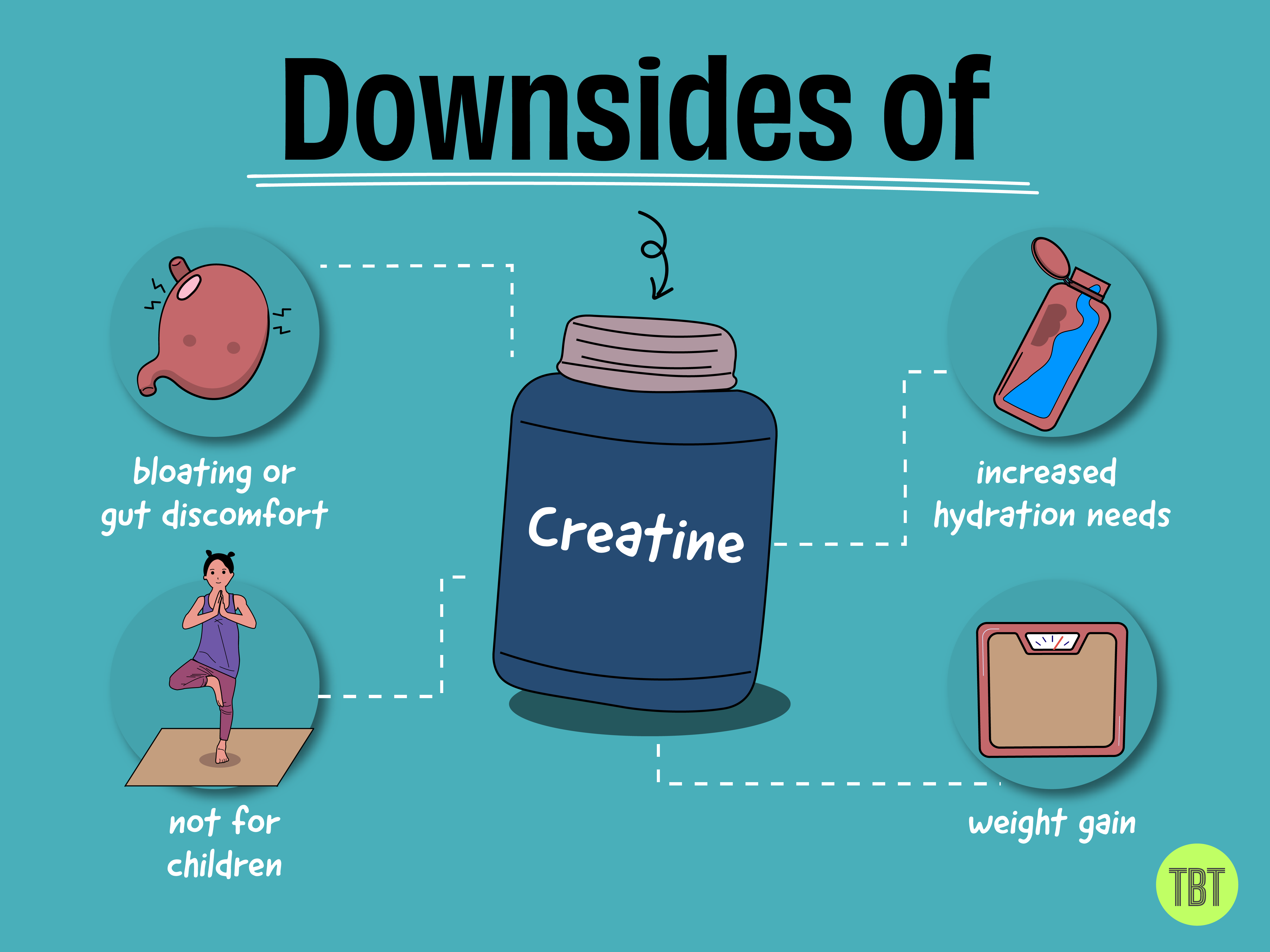
Even for adults, creatine isn’t always a walk in the park. Some people experience side effects like stomach cramps, bloating, or diarrhea.
These side effects can be more likely if you don't drink enough water. And let’s face it, remembering to drink enough water is hard enough already!
Plus, creatine pulls water into your muscles. This can lead to dehydration if you're not careful, especially during intense workouts.
The Key Ingredient: Informed Decisions
So, what’s the takeaway? The most important thing is to make an informed decision. Don't just jump on the creatine bandwagon because your favorite influencer is doing it.
Talk to your parents or guardians. They care about your health and well-being more than anyone else.
And most importantly, talk to a doctor or registered dietitian. They can give you personalized advice based on your individual situation.
Alternatives to Creatine: Building a Solid Foundation
While creatine can be tempting, remember that there are other ways to boost your fitness. Focus on the fundamentals!
Eat a balanced diet rich in protein, fruits, and vegetables. Get plenty of sleep (trust me, your muscles will thank you!). And develop a consistent workout routine.
These building blocks are crucial for your long-term health and fitness success, regardless of whether you decide to use creatine later on.
The Bottom Line: Proceed with Caution
Creatine might be something you consider down the road. But at 14, it's generally best to focus on the basics.

Prioritize proper nutrition, consistent training, and adequate rest. These are the real secrets to unlocking your fitness potential. If you are considering it make sure you speak to your doctor.
Listen to your body, do your research, and make smart choices. You've got plenty of time to explore the world of supplements. In the meantime, crush those workouts and have fun!
What does The American Academy of Pediatrics say?
You should always research what leading professional medical organizations say about supplements. The American Academy of Pediatrics discourages the use of creatine by adolescents.
Their statement emphasizes the importance of a balanced diet and proper training techniques for young athletes. They advise that adolescents avoid using performance-enhancing substances like creatine due to potential health risks and a lack of long-term safety data.
Remember consulting with healthcare professionals and prioritizing evidence-based guidance is important.