
Is Carbon Monoxide Lighter Or Heavier Than Air

Alright, settle in, grab your imaginary latte, because we’re about to dive into one of those questions that sounds simple but secretly holds a tiny, mischievous scientific secret. We’re talking about Carbon Monoxide, CO for short, the invisible, odorless, rather rude guest nobody invited to the party. And the big question today is: Is it lighter or heavier than air?
Now, I’ve heard all sorts of theories. Some people think it’s a mischievous imp that floats to the ceiling, patiently waiting to ambush you like a particularly grumpy chandelier. Others imagine it’s a heavy, slithering villain, clinging to the floorboards, trying to trip you up in the dark. Both images are wonderfully dramatic, but neither is quite right. The truth, my friends, is far more… well, sneaky.
The Case of the Floating Villain or the Sinking Scoundrel?
Let’s set the scene. You’ve got a gas. It’s infamous. It’s got a bad rap (and for good reason!). Your gut might tell you, “It’s dangerous, so it must be… something dramatic!” Maybe it’s super light and wafts up, out of reach until it’s too late. Or maybe it’s super heavy and pools in your basement, just biding its time. Most people have a strong intuitive guess, but here’s where science loves to mess with our intuitions like a cat batting a dangling toy.
Must Read
Before we reveal the grand answer, let’s talk about “air” for a sec. Because “air” isn’t just one thing, is it? It’s like a really well-mixed smoothie of gases. Mostly nitrogen (about 78%), a good chunk of oxygen (around 21%), and then a delightful sprinkle of argon, carbon dioxide, and a bunch of other trace gases. So, when we ask if CO is lighter or heavier than air, we’re essentially asking: how does its weight compare to the average weight of that smoothie?
The Big Reveal: It’s Not What You Think! (Or Maybe It Is, You Smarty Pants)
Drumroll please… Carbon Monoxide, CO, has a molecular weight of about 28. Air, that glorious atmospheric smoothie, has an average molecular weight of about 29. Pause. Reread that. What does that mean?

It means that carbon monoxide is actually… wait for it… slightly lighter than air!
Yes, you heard that right! It's like comparing a feather to a slightly fluffier feather. Or a really fit marathon runner to a slightly less fit marathon runner. The difference is minuscule, but technically, CO is lighter. By a hair. By a whisper. By the width of a single misplaced eyebrow hair on a particularly windy day.
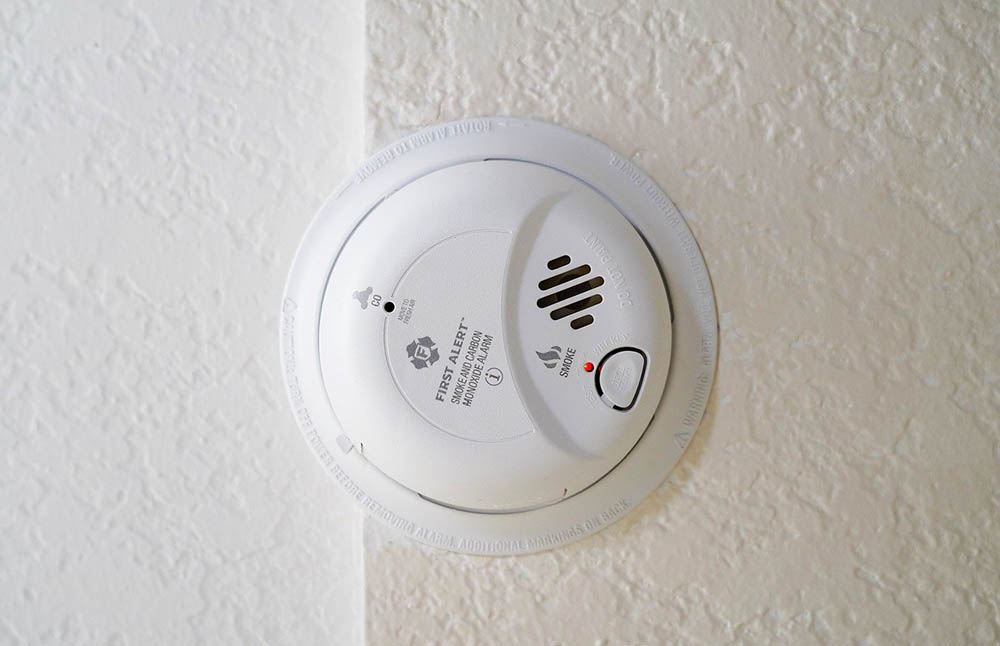
So, if you pictured it floating to the ceiling, congratulations, you were technically a fraction closer to the truth than those who imagined it hugging the floorboards. But here’s the kicker, the surprising twist, the plot development that makes CO such a menace:
The Treacherous Truth: It Mixes Like a Dream (For CO, Not For You)
Because carbon monoxide is only ever so slightly lighter than air, it doesn't just float up and create a neat little layer at the top like helium in a balloon or steam from your aforementioned latte. Oh no, that would be far too convenient! Instead, because their densities are so incredibly close, CO tends to mix pretty evenly with the surrounding air.
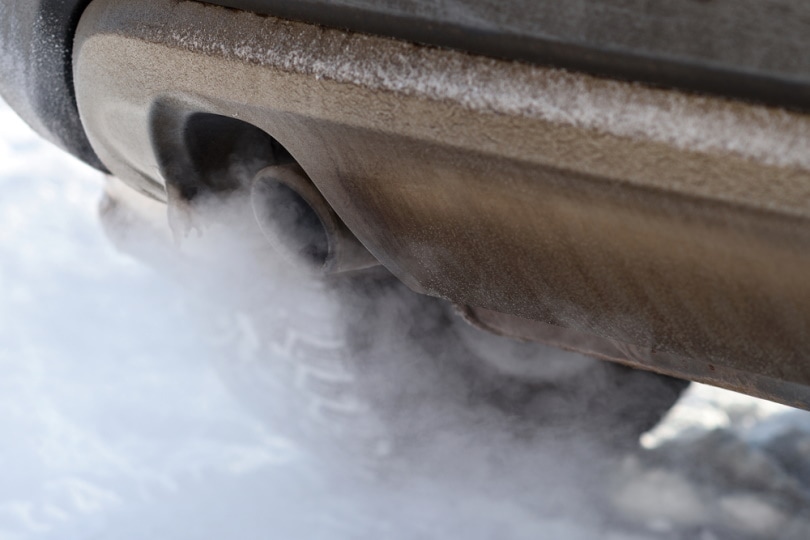
Think about it. If you put a drop of water in a pool of oil, it sinks. If you put a balloon of helium in a room, it rises. But if you have two liquids that are almost identical in density – say, slightly different brands of sparkling water – they just… blend. They mingle. They become one.
And that, my friends, is what makes carbon monoxide truly insidious. It doesn't conveniently stratify into a "safe zone" and a "danger zone." It doesn't politely announce its presence by hovering visibly at the top or pooling darkly at the bottom. Instead, it diffuses, it blends, it masquerades as the very air you’re trying to breathe. It’s the ultimate master of disguise, the chameleon of gases!

Why This Matters More Than My Coffee Order
This subtle difference in density and its resulting mixing behavior is incredibly important for safety. Because CO spreads throughout a space rather than settling or rising dramatically, a carbon monoxide detector isn’t just good in one spot. It needs to be placed strategically, often near sleeping areas, but the fact that it mixes means that if it's present, it's generally everywhere in the room after a short time.
So, the next time you hear someone wondering about this gaseous mystery, you can confidently explain that while technically, it's a hair lighter, the real villainy lies in its ability to blend in perfectly. It doesn't care if you're standing, sitting, or doing a handstand; it will be right there, mixing with the air around you.
And that, dear readers, is why carbon monoxide detectors are absolutely non-negotiable. Because you can't see it, you can't smell it, and it won't conveniently float away or sink out of reach. It just hangs out, making itself at home, until it becomes a problem. Stay safe, folks, and make sure your home is detector-protected!