Is Carbon Dioxide Heavier Than Oxygen
Have you ever been caught in a lively debate, perhaps over a bubbly drink or observing a magnificent plant, when a simple yet profound question floats into the conversation: Is carbon dioxide heavier than oxygen? It’s one of those wonderfully practical scientific curiosities that, much like a perfectly layered painting or a catchy tune, has a surprising amount of depth and delight hiding beneath its unassuming surface. It's not just a dry fact; it’s a gateway to understanding the invisible world around us, a true testament to the creative power of simple inquiry!
For the artist, grasping the nuances of gas behavior can inform how you depict smoke curling, fog lingering, or even the unseen forces that shape our environment. Understanding density differences helps envision the ebb and flow of atmosphere, making your imaginative landscapes more grounded in reality. For the hobbyist, this question sparks a world of exciting, safe home experiments. It’s perfect for those curious minds who love to tinker and explore, turning everyday items into tools for scientific discovery. And for the casual learner, it's a fantastic way to demystify complex environmental discussions, making science feel less like a textbook and more like a fascinating puzzle you can solve. This simple query encourages critical thinking and observation, transforming passive learning into an active, engaging adventure.
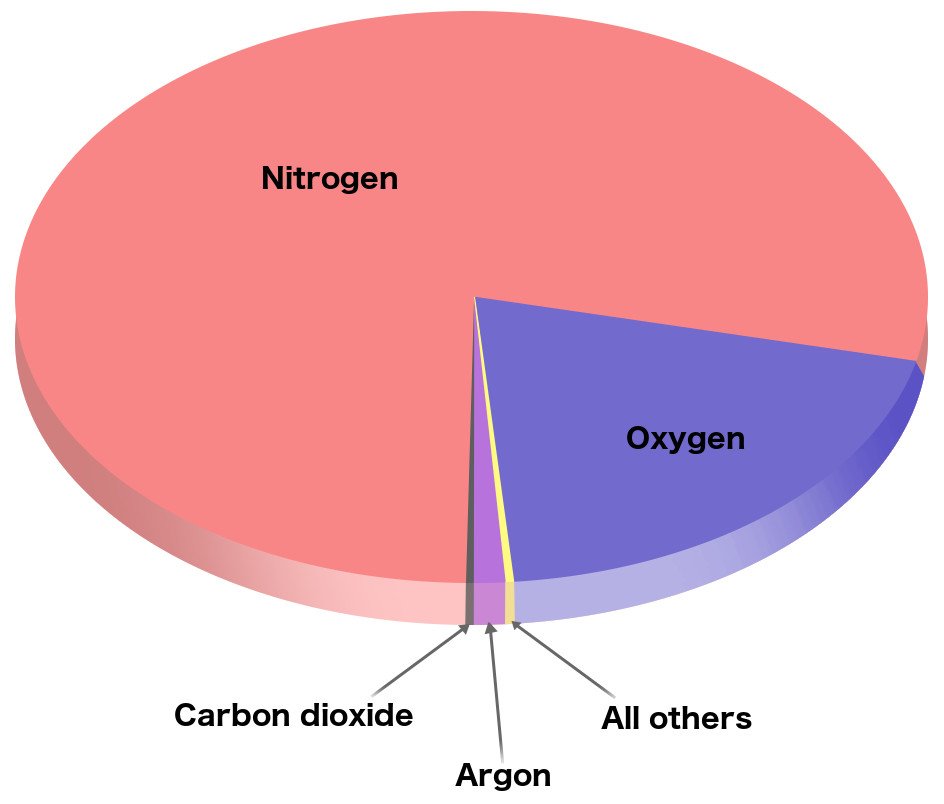
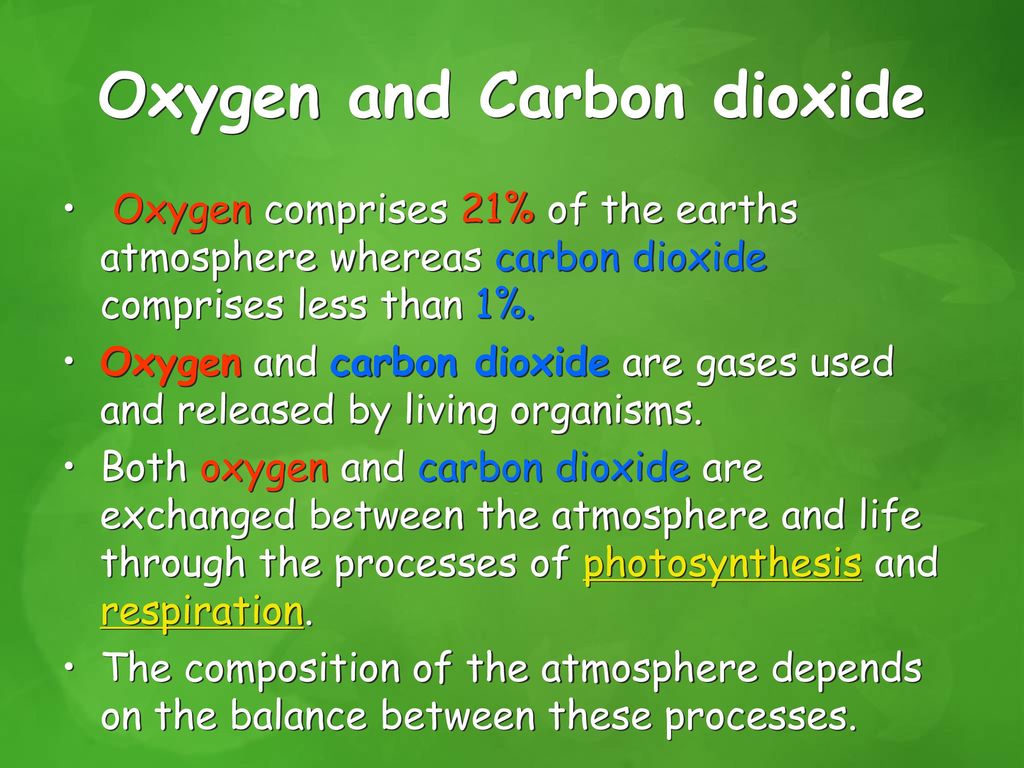
Consider the myriad ways this concept manifests. Think of a classic baking soda and vinegar volcano – the “lava” isn’t the only star; the invisible gas it produces, carbon dioxide, plays a crucial role. This CO2 is denser than the air around it, which is predominantly nitrogen and oxygen. You can see this principle in action with dry ice (solid CO2), which creates a dramatic, heavy fog that creeps along the ground. From the fizz in your soda, to the way plants breathe, to the very air we exhale, understanding gas density offers a fresh perspective. You might even ponder how this affects weather patterns or the distribution of scents!
Must Read
Ready to try it at home? Here's a safe and engaging experiment that truly highlights the difference:
- Gather a clear glass, a small candle, baking soda, and vinegar.
- Light the candle and place it in a safe, open area.
- In the clear glass, combine a few spoonfuls of baking soda with enough vinegar to create a bubbly reaction. This produces a good amount of carbon dioxide gas.
- Once the bubbling subsides, carefully “pour” the invisible gas from the glass over the lit candle. You don't need to pour any liquid, just tilt the glass as if you're pouring air.
So, to answer the burning question: yes, carbon dioxide is indeed heavier than oxygen! Oxygen has a molecular weight of approximately 32 atomic mass units (amu), while carbon dioxide weighs in at about 44 amu. This seemingly small difference has monumental implications for our planet and fascinating visible effects in our daily lives. The true joy in exploring such a question lies in the simple satisfaction of understanding something new, turning an abstract concept into a tangible, observable truth. It’s a delightful reminder that even the most fundamental scientific principles can spark wonder and inspire a deeper appreciation for the world around us.