Is Broad Tip And Chisel Tip The Same
Let's be honest, there's something undeniably satisfying about a good highlighter. Whether you're a student meticulously marking key passages in a textbook, a busy professional color-coding your planner, or just someone who enjoys the tactile pleasure of gliding vibrant ink across paper, highlighters are a simple tool that can bring a bit of order and even joy to our lives. But have you ever stopped to consider the different types of highlighter tips and whether they're all created equal? Specifically, are broad tip and chisel tip highlighters the same thing?
Highlighters serve a vital purpose in our everyday lives. They help us focus our attention, organize information, and improve recall. By visually distinguishing important points, highlighters make it easier to quickly grasp the essence of a document, a lecture, or even a piece of art. Think about students studying for exams, meticulously highlighting key concepts. Or consider project managers, using different colored highlighters to track the progress of various tasks. Even in creative endeavors like bullet journaling or scrapbooking, highlighters add pops of color and visual interest.
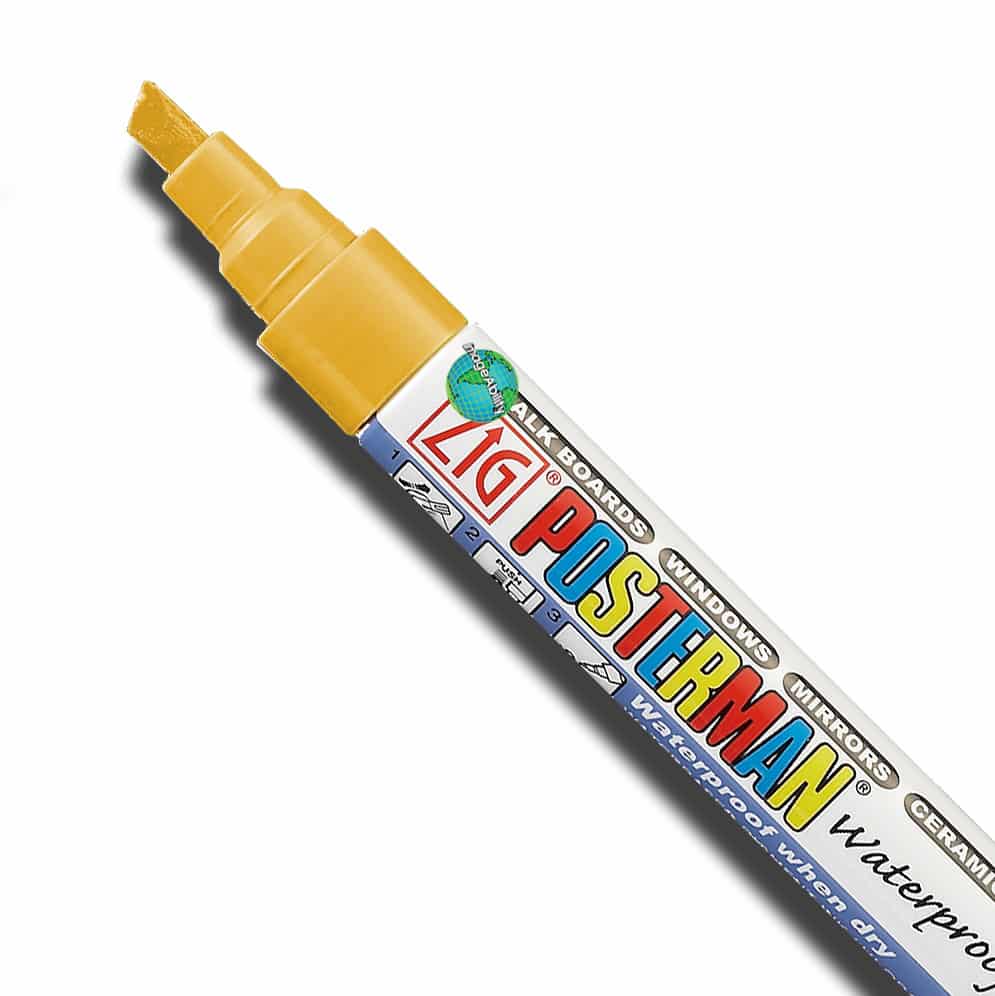
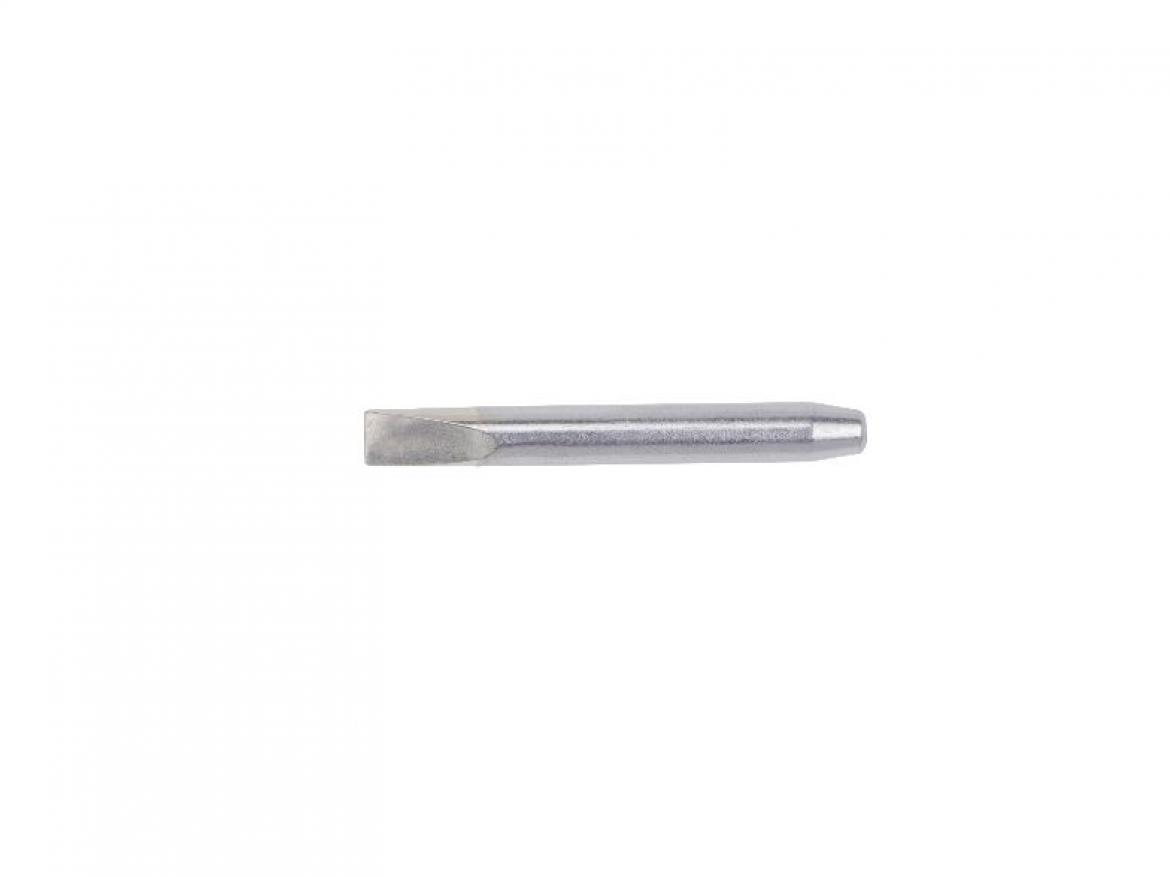
Now, let's get to the heart of the matter: are broad tip and chisel tip highlighters the same? The short answer is: not exactly. While both are designed to cover a relatively wide area, their shapes and functionalities differ slightly. A broad tip highlighter typically has a rounded or slightly flattened tip. This allows for smooth, consistent lines, making it ideal for quickly highlighting large chunks of text. Think of highlighting entire paragraphs in a report. A chisel tip highlighter, on the other hand, has an angled tip. This allows for greater versatility. You can use the broad side of the chisel for thick lines, similar to a broad tip highlighter. But you can also use the narrow edge for finer, more precise highlighting or even underlining. This makes it a more adaptable tool for a wider range of tasks.
Must Read
Common examples of highlighter use are endless! Students use them for textbooks, professionals for documents and presentations, and artists for sketching and adding subtle color. You'll see them in offices, classrooms, and even art studios, a testament to their ubiquitous appeal.
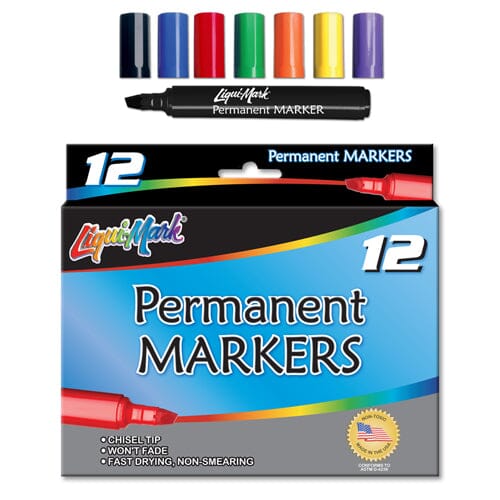
So, how can you enjoy your highlighters more effectively? Here are a few practical tips:
- Choose the right tip for the task. If you're highlighting large blocks of text, a broad tip highlighter might be your best bet. For more precise work or for adding subtle details, a chisel tip will give you greater control.
- Consider the color. Different colors can be used to categorize information or to highlight different levels of importance. Experiment with different hues to find a system that works for you.
- Don't overdo it! Too much highlighting can be just as distracting as not highlighting at all. Focus on the most important information and resist the urge to highlight everything.
- Invest in quality. A good highlighter will have smooth, consistent ink flow and will not bleed through the paper.
- Experiment with techniques. Try using highlighters to create patterns, add shading, or even to write calligraphy!
Ultimately, the best highlighter is the one that works best for you. Experiment with different types and techniques to find your perfect highlighting style. Happy highlighting!