
Is Blue Diamond A Good Dog Food
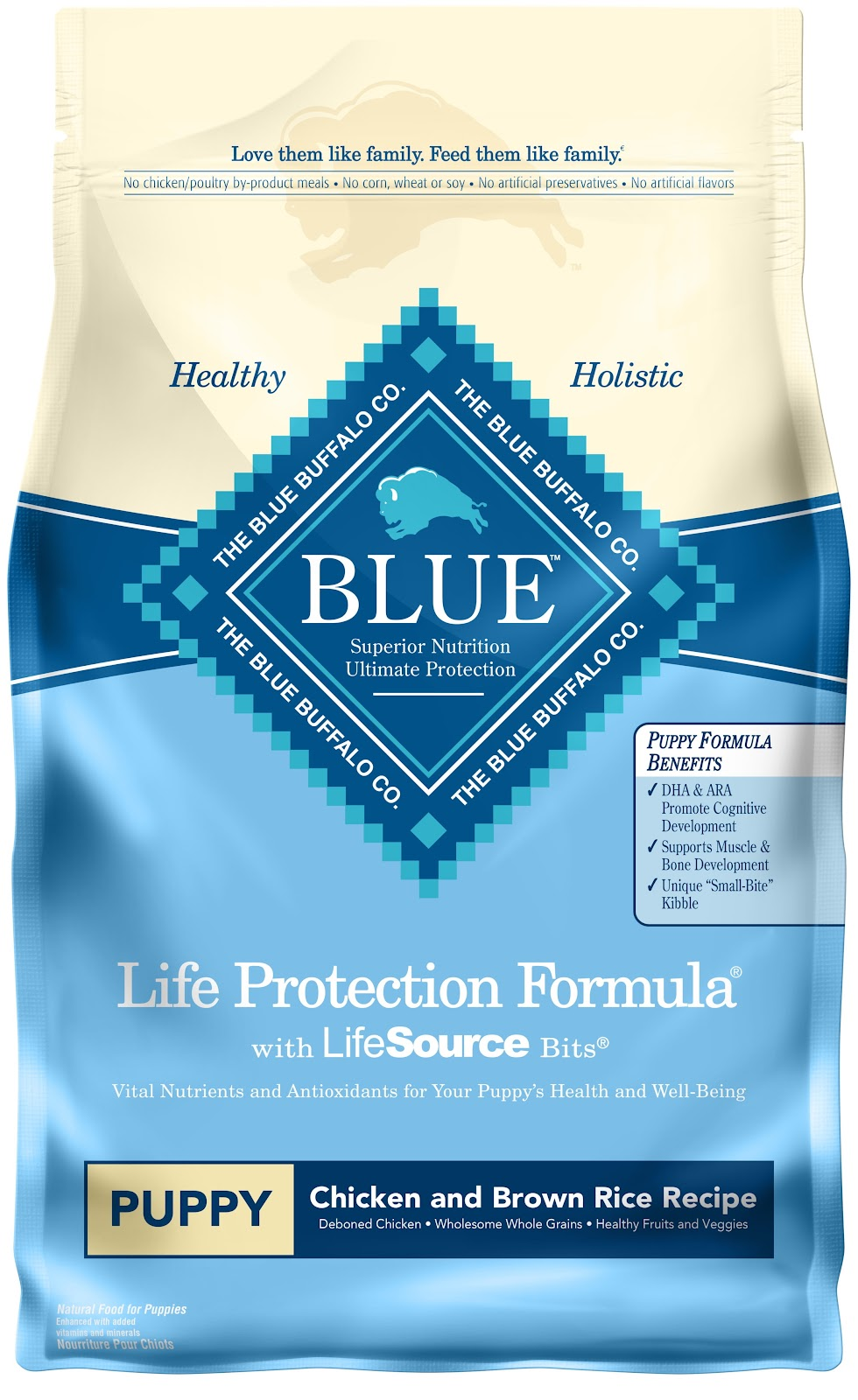
Okay, let's talk dog food! Specifically, Blue Diamond. Now, I know what you're thinking: "Dog food? Seriously? Is this going to be boring?" Trust me, it doesn't have to be! Thinking about what we feed our furry friends is actually an act of love, and a happy, healthy dog equals a happy, healthy you. Think of all those extra cuddles and playful moments!
So, is Blue Diamond a good dog food? That's the million-dollar question, isn't it? Well, the answer, like most things in life, is a little bit nuanced. It's not a simple yes or no. But don't worry, we'll break it down together. Think of me as your friendly neighborhood dog food decoder!
What's in Blue Diamond, Anyway?
First, let's peek under the hood. What's actually in this stuff? Blue Diamond is known for its focus on real meat, like chicken, beef, or lamb, as the primary ingredient. That's a big plus! We want our pups getting their protein from good sources, right? Think of it as fueling their zoomies!
Must Read
They also include things like whole grains, fruits, and vegetables. These are all important for a balanced diet, providing essential vitamins, minerals, and fiber. But here's a little inside scoop: the specific ingredients matter. Some formulas are better than others, depending on your dog's individual needs.
The Good, The Bad, and the Crunchy
The Good:

- Real Meat First: As we mentioned, this is a major selling point.
- Variety of Formulas: They offer options for different life stages (puppy, adult, senior) and specific needs (weight management, sensitive stomach). This is important because a Great Dane puppy has very different nutritional needs than a Chihuahua senior!
- No Artificial Stuff: Generally, they avoid artificial colors, flavors, and preservatives, which is always a win.
The… Less Good (Let's Be Honest):
- Grain-Free Controversy: Some Blue Diamond formulas are grain-free. While this can be helpful for some dogs with allergies, recent studies have linked grain-free diets to heart problems in some breeds. Always talk to your vet before switching to a grain-free diet!
- Price Point: It's not the cheapest option on the market. But, hey, quality often comes at a price. Think of it as an investment in your dog's long-term health.
- Ingredient Splitting: Sometimes ingredients like "peas" are listed multiple times in different forms (pea protein, pea fiber), which can push them further up the ingredient list and make it seem like there's more meat than there actually is. Tricky, tricky!
So, Is It Right for Your Dog?
This is the key question, isn't it? There's no one-size-fits-all answer. What works for one dog might not work for another. Think of it like human diets: what keeps your best friend energized might leave you feeling sluggish.
Consider these factors:
- Age: Puppies need different nutrients than senior dogs.
- Breed: Some breeds are prone to specific health issues that can be addressed with diet.
- Activity Level: A couch potato needs fewer calories than an agility star.
- Allergies/Sensitivities: Does your dog have any known allergies or sensitivities?
- Your Vet's Opinion: This is the most important! Your veterinarian knows your dog's health history and can provide personalized recommendations.
Don't be afraid to experiment (slowly and carefully, of course!). When introducing a new food, do it gradually, mixing it with your dog's old food over a period of several days. This helps prevent digestive upset. No one wants a grumpy pup with tummy troubles!

Read the Label! Become a Dog Food Detective!
Seriously! Learning to read dog food labels is like unlocking a secret code. Pay attention to the ingredient list (ingredients are listed in order of weight), the guaranteed analysis (which tells you the percentages of protein, fat, fiber, etc.), and the feeding guidelines.
Look for words like "complete and balanced" – this means the food meets the nutritional standards established by AAFCO (the Association of American Feed Control Officials). This is important! You want to make sure your dog is getting all the nutrients they need to thrive.
In Conclusion:
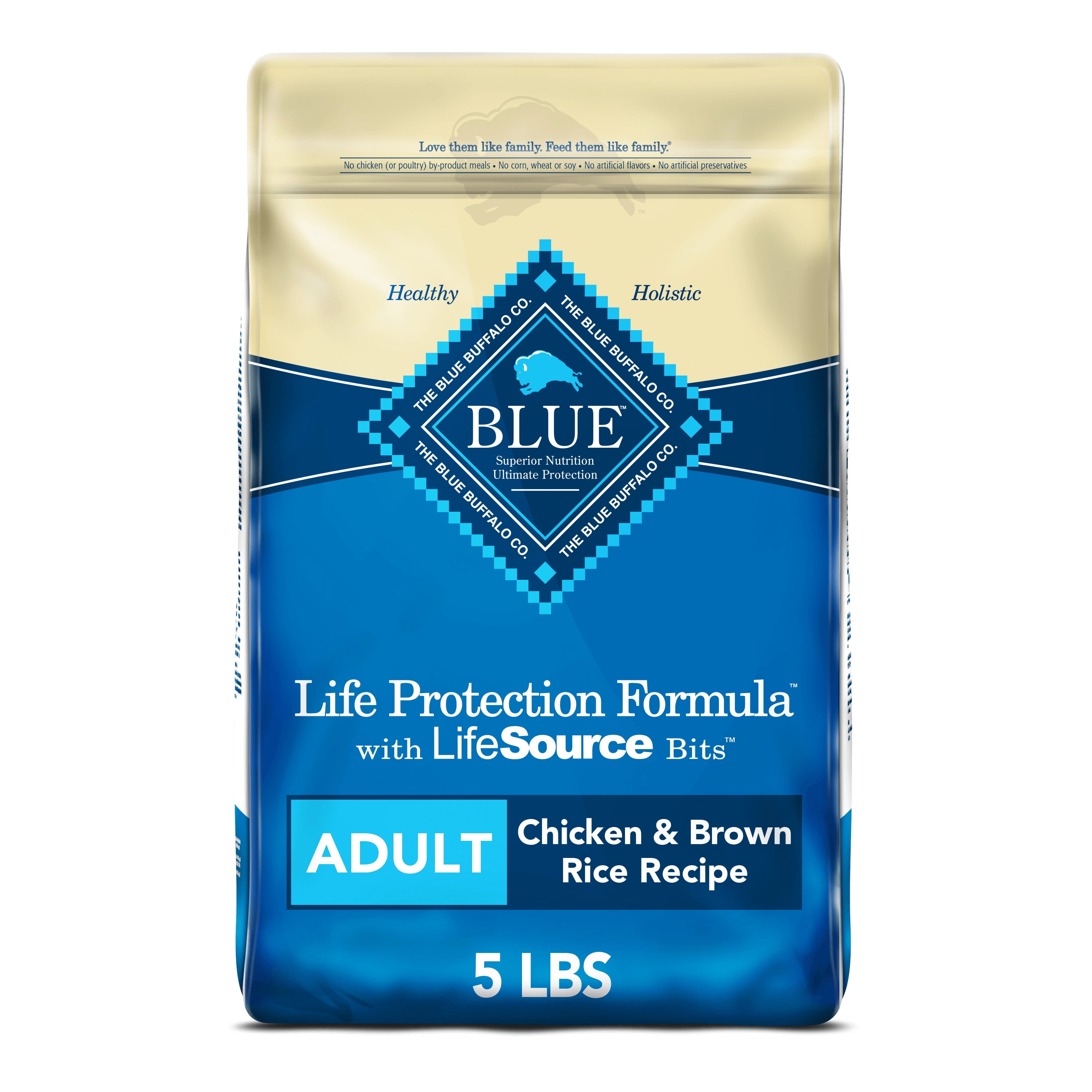
Blue Diamond can be a good option for some dogs, but it's not a magic bullet. It's all about doing your research, understanding your dog's individual needs, and working with your veterinarian. Think of it as a fun puzzle to solve, with the reward being a happy, healthy, and energetic companion!
So, go forth and learn! Dive into the world of dog food ingredients, chat with your vet, and discover what works best for your furry friend. You might be surprised at how much fun you have along the way. And remember, a little knowledge goes a long way towards ensuring your dog lives a long, happy, and healthy life. What could be more inspiring than that?