Is 25 A Composite Or Prime Number
Numbers! We use them every single day, often without even thinking about it. But have you ever stopped to consider the secret lives of these numerical entities? Probably not, but trust me, diving into the world of numbers, especially prime and composite numbers, can be surprisingly fun. Think of it as a mathematical scavenger hunt, where you're searching for the unique traits that define each number. Today's target: the number 25. Is it a prime number, a composite number, or something else entirely?
So, why should you care if 25 is prime or composite? Well, understanding prime and composite numbers is a foundational skill in math. It's like learning the alphabet before you can read. Knowing this concept helps you understand more complex topics like factoring, simplifying fractions, and even cryptography (the art of secret codes!). Plus, it's a great way to flex your mental muscles and impress your friends at your next trivia night. You never know when number theory might come in handy!
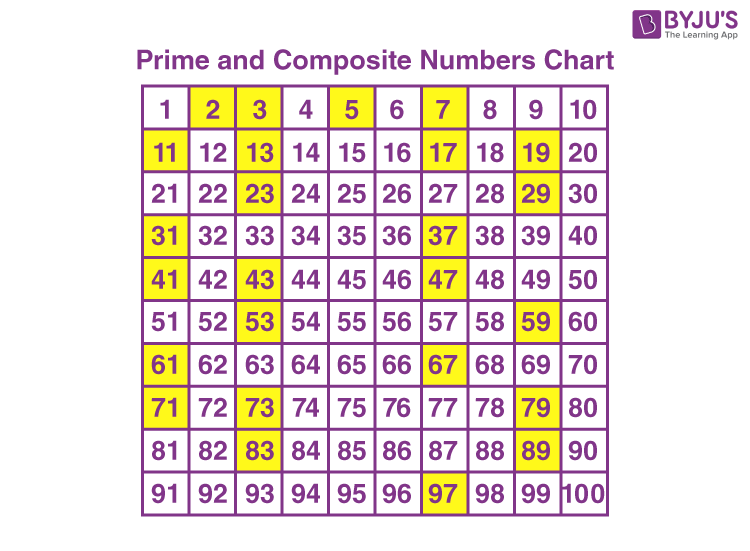
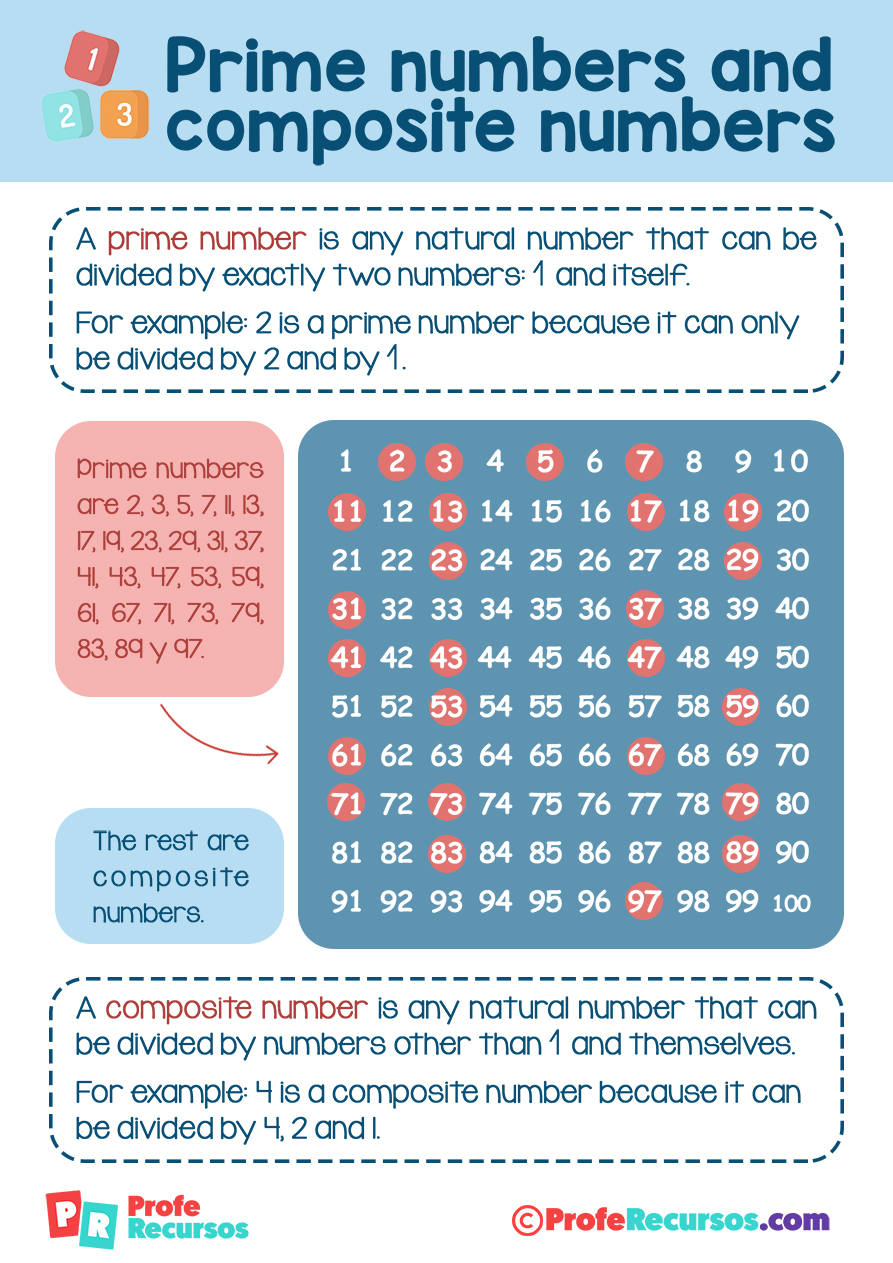
Okay, let's get down to business. What exactly are prime and composite numbers? A prime number is a whole number greater than 1 that has only two divisors: 1 and itself. Think of 7. The only numbers that divide evenly into 7 are 1 and 7. That's it. A composite number, on the other hand, is a whole number greater than 1 that has more than two divisors. It's a bit more sociable, you might say.
Must Read
Now, let's investigate 25. To determine if it's prime or composite, we need to find its divisors. Obviously, 1 and 25 divide evenly into 25. But are there any others? Think about it... what number multiplied by itself equals 25? Ding ding ding! It's 5! 5 x 5 = 25. So, we have at least three divisors: 1, 5, and 25.
Since 25 has more than two divisors (1 and itself), it fits the definition of a composite number. Congratulations, 25! You're officially a composite number. You're not lonely; you have plenty of friends (divisors)!
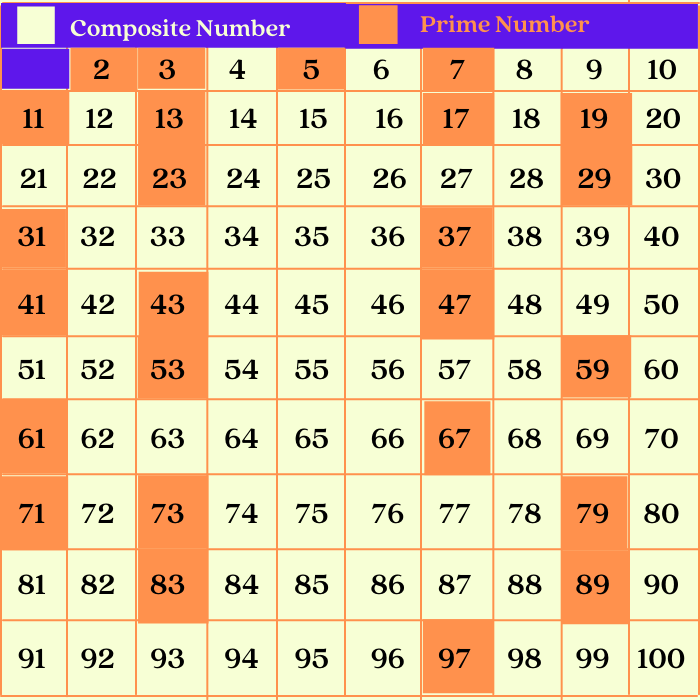
To recap: a prime number has only two factors: 1 and itself. A composite number has more than two factors. Because 25 has the factors 1, 5, and 25, it is a composite number. This knowledge might seem small, but it's a building block for understanding more advanced mathematical concepts. So, next time someone asks you if 25 is prime or composite, you can confidently say, "It's composite, and now you know why!"
Keep exploring the fascinating world of numbers! There are countless other numerical secrets waiting to be discovered.