Inputs And Outputs Of The Calvin Cycle

The Calvin Cycle! No, it's not the latest fitness craze, nor is it a vintage bicycle restoration project. But like a well-oiled machine or a beautifully choreographed dance, the Calvin Cycle is a masterpiece of efficiency and elegance. And just like understanding the basics of color theory can unlock your artistic potential, grasping the inputs and outputs of this fundamental biological process can be surprisingly inspiring for anyone, from artists to hobbyists to the simply curious.
Why should you, a person perhaps more interested in painting landscapes than dissecting leaves, care about the Calvin Cycle? Because understanding how plants create their own food offers a unique perspective on the natural world, leading to richer artistic interpretations and a deeper appreciation for the interconnectedness of life. For artists, it can inform the color choices you make when depicting foliage, helping you capture the subtle variations in green that reflect a plant's health and energy. For hobbyists, perhaps gardeners or nature photographers, it provides a scientific framework for understanding plant growth and optimizing your approach. And for casual learners, it’s simply fascinating to peek behind the curtain and witness the magic happening within every green leaf.
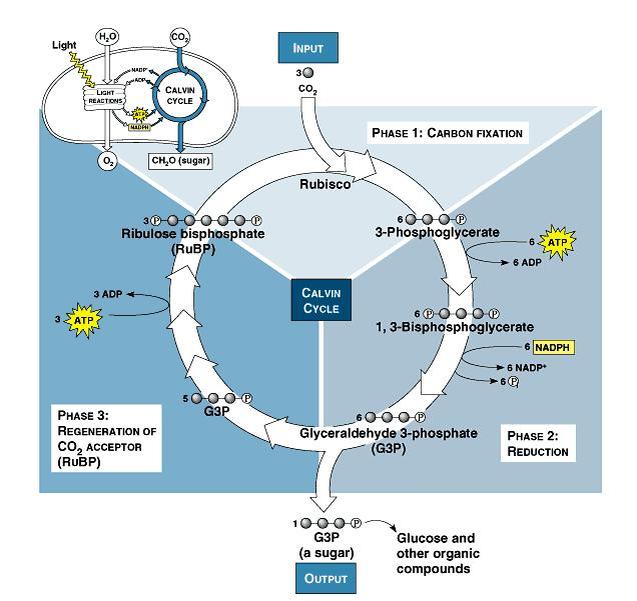
Think about it. Imagine painting a field of sunflowers. Knowing that the inputs of the Calvin Cycle are carbon dioxide (CO2), ATP (energy), and NADPH (reducing power) allows you to appreciate the role of sunlight and air in powering their growth. Conversely, understanding that the output is glucose (sugar), the plant's food source, can inspire you to depict the vibrancy and abundance of life fueled by this process. You might explore stylistic variations, such as abstract art that symbolizes the flow of energy, or hyper-realistic paintings that meticulously capture the details of a leaf, informed by your knowledge of its inner workings. Consider subjects beyond green plants too! Algae, which also utilize the Calvin Cycle, offer a whole spectrum of colors and forms to explore.
Must Read
Want to experiment with the Calvin Cycle at home (metaphorically, of course!)? Try these tips:
- Observe: Spend time looking closely at plants. Note the different shades of green, the textures of leaves, and the overall health of the plant. How might the availability of sunlight and CO2 influence these characteristics?
- Experiment: If you're a gardener, try different growing conditions (light, water, soil) and observe the effects on plant growth. This is a practical way to see the inputs and outputs of the Calvin Cycle in action.
- Research: Delve deeper into the specific adaptations of plants in different environments. How do desert plants, for example, optimize the Calvin Cycle in arid conditions?
- Create: Let your understanding of the Calvin Cycle inspire your art, photography, writing, or any other creative pursuit.
Ultimately, learning about the Calvin Cycle is enjoyable because it reveals the beauty and complexity hidden within the seemingly simple act of a plant growing. It's a reminder that even the most intricate processes are driven by fundamental principles, and that understanding these principles can unlock new levels of appreciation for the world around us. So go ahead, embrace your inner scientist-artist-hobbyist! You might be surprised at what you discover.

:max_bytes(150000):strip_icc()/2000px-Calvin-cycle4.svg-58a397c25f9b58819c5ba0d6.png)