
In A Bureaucracy What Is Employment Typically Based On

Okay, so picture this. My friend Sarah, brilliant coder, total rockstar in the tech world. She applies for a government job, something stable, you know? After what felt like a million forms and an interview that was basically a personality test disguised as something else, she gets... rejected. Why? Apparently, her five years of experience in building bleeding-edge AI algorithms didn't exactly align with the hyper-specific, very outdated, job description that required proficiency in… wait for it… a spreadsheet program from 1998. I kid you not. Talk about a blast from the past!
This got me thinking: What actually determines who gets a job in a bureaucracy? It's clearly not always about who's the most qualified in the real-world sense. So, let’s dive in!
Rule Number One: The Job Description is King (or Queen)
Must Read
Seriously. In a bureaucratic environment, the job description isn't just a suggestion; it's practically scripture. Every requirement, every skill listed, is meticulously checked off. If you don’t tick all the boxes, even if you’re basically Einstein in disguise, you might be out of luck. Think of it like a super rigid recipe. You can be the best chef in the world, but if you don't have the specific brand of paprika the recipe calls for, you're not making the dish!
Side note: This is why it's crucial to tailor your resume and cover letter to each and every bureaucratic job you apply for. Highlight the keywords from the job description. They're looking for buzzwords, people!
The Power of Paperwork: More Than Just Annoying Forms
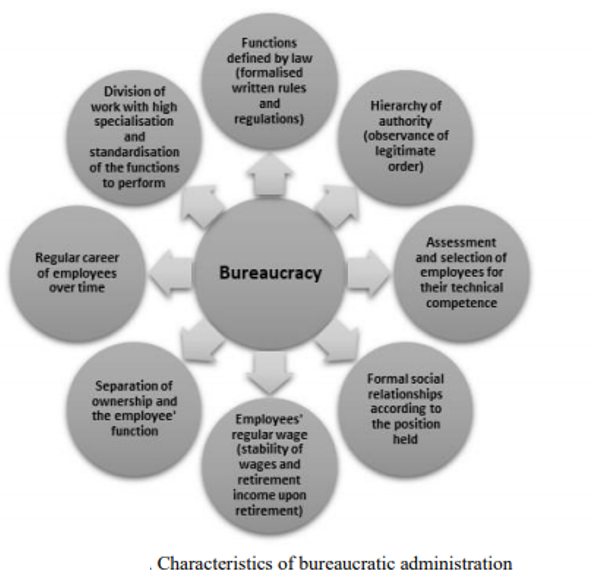
Bureaucracies love paperwork. Application forms, transcripts, certifications, references… the more, the merrier! This isn't necessarily malicious; it's often about creating a standardized, transparent process. But the sheer volume of paperwork can be overwhelming, and honestly, a bit absurd. Did you dot that "i" on page 7, subsection C, paragraph 2 of the application? Hope so!
Pro-tip: Keep digital copies of EVERYTHING. Trust me on this one.
Hierarchy and Seniority: Waiting Your Turn
Often, promotions and desirable positions within a bureaucracy are based on seniority, or time served. This isn't always a bad thing. It rewards loyalty and experience within the organization. However, it can also mean that less experienced, but perhaps more innovative or skilled, individuals get passed over for someone who’s just been around longer. Think of it as a very slow-moving game of musical chairs.
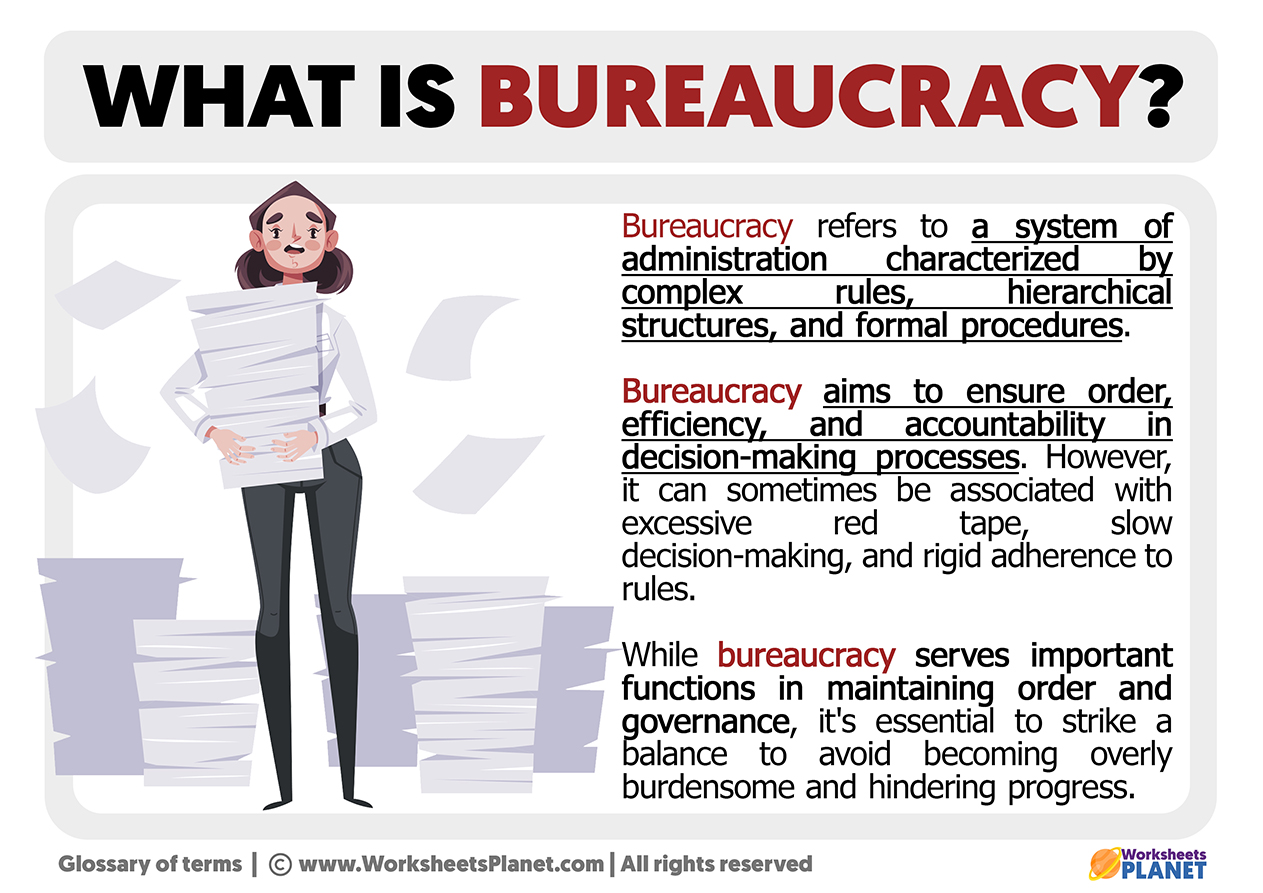
It’s a system designed to promote from within which can create a bit of an echo chamber. New ideas, anyone?
Connections (aka Who You Know): It Still Matters
Let's be honest, even in the most supposedly meritocratic systems, connections matter. Knowing someone within the organization can definitely give you a leg up. This isn't always blatant nepotism, but having someone who can vouch for you, explain the nuances of the organization's culture, or simply get your application noticed can make a huge difference. It’s all about networking, baby!

But hey, don't despair if you don't have connections! Networking is a skill you can learn. Attend industry events, join professional organizations, and make sure your LinkedIn profile is sparkling.
Emphasis on Process, Not Just Results
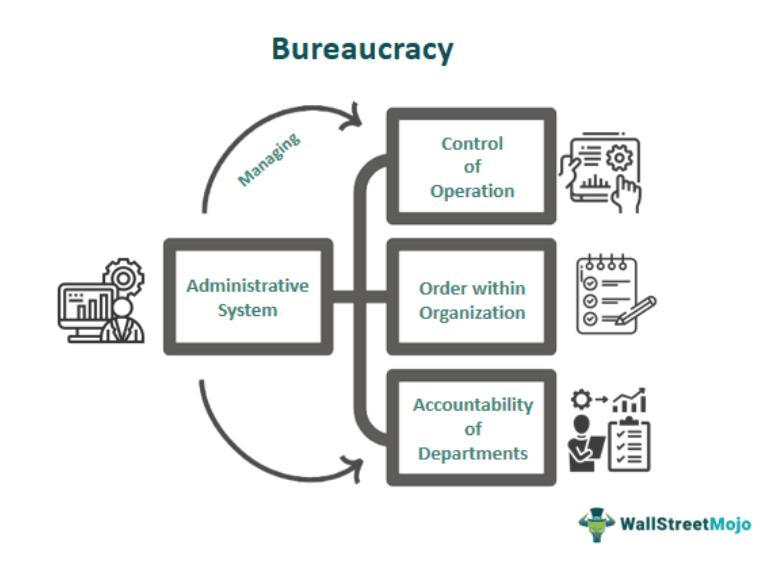
In many bureaucracies, how you do something is often just as important as what you do. Adhering to established procedures and protocols is paramount. This is intended to ensure fairness, consistency, and accountability. But it can also stifle creativity and efficiency.
Think of it as painting by numbers versus creating an original masterpiece. Both produce an image, but one is clearly more… restrictive.
The Exam Factor: Standardized Tests and Assessments
Many bureaucratic jobs require passing standardized tests or assessments. These tests are designed to evaluate your skills, knowledge, and aptitude for the position. While these tests can be a useful tool for weeding out unqualified candidates, they can also be narrow and fail to capture the full range of skills and experiences that a candidate brings to the table. Remember Sarah and the spreadsheet program?
Preparation is key! Find practice tests and familiarize yourself with the format and types of questions.
So, what’s the takeaway? Employment in a bureaucracy is typically based on a complex interplay of factors, including adherence to job descriptions, the volume of paperwork, seniority, connections, emphasis on process, and performance on standardized tests. While merit and qualifications are important, they aren't always the sole determinants. Navigating this system requires a strategic approach, a keen understanding of the rules, and a healthy dose of patience. And maybe a really, really good understanding of spreadsheet programs from the late 90s… just in case!