If A Septic Tank Is Full What Happens

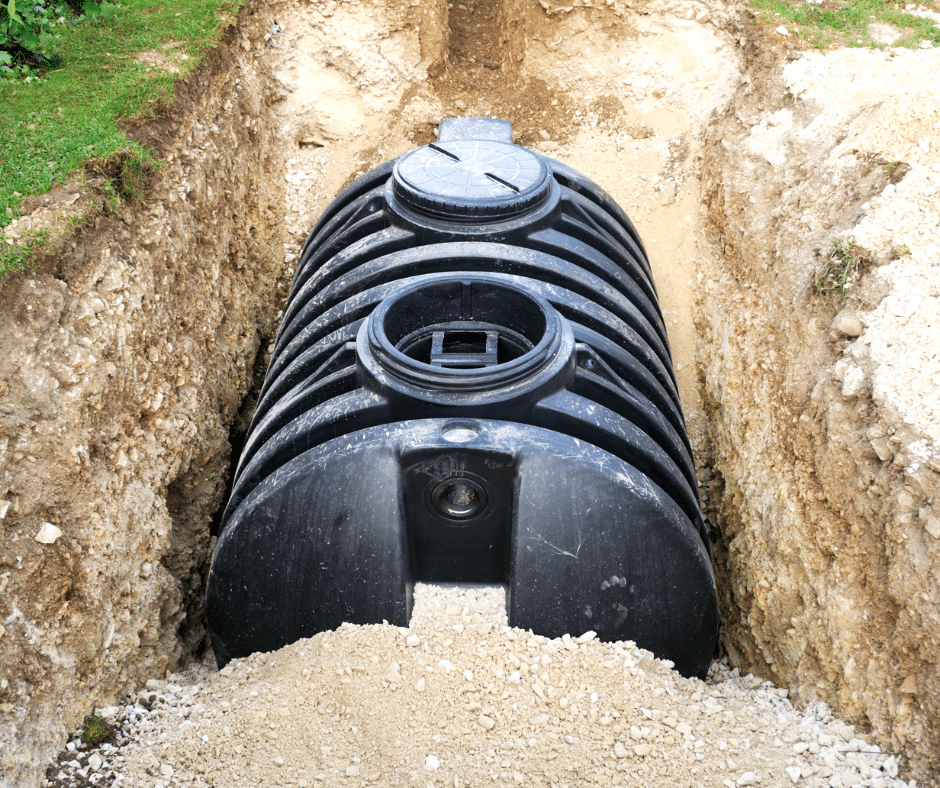
Ever wonder what’s quietly happening beneath your beautiful lawn, keeping things flowing smoothly inside your home? We're talking about your septic tank, the unsung hero of many rural and suburban households. Now, thinking about a septic tank getting full might not sound like a picnic, but understanding this often-overlooked aspect of homeownership is actually incredibly useful and can save you a whole heap of headaches – and potentially, a whole lot of money! It's about being a savvy homeowner, truly understanding the heartbeat of your plumbing system.
For beginners, especially new homeowners who've just moved to a property with a septic system, getting a handle on what happens when a tank fills up is absolutely crucial. It demystifies a core part of your home's infrastructure and helps you avoid costly mistakes. For families, it's about maintaining a healthy, functional, and stress-free living environment. Imagine not being able to flush the toilet or take a shower – a full tank can lead to just that kind of disruption! Even for the hobbyists and DIY enthusiasts out there, while you won’t be tackling septic repairs yourself, knowing the signs and preventive measures means you’re on top of your home maintenance game, ready to spot an issue before it becomes a major crisis.
So, what exactly happens when that underground chamber reaches its limit? It’s not a pretty picture, but understanding it helps with prevention. One of the first signs is often slow drains and gurgling noises coming from your toilets, especially after flushing. It’s like your house is trying to tell you something! You might also notice an unpleasant odor, either inside your home (particularly near drains) or outside, lingering over your septic drain field. That smell is a strong indicator that something is amiss. Even more alarming, you might spot wet, soggy patches of grass in your yard, usually over the drain field area, even when it hasn’t rained. This could mean wastewater is backing up and surfacing. The absolute worst-case scenario, the one everyone dreads, is sewage backup into your home – through toilets, bathtubs, or sinks. Trust us, no one wants that party trick.
Must Read
Thankfully, preventing these scenarios is straightforward. The most important tip is to regularly pump your tank, typically every 3-5 years, depending on your household size and water usage. Think of it like an oil change for your car – essential maintenance. Be mindful of what goes down your drains; avoid flushing non-biodegradable items, excessive grease, or harsh chemicals. Conserving water can also help extend the life of your system. Get familiar with the location of your septic tank and drain field, and never drive heavy vehicles over the drain field, as this can damage the pipes. If you start noticing any of those tell-tale signs, don't delay – call a professional septic service for an inspection. Early detection is always key!
Understanding your septic system, and what happens when it's full, might not be the most glamorous knowledge, but it’s definitely one of the most valuable. It gives you peace of mind, protects your home, and ultimately saves you money and stress. So, go forth, armed with this knowledge, and keep your home's hidden infrastructure flowing beautifully!