
I Want A Barbie Not A Fat Barbie

Okay, so let's talk Barbie. We all know her, right? The ultimate fashion icon, the embodiment of… well, something. For years, she's been a staple in toy boxes, sparking imaginations and maybe, just maybe, setting some unrealistic expectations. But lately, there's been this whole conversation swirling around: what kind of Barbie do we really want?
And honestly? I'm not talking about the mermaid Barbie versus the astronaut Barbie (though, let’s be real, astronaut Barbie is pretty darn cool). I'm talking about body image, representation, and the message we're sending to kids – especially young girls.
The Original and the Evolution
Let’s face it, the OG Barbie was… aspirational. Aspirational in the way that winning the lottery is aspirational. Her proportions were, shall we say, mathematically improbable. But hey, she had the Dreamhouse, the Corvette, and Ken (who, let’s be honest, never looked entirely thrilled). What wasn't to love (or envy)?
Must Read
But times have changed. We’re (mostly) past the point where unrealistic body standards are held up as the be-all and end-all. We're talking about body positivity, inclusivity, and showing kids that beauty comes in all shapes, sizes, and skin tones. And Barbie, bless her plastic heart, has been trying to keep up.
The "Fat" Barbie Debate (Air Quotes Intended)
Now, here’s where things get a little… sticky. You see, Barbie's evolution has included attempts at representing more realistic body types. They introduced “curvy” Barbie, “tall” Barbie, and “petite” Barbie. Good intentions, right? Absolutely! But the execution? That's where opinions start to diverge.
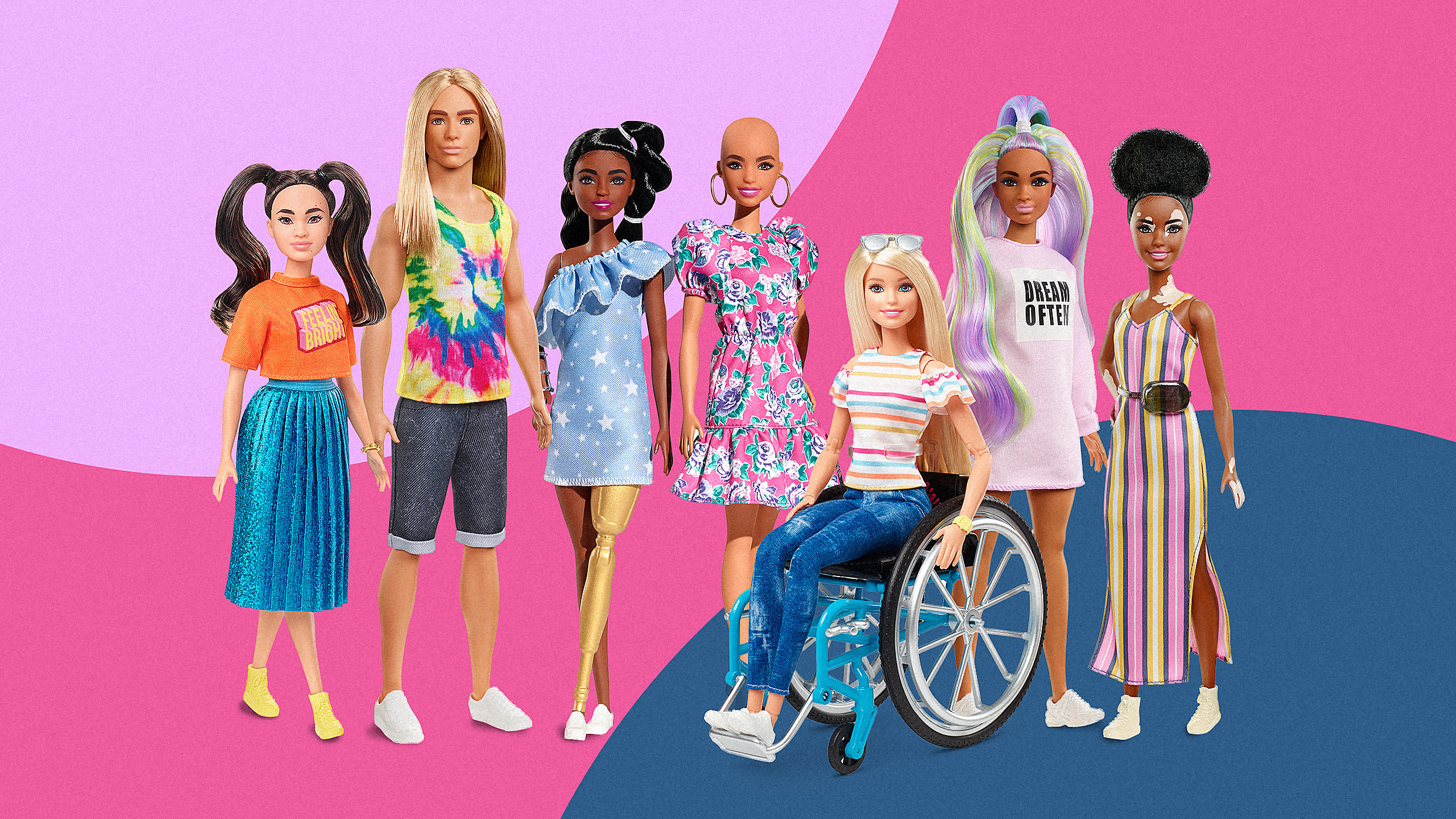
Some people cheered. Finally, a Barbie that looked a little more like them, or like someone they knew! A positive step towards normalising different body shapes. Hooray for progress!
But others? Well, they weren’t so thrilled. They argued that labelling a Barbie as "curvy" (a term often used as a euphemism for "fat") was still perpetuating a negative idea. Like, are we really still defining women by their size? Isn't that what we're trying to avoid? And, frankly, some people found the execution a bit… clunky. (Let's just say the early "curvy" models didn't exactly win any design awards.)

The problem, I think, wasn’t necessarily the idea of a Barbie with a fuller figure. It was the execution and the context. Labelling her "curvy" felt like othering, like pointing out that she was different from the "normal" Barbie. And let's be real, for a lot of people, that "curvy" Barbie still wasn't representative of actual plus-size women. (It was more like… slightly less impossibly thin Barbie.)
What Do We Really Want?
So, what’s the answer? Do we want a "fat" Barbie? Well, no. Not in the way that “fat” is often used as a pejorative. What we want is representation. We want Barbies of all shapes, sizes, skin tones, abilities, and backgrounds. We want Barbies that reflect the amazing diversity of the world we live in.
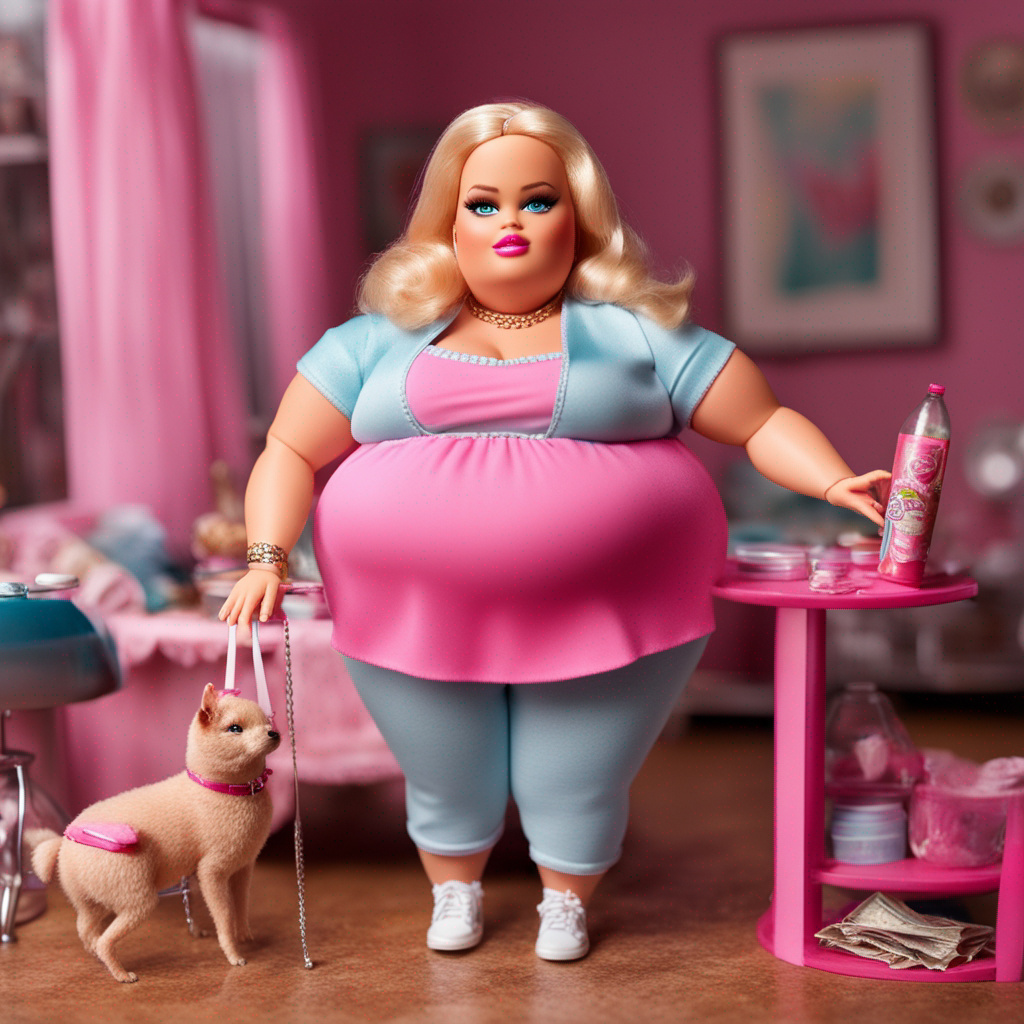
And more than that, we want those Barbies to just be. No labels needed. No explanations. Just Barbies existing, being awesome, and inspiring kids to be whatever they want to be, regardless of their size or shape.
Think about it: instead of "Curvy Barbie Goes to the Prom," we just have "Barbie Goes to the Prom." She's there, she's having fun, and her dress fits her perfectly because it was designed for her body. The end. No big deal. That's the dream, right?

Ultimately, I think what we're aiming for is a world where the question of "fat" Barbie is irrelevant. Where kids grow up seeing a wide range of body types represented in the media they consume, including their toys, and it's just… normal. Where the focus is on character, intelligence, and kindness, not on waist size.
So, no, I don't want a "fat" Barbie. I want a Barbie that helps redefine what "normal" even means. I want a Barbie that inspires kids to love themselves, exactly as they are. And maybe, just maybe, I want a Barbie that finally tells Ken to pull his weight around the Dreamhouse. (Just kidding… mostly!)
Let's keep pushing for better representation, better inclusivity, and a world where everyone feels seen and valued. And let's remember that the real magic of Barbie isn't in her plastic body, but in the imagination she sparks.